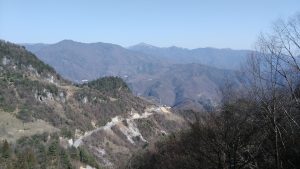
The minibus engine groaned as we hit the first hairpin, the tires biting into asphalt polished smooth by decades of trucks. Outside the window, the Panjiang River twisted far below, a brown ribbon cutting through layers of limestone. I gripped the seat frame when the driver swung hard left, the horn blasting a warning to nothing but mist. Twenty-four times the road folded back on itself, each bend numbered on a faded blue sign. By the time we crested Hama Pass, my stomach had settled into the rhythm, and the view opened onto ridges marching toward the Yunnan border.
Getting There
Most travelers enter Qinglong via the G60 Shanghai–Kunming Expressway, which slices through the county seat on elevated viaducts. If you are driving from Guiyang, count on roughly four hours behind the wheel, longer if fog clings to the passes. The G320 National Highway runs parallel to the expressway but drops into the valleys, offering a slower, more scenetic ride through villages where chickens peck at the roadside. Long-distance coaches depart from Guiyang’s Jinyang Bus Station and from Xingyi in the prefecture; schedules shift with the season, so ask at the ticket window the morning you plan to leave rather than relying on an app. There is no high-speed rail stop in the county itself — the nearest station is in Xingyi, about an hour’s drive north.
Moving Around the Mountains
The county seat sits in a basin, flat enough to walk from the bus station to a noodle shop in ten minutes. Taxis cluster near the main square; a ride across town costs pocket change. Once you point the nose of the car toward the 24 Zigzags or Feishuiyan, the pavement narrows and the shoulders disappear. A private driver who knows the pull-outs is worth the extra yuan — he will know which blind corners need a long horn blast and where the rockfall nets have sagged. Motorbike taxis wait at the scenic-area parking lots for the last steep stretch to the viewpoints, but negotiate the fare before you straddle the seat. Public minibuses link the seat to townships like Longchang and Pingzhai, yet they leave when full, not on a timetable.
The 24 Zigzags and What Surrounds Them
The switchbacks themselves are the headline. Built in the 1930s to move supplies toward the Burma Road, the road climbs 400 meters in a few kilometers. Each bend is numbered; locals still call them by the old military designations. Pull over at the widened shoulder near Bend 12 — there is a stone marker and a view straight down the throat of the valley. From the top at Hama Pass, a footpath leads to the Panjiang Bridge, a modern arch that leaps the river in a single span. Walk the bridge at midday when the sun hits the water; the gorge walls glow ochre and the wind carries the scent of pine resin. Feishuiyan, “Flying Water Rock,” sits a short drive west — a cliff face where a seasonal waterfall fans into mist. In the dry months the rock face shows streaks of black lichen; after heavy rain the roar reaches the parking lot.
Where to Sleep and Eat
The county seat has a cluster of business hotels near the expressway exit — clean rooms, hot water, and Wi-Fi that holds a video call. For something quieter, look for a family-run guesthouse in the older lanes behind the market; the host will likely serve a bowl of sour fish soup for breakfast, the broth sharp with fermented chili and wild tomato. In the villages along the Zigzags, a few farmhouses rent rooms with shared bathrooms. Bring your own towel and a flashlight; the generator sometimes cuts out at midnight. Dinner in these hills revolves around pork, cured sausage, and bitter greens stir-fried with garlic. Ask for “la rou chao suan cai” — smoked pork with pickled mustard — and a pot of corn liquor if the night is cold.
Seasonal Rhythm and Festival Calendar
Spring arrives early in the valleys; by the third lunar month the rapeseed fields bloom yellow beneath the limestone towers. This is also when the Buyei communities celebrate the “Third Day of the Third Month” — singing contests in the village squares, sticky rice dyed purple with maple leaves, and bronze drums carried on shoulder poles. Summer brings the monsoon; the Zigzags can vanish inside a cloud bank for hours, and landslides occasionally close the road for a day. Autumn, the ninth and tenth lunar months, is the sweet spot — clear skies, cool nights, and the persimmon trees heavy with fruit. Winter is quiet; temperatures hover above freezing but the wind off the plateau cuts through a down jacket. If you time a visit for the Buyei “New Rice Festival” in the tenth month, you will see families pounding fresh grain in wooden mortars before dawn.
What Newcomers Get Wrong
First, they trust the map estimate. The expressway looks short, but the mountain detours add hours. Build in a buffer. Second, they pack light shoes. The viewpoints involve wet stone steps, loose gravel, and moss that turns to ice in shadow. Third, they assume every restaurant has an English menu. Point at the picture on the wall or watch what the table next to you orders. Fourth, they try to “do” the Zigzags, the bridge, and Feishuiyan in a half-day. The road demands respect — stop often, breathe, let the trucks pass. Finally, they forget cash. Mobile pay works in the county seat, but the mountain stalls and guesthouses often only take red notes. Carry small denominations; breaking a hundred for a five-yuan bottle of water earns a frown.