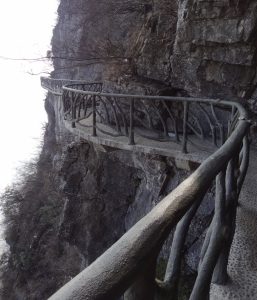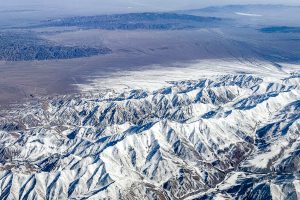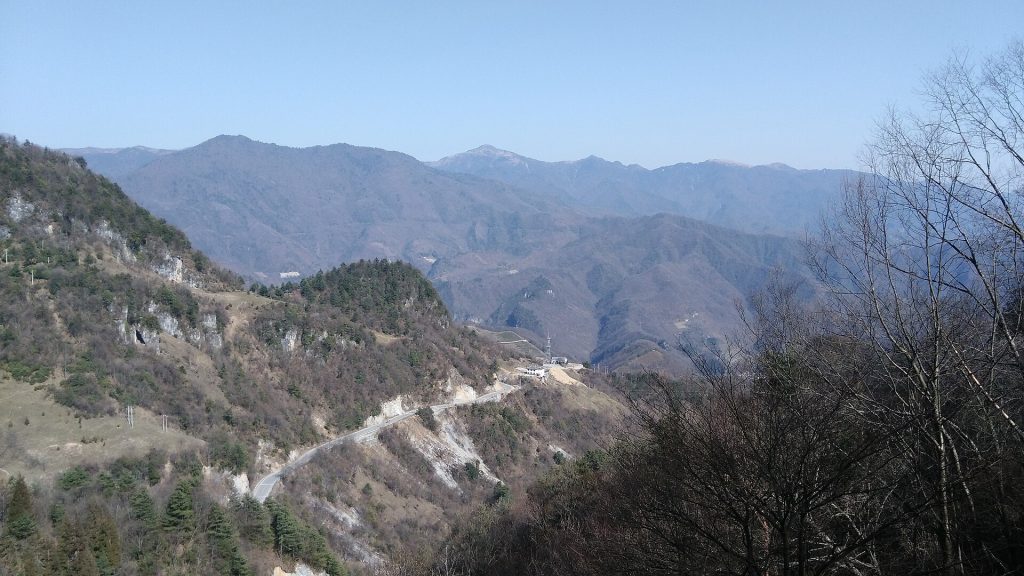
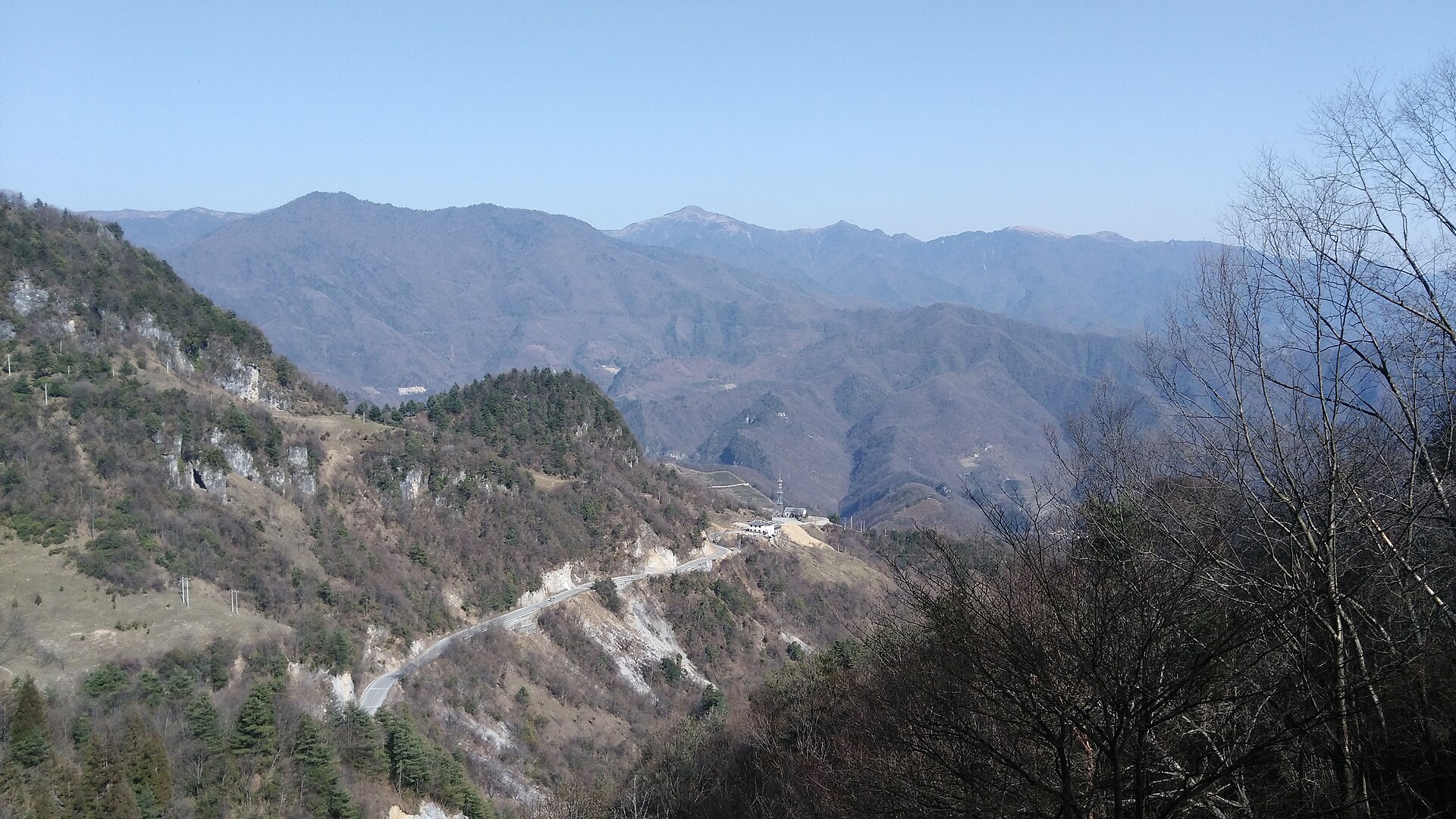
The minibus shuddered around a hairpin bend, tires biting loose gravel as the valley dropped away into a wall of mist. Through the window, a golden snub-nosed monkey sat motionless on a dead fir branch, its face the color of a bruised plum, utterly unbothered by the engine’s cough. The driver didn’t slow down. “They know the schedule better than we do,” he said, lighting a cigarette with one hand on the wheel. That stretch of road between Muyu and Hongping — where the canopy closes overhead and the air turns cold enough to see your breath in July — is the only part of Shennongjia that feels like a secret the mountains agreed to keep.
Getting There Without Losing a Day
There is no airport inside the district. The closest runway sits in Wanzhou, Chongqing, about three hours by road when the weather holds. Most travelers fly into Wuhan, then catch the high-speed train to Shiyan East — four and a half hours — before transferring to a long-distance bus that climbs the switchbacks into Songbai Town, the administrative center. The bus ride from Shiyan takes another three hours if the fog doesn’t close the mountain passes. In winter, ice on the G209 can add an hour or force an overnight stay in a county-level hotel halfway up. Renting a car in Shiyan gives flexibility, but the mountain roads punish hesitation; drivers who brake late on blind corners end up in the ditch. A local driver who knows which pullouts have phone signal is worth the extra two hundred yuan a day.
Moving Around the District
Public buses connect the main towns — Songbai, Yangri, Muyu, Hongping — but they run on a rhythm tied to school dismissals and market days, not tourist itineraries. The 8:00 AM departure from Songbai to Muyu might not return until 4:00 PM. Taxis cluster near the bus stations in each town; a ride from Muyu to the Shennongding trailhead costs roughly eighty yuan one way, negotiable if you book the return trip upfront. For the core scenic areas — Shennongding, Dajiuhu, Guanmenshan — the district operates green electric shuttles that require a separate ticket purchased at the visitor center. Those shuttles stop running at 5:00 PM sharp. Miss the last one and you’re walking twenty kilometers on a road with no shoulder and logging trucks that don’t slow down. Many hikers hire a private minivan for the full day; the driver waits at the trailhead, cooks instant noodles on a portable burner, and knows which ranger station has a working toilet.
Trails That Don’t Show Up on the Brochure Map
The official map highlights Shennongding, the highest peak at 3,105 meters, with a boardwalk staircase that feels like a StairMaster in a theme park. Two kilometers before the summit turnoff, an unmarked footpath branches left behind the ranger cabin. It follows an old patrol route along the ridge to a collapsed fire tower. The trail is steep, root-tangled, and unmaintained — bring gloves for the rope sections — but the views open onto the Dajiuhu wetland basin without the tour groups. In late spring, rhododendron thickets bloom so thick they block the path; you push through petals up to your thighs. Another quiet option: the valley floor trail from Hongping to the Golden Monkey Research Station. It stays below 1,800 meters, follows a clear stream, and passes through stands of dove tree where the white bracts flutter like handkerchiefs in May. Rangers at the station sometimes allow visitors to observe the feeding platform from a blind if you arrive before 7:00 AM and stay silent.
Wildlife Spotting: Patience Over Luck
Golden snub-nosed monkeys are the headline act, but they move in troupes of thirty to fifty across a home range of twenty square kilometers. The research station near Hongping supplements their diet with lichen and apples at fixed platforms during the lean months — roughly the tenth lunar month through the second. That is the only reliable window to see them at close range. Outside those months, you need a spotting scope and the willingness to sit on a damp rock for four hours. Takin, the shaggy goat-antelope, graze the alpine meadows above Dajiuhu at dawn; their silhouettes look like boulders until one lifts its head. Chinese giant salamanders hide in the cold, oxygen-rich streams below Guanmenshan. Locals say they surface on rainy nights during the sixth lunar month. Do not handle them — their skin secretes a toxin that numbs fingers for hours. Birders target the golden pheasant and Temminck’s tragopan in the bamboo understory near Muyu; the male tragopan’s inflatable blue throat sac appears only during the breeding displays in the third lunar month.
When to Go: The Calendar the Mountains Keep
Summer brings the tour buses, the humidity, and the leeches. The leeches wait on fern fronds at knee height; they drop onto your calves and you don’t feel the bite until the blood spots your socks. Autumn — the ninth and tenth lunar months — clears the air, turns the maples the color of oxidized iron, and drives the monkeys to lower elevations where the chestnuts drop. This is the sweet spot. Winter buries the high passes under snow that doesn’t melt until the third lunar month; Shennongding becomes a mountaineering objective requiring crampons and a permit from the forestry bureau. Spring, especially the fourth lunar month, triggers the rhododendron bloom and the dove tree display, but also brings the heaviest fog. The district closes the core zones for two weeks during the peak fire risk in the dry season; dates shift each year, so call the visitor center in Songbai before committing to a route.
What Newcomers Get Wrong
They pack light rain jackets. The mist here soaks through Gore-Tex in twenty minutes; you need a poncho that covers your pack and a dry bag for electronics. They assume phone signal means data. Signal exists in town centers and a few ridgelines, but the moment you drop into a valley, the map loads a gray tile. Download offline tiles the night before. They think “forestry district” means camping anywhere. Camping is prohibited in the core protected zones; rangers wake violators at 2:00 AM with flashlights and fines. Designated campsites exist only at Dajiuhu and near the Hongping visitor center, and they require advance registration. They bring city snacks. The monkeys have learned to unzip backpacks left unattended on the Shennongding boardwalk; a troop can strip a daypack of trail mix, fruit, and medication in ninety seconds. Hang food from a branch at least four meters up, or use the metal lockers at the ranger stations. And they underestimate the altitude. Songbai sits at 1,700 meters; Shennongding pushes past 3,100. Headaches hit the second day. Spend the first night in Muyu or Hongping, drink the local corn liquor the old men swear by for acclimatization, and walk slow.