The minibus shuddered to a halt on a dusty shoulder of the G60 expressway, doors folding open onto a blast of dry, pine-scented air. Ahead, the red sandstone cliffs of the Colorful Sand Forest rose like melted candles against a sky the color of washed denim. No tour groups, no souvenir stalls, just a handful of local hikers adjusting their packs. This is Qujing: practical, unpolished, and quietly spectacular if you know where to look.
Getting There Without the Hassle
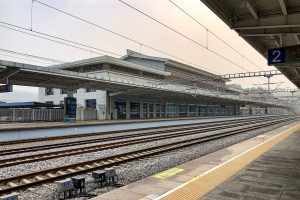
Most foreigners arrive via Kunming. The high-speed rail line connects Kunming South to Qujing North in roughly forty minutes. Trains run every half hour from early morning until late evening. Buy tickets on the 12306 app using a passport; the machine at the station prints the pink paper slip in seconds. Qujing North Station sits in Zhanyi District, a solid thirty-minute ride from the urban core. Didi works reliably here—select “Premier” for a newer car and a driver who knows the ring roads. If you prefer the older station, the conventional Qujing Station on Jianning West Road puts you right downtown, but the trip takes ninety minutes and the seats are harder.
Long-distance buses still matter. The South Bus Station near the old train station runs sleeper coaches to Dali, Lijiang, and the smaller counties of eastern Yunnan. Buses leave when full, not on a fixed timetable. Arrive before noon for the best chance at a seat. For the Luoping rapeseed fields in spring, special tourist shuttles depart from the square outside the municipal government building; ask your hotel front desk to write the Chinese characters for the driver.
Where to Sleep: Business Hotels and Mountain Guesthouses
Qujing’s hotel stock skews toward domestic business travelers. Chains like Jinjiang Inn, Atour, and Hanting cluster around the old station and the government district. Rooms are clean, beds are firm, and breakfast usually includes rice noodles, pickled mustard greens, and strong Yunnan coffee. Book on Ctrip or Meituan; foreign cards sometimes fail at check-in, so keep enough cash for a deposit.
For the Colorful Sand Forest or Jiulong Waterfall, stay in Luoping County instead. Family-run guesthouses line the road to the waterfall cluster. Expect a tiled bathroom, a shared courtyard with drying chilies, and a host who wakes before dawn to steam buns. Negotiate the rate in person—WeChat transfer works best. No English signage, so save a screenshot of the address in Chinese.
Two Days on the Ground
Day One — Sand and Stone. Hire a driver for the full day (negotiate 300–400 yuan). Start at the Colorful Sand Forest in Luliang County, forty minutes east. The park opens at eight. Walk the loop trail counterclockwise; the light hits the red-and-white strata best before ten. Bring a wide-brim hat—the reflection off the sand is fierce. Lunch at a roadside stall: cold rice noodles tossed with chili oil, crushed peanuts, and cilantro. Afternoon drive to the Jiulong Waterfalls in Luoping. The nine-tier cascade spreads across a broad limestone shelf. A plank path leads behind the third fall; water vapor soaks your shirt in seconds. Stay for the golden hour when the sun angles through the mist.
Day Two — Town Texture. Morning train back to Qujing city. Walk the old lanes behind the Drum Tower. Vendors sell steamed buns stuffed with ham and fermented bean curd from bamboo steamers. Duck into a hole-in-the-wall for a bowl of guoqiao mixian—crossing-the-bridge noodles—where the broth arrives boiling in a stone pot. Afternoon: rent a shared e-bike (scan the QR code on the handlebar) and ride the Qilin Park loop. Locals practice tai chi, fly kites, and argue over chess. End at a rooftop bar on Wenhua Road for a glass of chilled Pearl River beer and a view of the illuminated government towers.
Eating: What Lands on the Table
Qujing cuisine leans salty, sour, and spicy. Ham from Xuanwei cures for months in mountain air; slices turn translucent in a hot wok. Wild mushrooms appear in the wet season—chanterelles, porcini, and the prized matsutake. Order them simply stir-fried with garlic and green chili. The local rice noodle is thicker than Kunming’s, cut by hand, and holds sauce like a ribbon.
- Xuanwei Ham Fried Rice — day-old rice, diced ham, egg, scallion, wok-heat breath.
- Steam-Pot Chicken — free-range bird, ginger, goji berries, steamed in a covered clay pot over charcoal; broth stays clear and sweet.
- Spicy Flower Pepper Fish — whole river carp, dried chilies, Sichuan peppercorns, pickled cabbage, simmered until bones soften.
- Cold Rice Noodles — thick strands, chili oil, vinegar, soy, crushed garlic, peanuts, cilantro, julienned cucumber.
At a restaurant, point to the picture menu or show the characters above. Ask for bu yao wei jing (no MSG) if you’re sensitive. Portions are family-style; two dishes and a soup feed three people. Tipping is not expected.
What Locals Expect (And What Trips You Up)
Mandarin works everywhere, but the local dialect swallows tones. Learn two phrases: duo shao qian (how much) and bu yao la (not spicy). Drivers rarely speak English; have destinations written in Chinese. Public toilets are squat-style—carry tissue and hand sanitizer. Cash is still king in markets and small eateries; WeChat Pay and Alipay work if you’ve linked a Chinese bank card, but foreign-linked wallets often hit limits.
The biggest mistake? Treating Qujing as a day trip from Kunming. The distances between attractions eat hours. Stay overnight in Luoping or Luliang. Another error: showing up at the rapeseed fields in summer. The yellow carpet blooms in the second lunar month (usually February or March). By the Dragon Boat Festival the fields are green stubble. Check the lunar calendar before you book.
Finally, respect the rhythm. Shops close for a long lunch between noon and two. The city quiets down after ten. If you need a late snack, the night market near the old train station grills skewers until midnight—lamb, tofu, lotus root, all brushed with cumin and chili. Eat standing, wipe your fingers on a napkin, and watch the city exhale.