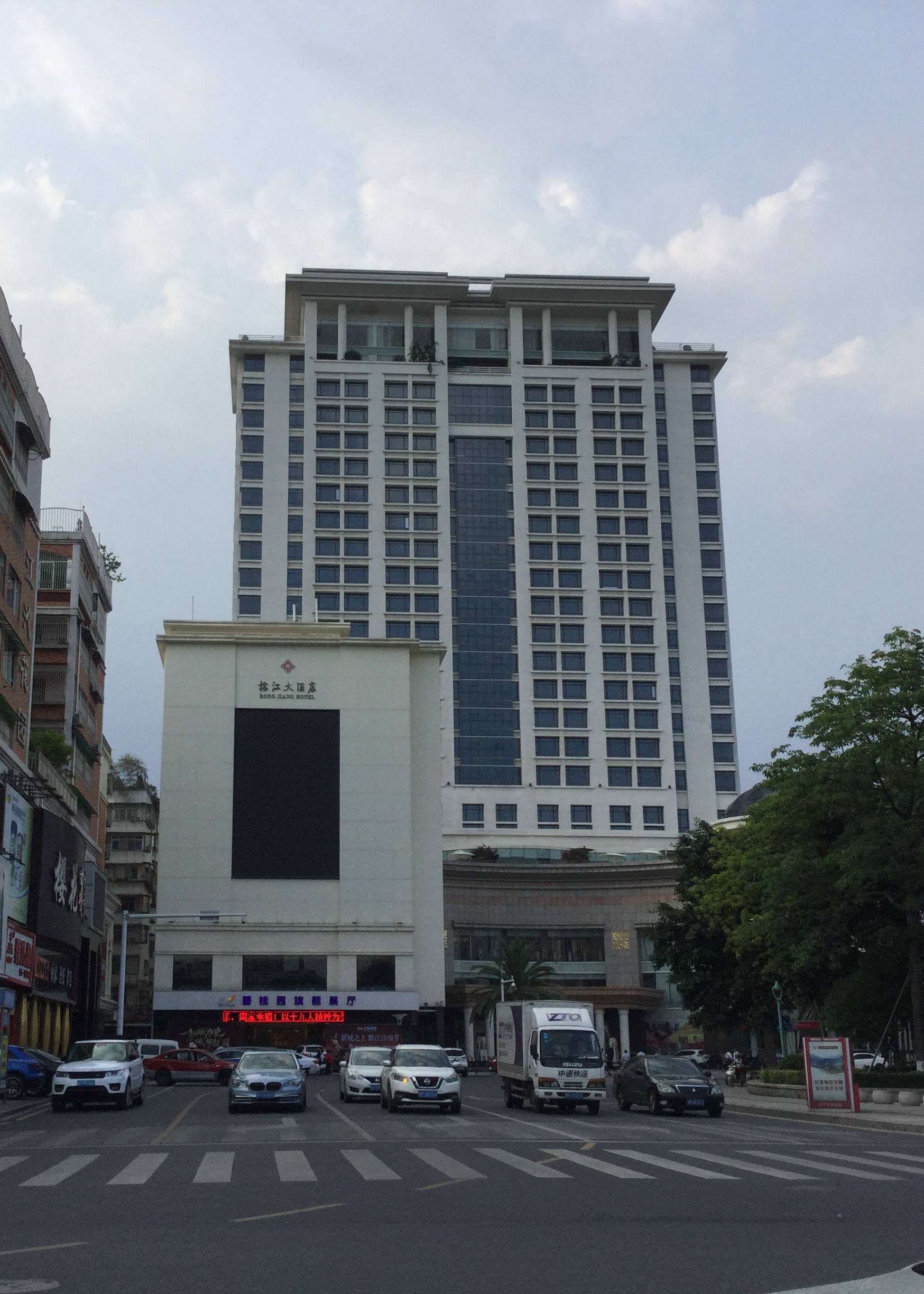
The minibus from Kaili shudders to a halt beside a row of steaming noodle stalls, the diesel fumes mixing with the scent of pickled cabbage and wood smoke. A vendor in a blue apron waves a pair of chopsticks at the open door, shouting something in a dialect that isn’t quite Mandarin and isn’t quite Dong. Luggage gets hauled onto the curb—bamboo baskets, nylon sacks, a cardboard box clucking with live chickens. This is the Rongjiang bus station: not a destination you linger over in guidebooks, but the crossroads where the paved road frays into the mountain tracks leading to Zhaoxing, Xiaohuang, and a hundred villages without English signage.
Getting There: The Road In
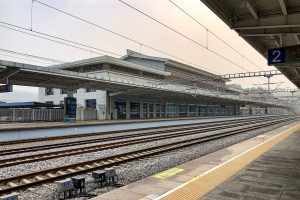
Most travelers arrive on the G321 national highway, the main artery stitching Kaili to the southern fringe of the prefecture. Buses leave Kaili’s main station every forty minutes or so; the ride takes about three hours if the driver doesn’t stop for a blown tire or a herd of goats. From Congjiang to the south, it’s ninety minutes on a narrower cut of asphalt that hugs the Duliu River. There is no train station in the city proper—the high-speed line stops at Congjiang—so the bus remains the default vein. If you are coming from Guilin or Liuzhou, the overnight sleeper drops you at the same dusty lot before dawn, when the air is cold enough to see your breath.
- Kaili → Rongjiang: 3 hrs, frequent departures 07:00–18:00.
- Congjiang → Rongjiang: 1.5 hrs, last bus usually leaves Congjiang around 17:30.
- Sanjiang (Guangxi) → Rongjiang: 4 hrs, one morning and one afternoon run.
- Tickets bought on the spot; cash only, small denominations preferred.
Moving Around: Feet, Three‑Wheels, and Chartered Vans
The city center fits inside a twenty‑minute walk. The bus station, the one foreigner‑licensed hotel, and the main market form a loose triangle along Renmin Road. For anything beyond—say, the drum‑tower villages an hour out—you hire a driver. A green‑painted three‑wheeled sanlunche will ferry you to the edge of town for ten yuan; bargain hard if the meter is “broken.” For day trips to Zhaoxing or Tang’an, negotiate a private van the night before. Expect 300–400 yuan round‑trip for a seven‑seater, driver included, with the understanding that he waits while you hike the rice terraces. Ride‑hailing apps work sporadically; a WeChat contact for a reliable local driver saves hours of curb‑side haggling.
What to See: Drum Towers, Wind‑Rain Bridges, and Market Mornings
Rongjiang itself has no blockbuster sights. The charm sits in the villages radiating outward. Zhaoxing, the largest Dong village in the prefecture, spreads across a valley floor with five drum towers—one for each clan. Arrive at first light, before the tour buses from Congjiang unload, and you’ll hear the morning chorus of the lusheng reed pipes echoing off the tiled roofs. Xiaohuang, twenty minutes farther, is quieter; its claim is the “Grand Song” choir that rehearses in the covered bridge after supper. If your timing hits a market day—every sixth day on the lunar calendar—the township of Basha turns into a river of indigo cloth, silver ornaments, and live fish flopping in blue tubs. The Miao men there still carry flintlock muskets as ceremonial props; they’ll pose for a photo if you ask politely and slip them a cigarette.
- Zhaoxing: five drum towers, wind‑rain bridge, guesthouses with heated blankets in winter.
- Xiaohuang: Grand Song performances most evenings around 20:00, no ticket, just sit on the bridge steps.
- Basha Miao Village: market every lunar sixth day (liu), musket salute at noon.
- Tang’an: steep stone‑flag path, rice terraces best photographed in the flooded season (late spring).
What to Do: Walk, Listen, Eat Fire‑Pit Fish
Entertainment in the city limits to a handful of karaoke boxes and a riverside square where retirees dance to tinny pop after dark. The real agenda is slow travel. Hike the ridge trail from Zhaoxing to Tang’an—three hours of mossy stone steps, bamboo groves, and the occasional water buffalo. In the villages, accept an invitation to a fire‑pit dinner: a cast‑iron cauldron of river fish, sour bamboo shoots, chili, and wild herbs simmers over charcoal while the host pours rice wine from a ceramic jug. You’ll drink from a bull’s horn cup; refusing the first toast is considered rude. If you play an instrument, bring it—impromptu jam sessions with lusheng players happen more often than you’d expect.
- Zhaoxing–Tang’an ridge hike: 10 km, moderate, bring water and a rain shell.
- Fire‑pit dinner: ask your guesthouse host to arrange; cost ~80 yuan per head.
- Lusheng jam: evenings in the drum‑tower square, no schedule, just show up.
- Market foraging: follow the aunties buying wild fern shoots and smoked tofu.
Sleep: The One Hotel That Takes Passports
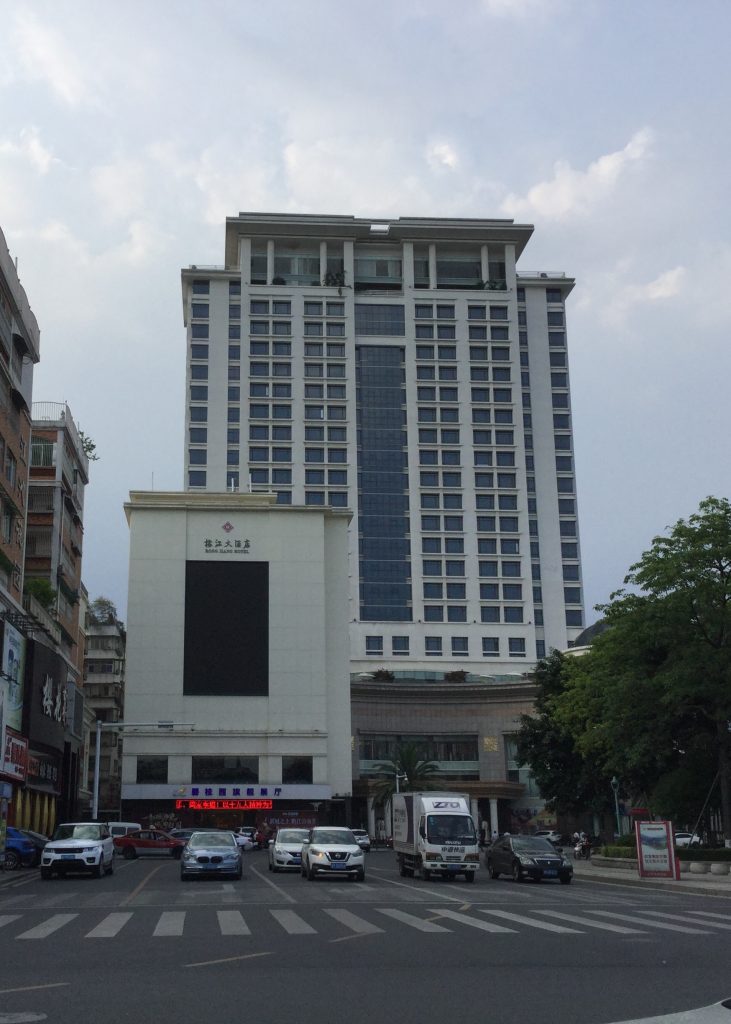
Registration rules are strict in this prefecture. Only one property in the city center holds the license to register foreign guests. It sits two blocks north of the bus station, a four‑story building with a faded blue awning and a lobby smelling of tea and disinfectant. The front desk keeps a binder of passport copies behind the counter; check‑in takes ten minutes while the clerk types your visa number into the police portal. Rooms are basic—firm mattress, hot water heater bolted to the wall, window facing the street. The rate hovers around 150 yuan for a double, cash or WeChat Pay. If you arrive late, the night guard will wave you to the side door and hand you a key on a red plastic fob. In the villages, family guesthouses handle registration for you; just hand over your passport at check‑in and collect it the next morning.
Eat & Drink: Sour Soup, Glutinous Rice, and Rice Wine That Bites
Breakfast is a bowl of rice noodles in broth soured with fermented tomato and wild pepper—slurp it standing at a stall where the broth has been simmering since midnight. Lunch in a village home means a wooden tray piled with steamed glutinous rice, pickled green beans, stir‑fried bitter melon, and a dish of minced pork with douchi (fermented black beans). The signature drink is jiuniang, a sweet, low‑alcohol rice wine served warm in small porcelain bowls; it tastes like liquid dessert until the third bowl hits your legs. For something stronger, the clear corn liquor (gaoliang) appears in recycled beer bottles—sip, don’t shoot, unless you want to join the snoring circle under the drum tower by nine.
- Sour fish soup (suan tang yu): river carp, fermented tomato, wild cilantro, chili oil.
- Glutinous rice cakes (ciba): pounded fresh at market, rolled in soybean flour and brown sugar.
- Jiuniang: warm, spooned from a clay pot, best after a long hike.
- Gaoliang: 50% ABV, pour a thimbleful, toast the host, repeat.
Practical Traps: What Trips Up Newcomers
First, the registration trap: showing up at any hotel without the foreign‑guest license wastes an hour while the receptionist calls the police station, only to send you walking back to the blue‑awning place. Second, cash. Village guesthouses and market stalls don’t take cards; the nearest ATM that accepts foreign cards is at the Agricultural Bank branch on Renmin Road, and it swallows cards during the lunch rush. Third, language. Mandarin works in the city, but in the villages you’ll hear Dong or Miao. A few phrases—“ngaox” (hello in Dong), “zaijian” (goodbye), “duo xie” (thank you)—earn smiles and better portions. Fourth, weather. The mountains trap mist; a sunny morning can turn to drizzle by noon. Pack a lightweight poncho, not an umbrella—wind on the ridges turns umbrellas inside out. Finally, the market calendar. If you plan a day trip around Basha’s market, confirm the lunar date with your driver; the cycle shifts each month, and showing up on a non‑market day means a quiet village with locked silver shops.
Go Next: South to the Border, North to the Rail
When the drum towers fade in the rearview, the bus station offers two clear vectors. Southbound: Congjiang high‑speed rail station, forty minutes away, connects to Guilin (2.5 hrs) and Guangzhou (4 hrs). The last bus to Congjiang leaves Rongjiang around 17:30; miss it and you’re negotiating a private car for double the fare. Northbound: Kaili, three hours, where the train line fans out to Guiyang, Changsha, and beyond. If your visa days are tight, the overnight sleeper from Rongjiang to Guangzhou departs the main station at 19:00—book the lower berth at the ticket window the day before. Either way, buy a bag of vacuum‑packed sour bamboo shoots from the stall by the exit; they travel well and taste like the mountains long after you’ve left.