Why Suzhou works as a Shanghai day trip
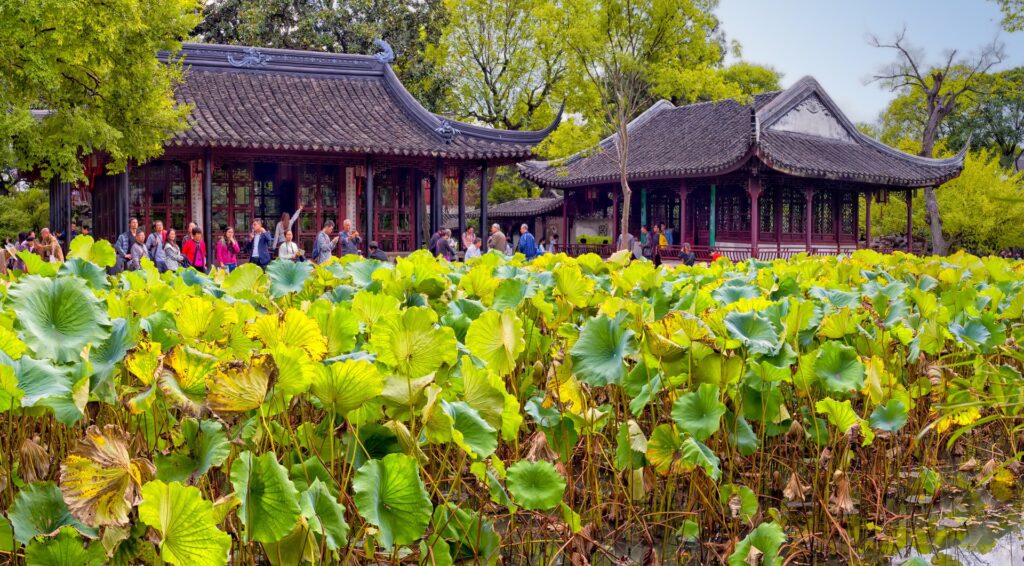
Suzhou sits close enough to Shanghai that a garden-focused day trip is realistic by high-speed rail, yet different enough that canal light and classical garden design reset your eyes after skyscrapers. Early autumn is kind to this plan: mornings cool after White Dew (Bailu begins Monday 7 September 2026), lotus and late greenery still hold in some ponds, and walking is pleasant if you avoid the densest holiday hours.
The catch is calendar math. Mid-Autumn Festival falls on Friday 25 September 2026 (mainland short holiday roughly 25–27 September). National Day Golden Week runs roughly 1–7 October 2026. Garden paths are narrow by design; they do not absorb tour groups the way a city boulevard does. For context on how those holidays reshape East China travel, see Golden Week 2026 vs Mid-Autumn.
Trains first — book like a local visitor
Use official booking channels for Shanghai–Suzhou high-speed services. Our guide to booking mainland trains on 12306 walks through passport registration, seat types, and station quirks.
Practical pattern for a day trip:
- Outbound early morning from a Shanghai station that fits your hotel (Hongqiao is common for many travellers; confirm your ticket’s station name carefully).
- Return late afternoon or early evening with buffer — missing the last comfortable train turns a day trip into an unplanned hotel night.
- Keep passport ready for ticket gates; names must match.
Travel time one way is typically in the short high-speed range rather than a half-day journey, but station transfers and security lines still eat minutes. Do not schedule a 09:00 garden entry if your train arrives at 08:50 across town.
If you already did Shanghai’s Bund days, this rail hop pairs well with a later Hangzhou trip — but not the same day. For Hangzhou’s lake logic, see West Lake in early autumn.
Which gardens to pick (not all of them)
Suzhou’s classical gardens are a UNESCO-listed set of sites with shared design language — borrowed scenery, courtyards, water, rockeries, corridors — and different scales. For a first day trip, choose one major garden deeply plus at most a second smaller one. Collecting four stamps in six hours is how people remember ticket lines instead of reflections.
Humble Administrator’s Garden (Zhuozheng Yuan)
Often the headline stop: large, watery, photogenic. It rewards slow walking and early entry. On busy days the famous vista points congest quickly. Go at opening if you can; move through popular corridors without stopping every three steps; then loop back when density shifts.
Ticket prices and timed-entry rules change — check the garden’s current official booking channel before you travel. Do not rely on a year-old price in a screenshot.
Lingering Garden (Liu Yuan)
Compact elegance, strong rockery and courtyard sequences. A good second garden if you still have focus after lunch, or a substitute headline if Humble Administrator’s tickets are sold out for your slot.
Master of the Nets Garden (Wangshi Yuan)
Smaller, intimate, night performances exist in some seasons under separate ticketing — verify live schedules rather than assuming an evening show. As a daytime visit it is manageable and atmospheric; as a rushed add-on after two larger gardens it becomes a blur.
How to choose in one sentence
Want the classic postcard water views? Start with Humble Administrator’s. Want slightly less sprawl? Lingering. Want a smaller jewel? Master of the Nets. Pair at most two.
A realistic day timeline
06:30–07:30 — Train from Shanghai; eat something portable.
Morning — Taxi or metro/bus from Suzhou station area to your first garden. Be at the gate for opening. Walk the garden for 1.5–3 hours depending on size and crowd. Sit when you find a quiet corridor.
Lunch — Near the garden district, not a pilgrimage across the city. Noodles or a simple set meal beat a hunt for a viral restaurant. Mobile pay helps; set up Alipay / WeChat Pay before you leave Shanghai.
Early afternoon — Optional second garden or a canal-edge walk / temple / museum slice. Pick one. Heat and humidity can linger in September even after Bailu; shade matters.
Late afternoon — Buffer to the rail station. Security, restrooms, water.
Evening — Back in Shanghai for dinner. Do not glue a Bund night shoot onto a full Suzhou garden day unless you have unnatural stamina.
Mid-Autumn and Golden Week adjustments
25–27 September 2026: Family travel peaks. Gardens and trains both tighten. If your only free day falls here, prebook rail and garden tickets as early as policies allow, arrive at opening, and accept that photos will include other people.
1–7 October 2026: Same advice, amplified. Consider shifting the day trip to a weekday before Mid-Autumn or between the two holiday blocks.
Quiet plan: A Tuesday or Wednesday in mid-September often beats any Saturday in October for garden atmospheres.
Getting around inside Suzhou
Ride-hail and taxis are straightforward with working data and payments. Buses and metro cover major garden zones with transfers — screenshot routes while online. Walking between Humble Administrator’s and some nearby sites is possible depending on heat and your feet; do not assume every famous garden is adjacent.
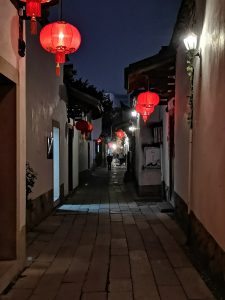
Pingjiang Road and similar historic streets are atmospheric and also commercial. Enjoy a stretch; leave when souvenir density exceeds curiosity.
What to bring
Passport, garden booking confirmations, hat, water, comfortable shoes with grip (stone can be slick), portable battery, and a light layer for air-conditioned trains. Tripods and drones are the wrong energy for crowded corridors — check site rules if you must.
Tickets and honesty about money
Admission is not free; combo tickets sometimes appear; student or age discounts follow local rules that may not match your home country’s cards. Because prices and free-open policies change, this article will not invent CNY figures. Open the official reservation page for each garden the week you go, read the visitor notice, and pay through the channel named there.
Same discipline for any evening garden performance: separate ticket, separate capacity, weather-dependent.
Suzhou vs “another Shanghai day”
Choose Suzhou when you want classical Chinese garden craft and a slower visual tempo. Stay in Shanghai when you still have neighbourhoods and museums undone. Neither city is a checklist item to clear before Golden Week — both are better when you give them hours with attention left over.
If rain arrives, gardens still work with an umbrella and lowered photo expectations; paths get slippery, so shorten the route. A museum or covered corridor day is a valid pivot.
Neighbourhood texture between gardens
If you have forty spare minutes after lunch and before a second site, use them on ordinary Suzhou fabric rather than another ticket queue. Residential lanes near historic cores, a short canal stretch without performance lighting, or a local bakery stop will tell you more about the city than a third famous rockery viewed at speed. Keep voices low near courtyard homes; these are still lived-in districts, not open-air museums.
Photographers: morning side light on white walls and grey tiles beats noon glare. If you only keep one image from the day, let it be a quiet corridor reflection rather than a selfie at the busiest pavilion corner.
Closing the loop
A good Suzhou gardens day trip from Shanghai looks almost boring on paper: early train, one great garden, lunch, optional second site, train home. That boredom is the point. Classical gardens were built for lingering, not for cardio. Come in early autumn if you can, dodge the Mid-Autumn and Golden Week spikes when your calendar allows, book rail through official tools, and let one courtyard of light on water be enough.