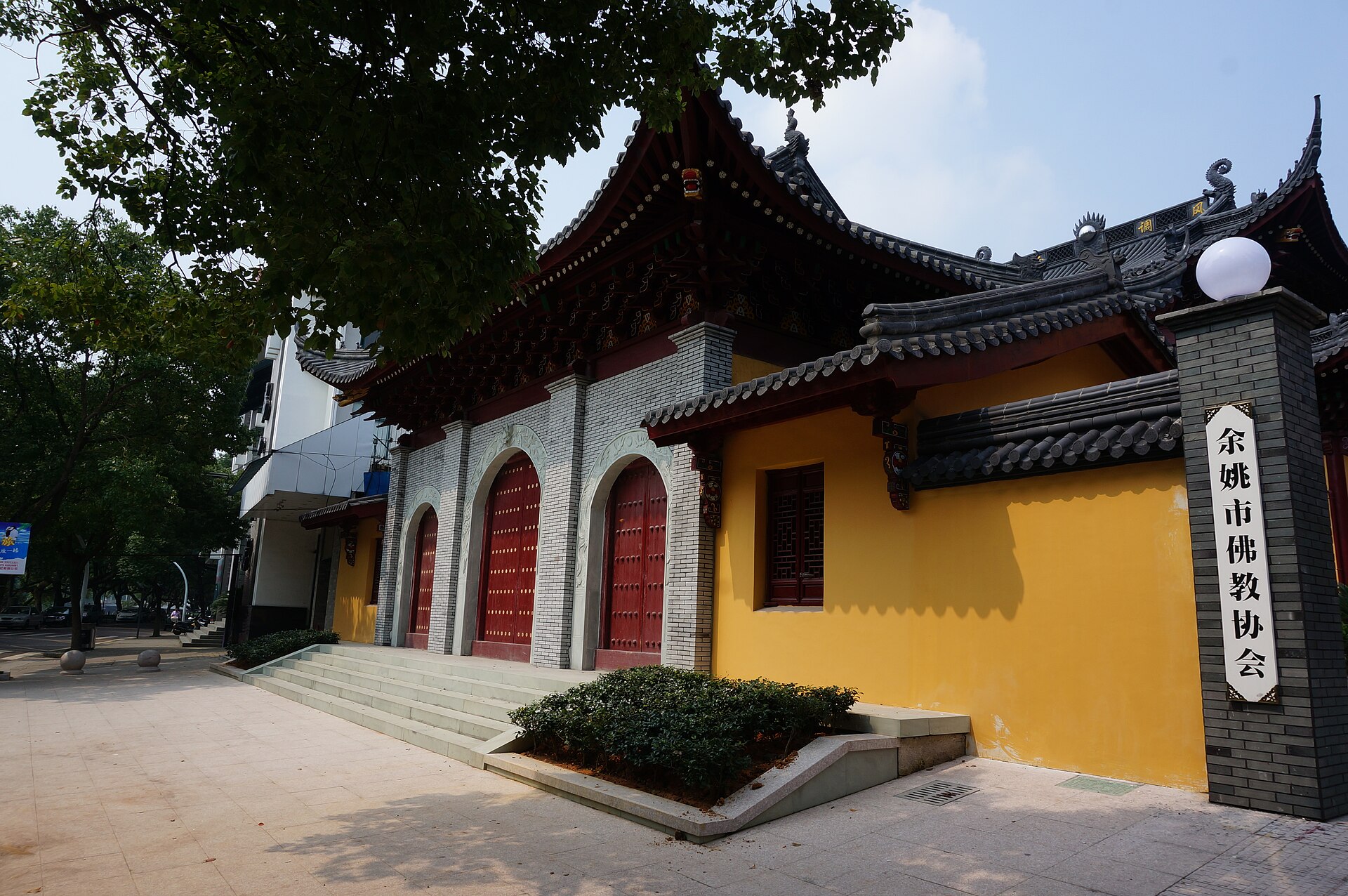
The taxi driver didn’t blink when I gave him the address for the old canal-side teahouse near Simen. He just merged onto the elevated expressway, the late-spring rice paddies flashing green on either side, and twenty minutes later we were rolling down a narrow lane where the pavement gives way to worn stone slabs. No tour buses idling at the curb. No ticket booth. Just the smell of wood smoke and steamed rice cakes drifting from a kitchen window. That is Yuyao in a nutshell: a city that moves at the speed of its own history, tucked between Hangzhou and Ningbo but entirely its own place.
Getting There Without the Hassle
Most travelers land at Ningbo Lishe International Airport, about forty kilometers east. From the arrivals hall, the airport shuttle to Yuyao city center runs every forty minutes and drops you near the main bus hub; a taxi takes thirty-five minutes on a clear road and costs roughly the same as a decent dinner for two. If you are coming by rail, you have two distinct options. Yuyao North Station sits on the high-speed line linking Hangzhou, Ningbo, and Shanghai — bullet trains pull in every twenty minutes at peak times, and the station forecourt has a proper taxi queue and shared-ride minivans heading to the surrounding towns. The older Yuyao Railway Station, closer to the historic core, handles conventional and intercity services; its waiting room still has the faint scent of boiled peanuts and instant noodles, and stepping outside puts you within a ten-minute walk of the Yaojiang River promenade.
Where to Sleep: Canal Walls or Business Parks
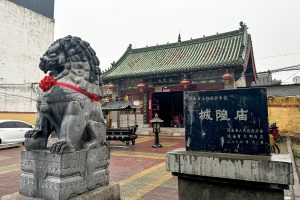
For a first stay, book a courtyard guesthouse in the lanes behind the City God Temple. The rooms open onto a shared courtyard where an ancient camphor tree shades a stone table; the host will likely leave a thermos of local green tea on the sill each morning. Expect creaking floorboards, squat toilets in some cheaper rooms, and the sound of mahjong tiles clacking from the neighbors’ balcony after dusk. If you prefer a reliable mattress and an elevator, the cluster of mid-range business hotels near the North Station metro stop offers clean rooms, English-speaking front desk staff, and a breakfast buffet that includes both steamed buns and passable coffee. Avoid the generic chains along the ring road — they are fine for a transit nap but put you far from the evening food stalls.
Two Days on Foot and Water
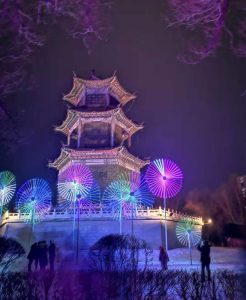
Start morning one at the Hemudu Site Museum, thirty minutes north by car. The excavated stilt-house foundations and carbonized rice grains sit under a massive curved roof; the audio guide explains how Neolithic farmers cultivated paddies here seven thousand years ago. Wear shoes you don’t mind dusting off — the outdoor walkways are gravel. Return to the city by noon for a bowl of hand-pulled noodles topped with pickled mustard greens and a spoonful of chili oil at a stall near the Drum Tower. Spend the afternoon drifting west along the Yaojiang on a flat-bottomed boat the boatman poles with a bamboo shaft; he will point out the stone arches of the Ming-era bridges and the whitewashed walls of merchant mansions that once stored silk and tea. Disembark at the foot of Simen Mountain for a late-afternoon hike up the stone steps to the Cloud Gate Pavilion — the view over the river delta is worth the sweat.
Day two belongs to the backstreets. Rent a shared bicycle from the rack outside the North Station exit (scan the QR code, deposit twenty yuan). Ride south along the canal towpath past the former residence of Wang Yangming, the Ming philosopher who taught here in exile; the courtyard house is preserved with his calligraphy scrolls and a ginkgo he supposedly planted. Continue to the old market quarter where vendors still slice cured ham paper-thin and weigh dried bamboo shoots in brass scales. Lunch is a set meal at a family-run canteen: braised pork belly with preserved vegetables, stir-fried river shrimp with garlic chives, a clay pot of rice, and a bowl of winter melon soup. Afterward, walk off the oil by climbing the narrow stairs of the ancient city wall remnant near the East Gate — the bricks are stamped with the names of the kilns that fired them.
Eating Like a Local: What Hits the Table
Yuyao cuisine leans sweet-savory, heavy on soy, rice wine, and the freshwater bounty of the Yaojiang. Dishes arrive family-style on lazy Susans; you serve yourself with communal chopsticks.
- Simen River Shrimp — live shrimp tossed in a wok with Shaoxing wine, ginger matchsticks, and scallion until the shells turn coral. Peel them at the table; the meat is sweet, the heads creamy.
- Yuyao Pickled Mustard Greens (Xuecai) — thick stems lacto-fermented in clay jars for months. Served stir-fried with bamboo shoots or simmered into a broth with tofu and pork ribs.
- Steamed Rice Cakes (Niangao) — not the sticky New Year discs but thin oval slices, pan-fried until the edges lace crisp, then dipped in dark vinegar and chili.
- Wang Yangming Tofu — silken blocks braised in a sauce of fermented bean curd, rock sugar, and star anise until the custard absorbs the amber glaze.
- Dried Bamboo Shoot Soup — rehydrated shoots simmered with ham hock and goji berries; the broth turns golden and gelatinous.
Home kitchen shortcut: For the pickled greens, buy vacuum-packed xuecai at any supermarket. Rinse once, slice, then flash-fry in lard with garlic and a splash of rice wine. Finish with a pinch of sugar.
Restaurant ordering tactic: Point to the live tank for shrimp; ask for “qing chao” (light stir-fry) if you want less oil. For the tofu, request “zhong wei” (medium flavor) — the default can be cloying. Always order a plate of plain steamed greens (qing cai) to cut the richness.
Beginner traps: Ordering the “tourist set menu” near the Drum Tower — portions are half-size and the shrimp are previously frozen. Skipping the vinegar dip for rice cakes; the acid balances the oil. Assuming all tofu is soft — the braised version holds its shape but turns silky on the tongue.
Reading the Room: Customs That Catch Newcomers
Locals rise early. By the time the sun clears the rooftops, the canal banks are full of retirees practicing tai chi, women rinsing vegetables in the water, and men setting crab traps. If you join a morning tea session at a sidewalk table, the host will refill your cup before it empties — tap two fingers on the table as thanks. Do not stick chopsticks vertically in rice; lay them across the bowl. When someone offers a toast with baijiu, stand, clink lower than their rim, and sip. Refusing outright is fine, but do it with a smile and a hand over the glass.
Market bargaining is gentle. The vendor states a price; you counter thirty percent lower; you meet in the middle. No drama. In temples, step over the threshold — never on it. Light three incense sticks, hold them at forehead height, bow three times, plant them in the sand. Photography inside the main halls is usually forbidden; signs are in Chinese only, so watch what the worshippers do.
Weekends in the lunar seventh month bring the Ghost Festival. Paper boats with candles float down the Yaojiang after dark. Locals avoid swimming or whistling near the water that night. If you are in town then, keep to the lit streets and don’t step on the ash circles left by burned offerings.
Seasonal Rhythms and Practical Notes
Spring (the third and fourth lunar months) paints the hills around Simen with azaleas; the air is cool, the river clear. This is the best window for hiking and boat trips. Summer brings plum rains — sudden downpours that flood the low lanes. Carry a compact umbrella and waterproof shoes. Autumn (eighth to ninth lunar months) is harvest: the fragrance of drying rice stalks perfumes the villages, and the crabs in the market are at their fattest. Winter is quiet, damp, and cold enough for a padded coat; many guesthouses close for the Spring Festival week, so book early if you plan to be here for the new year.
Cash is still king in the back lanes. WeChat Pay and Alipay work everywhere with a Chinese bank card, but foreign cards hit limits at small stalls. Keep a few hundred yuan in small notes. Public toilets in the old quarter are squat pits with no paper; carry tissue and hand sanitizer. The dialect is Wu, mutually unintelligible with Mandarin, but everyone under fifty speaks standard Putonghua. A few phrases — “duo xie” (thanks), “bu yao la” (not spicy), “zai nar” (where is) — earn patience.
When the train pulls out of Yuyao North, the last thing you see through the window isn’t a landmark. It’s an old woman on a stool at her gate, fanning a wok of sugar-coated hawthorn skewers, the syrup threading like amber in the dusk. That smell — burnt sugar, wood smoke, river mud — stays on your coat long after you reach the megacity. You’ll wash the jacket. You won’t wash the memory.