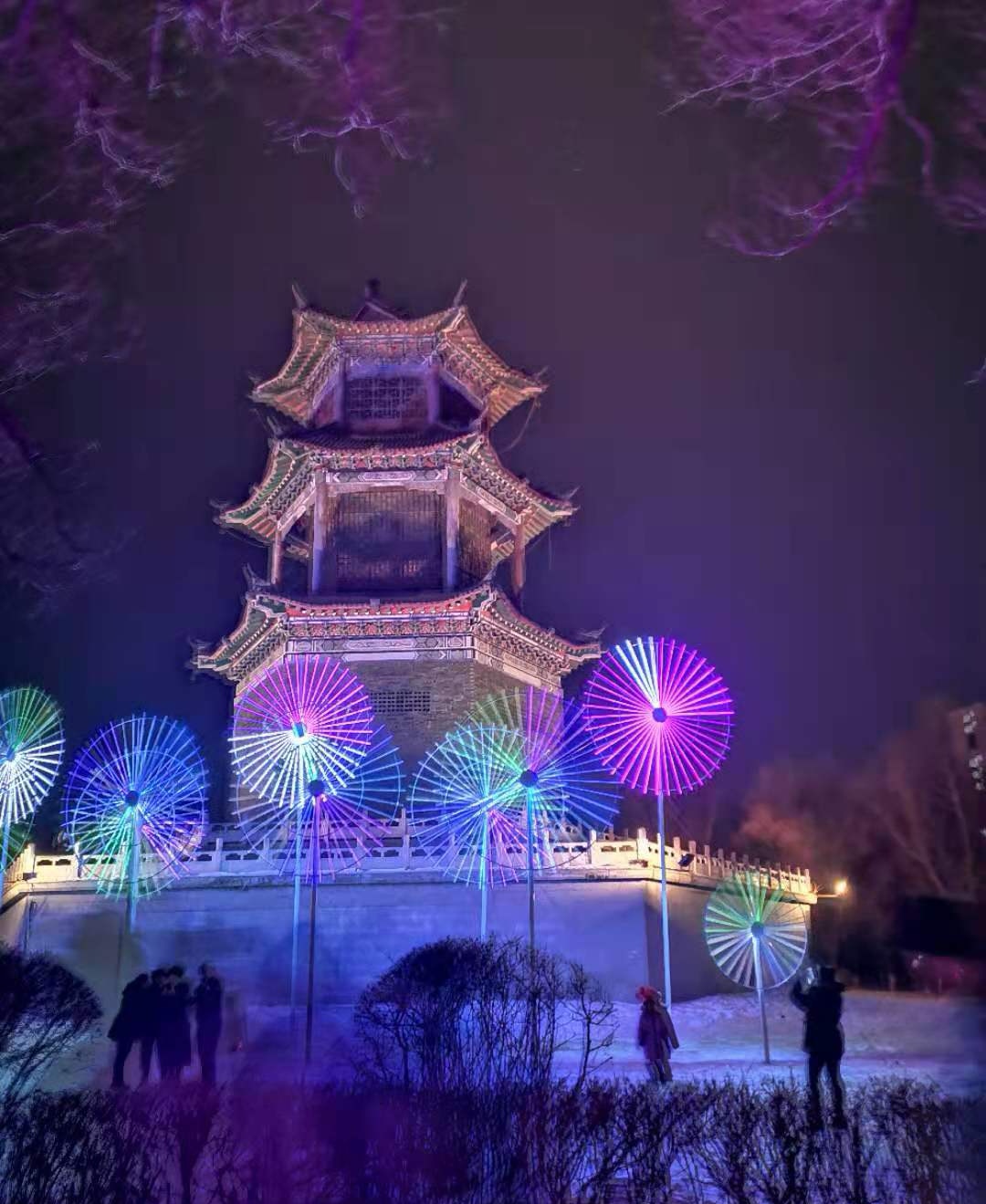
The minibus shudders over the last pass before dawn, headlights cutting through mist that clings to the prayer flags strung across the ridge. Below, the valley floor glows amber — sodium lamps and monastery butter lamps mixing in the thin air. By the time the engine brakes on the main drag, the sky has paled to the color of old tea. This is Yushu, or Gyêgu as the locals still call it, waking up at 3,700 meters where the Tibetan plateau rolls into the Sichuan borderlands.
Getting There Without Losing a Day
Flying is the only way to arrive functional. Yushu Batang Airport sits on a shelf above the river, a forty-minute drive from town through wind-scoured steppe. Daily flights connect from Xining and Chengdu; the Xining hop takes seventy minutes, Chengdu just under two hours. Book the earliest departure — afternoon winds often ground later flights. The airport bus drops passengers at the square near the King Gesar statue; a taxi from there to a guesthouse runs thirty to forty yuan.
Overland from Xining means fourteen to sixteen hours on the G214, two nights if you break it in Golmud or Qumarlêb. The road climbs through the Kunlun foothills, crosses the Tongtian River, then follows the Batang River gorge where rockfall closes lanes without warning. Buses leave Xining’s long-distance station at 7 a.m. and 8 p.m.; the overnight sleeper saves a hotel night but delivers you stiff and altitude-dazed. From the south, the Ganzi route opens only after the summer thaw — usually the sixth lunar month — and the bus deposits you at a windy turnout five kilometers south of town where you flag a shared van.
Where to Sleep When the Wind Howls
Central Yushu clusters around the main square and the two bridges spanning the Batang River. The north-bank lanes hold Tibetan-run guesthouses with heated kang platforms, shared bathrooms, and owners who wake at 5 a.m. to boil yak butter tea. Ask for a room facing the monastery hill — morning light hits the golden roof first. Prices settle around 150 to 250 yuan for a private double with thick quilts.
South of the river, newer hotels cater to Han business travelers: en-suite bathrooms, reliable Wi-Fi, and electric blankets that actually work. A standard room runs 300 to 450 yuan. Book directly by WeChat; the front desk often ignores third-party apps. If you arrive during the horse-racing festival — usually the seventh or eighth lunar month — every bed within ten kilometers is spoken for weeks ahead. Camp near the racecourse only if you have a four-season tent and a stove; night temps drop below freezing even in summer.
Moving Around the Valley
The town stretches five kilometers along the river. Electric three-wheelers — blue, rattling, and ubiquitous — shuttle between the square, the airport road turnoff, and the monastery for three yuan a ride. Flag one by raising a palm; the driver honks once to acknowledge. For day trips to the source of the Yellow River or the Princess Wencheng Temple, hire a Land Cruiser with a driver who knows the seasonal river crossings. Negotiate 800 to 1,200 yuan per day including fuel and the driver’s meals. Insist on a spare tire and a satellite phone; cell signal evaporates past the county line.
Monastery Mornings and Market Afternoons
Jiegu Monastery crowns the hill north of the square. Monks begin debating in the courtyard at 7:30 a.m., their red robes loud against the gray stone. Visitors may watch from the low wall — sit cross-legged, keep silent, never point feet toward the altar. The assembly hall smells of juniper incense and melted butter; butter lamps flicker in niches carved by generations of pilgrims. A donation of ten yuan buys a packet of blessed tsampa you can scatter on the wind later.
By 10 a.m., the daily market unfurls along the north-bank alley behind the bus station. Women in coral-and-turquoise headdresses lay out mats of dried yak cheese, cordyceps in foil pouches, and bundles of wild rhubarb root. Han traders weigh Sichuan peppercorns on digital scales. Try a steamed bun stuffed with minced yak and scallion — the dough is dense, the meat gamey-sweet. Pay cash; mobile QR codes fail when the generator sputters.
Day Trips That Require Patience
The Yellow River source lies ninety kilometers northwest, past the Madoi turnoff. The track climbs to 4,500 meters where marmots whistle from burrows and wild asses graze in loose herds. The actual spring is a modest seep marked by a stone cairn and a flutter of khata scarves. Walk the final kilometer slowly; headaches bloom fast at this elevation. Return before 4 p.m. — afternoon storms turn the dirt track to grease.
Princess Wencheng Temple, thirty kilometers south, sits in a juniper grove where the Batang River bends. The chapel houses a clay statue attributed to the Tang princess herself. An elderly nun unlocks the inner door for visitors who bow three times and leave a stick of incense. The surrounding meadow fills with picnicking families on weekends; join them for yak yogurt drunk from wooden bowls.
What Newcomers Get Wrong
- Assuming the airport will operate on schedule. Wind delays are routine; build a buffer day into your onward ticket.
- Drinking tap water or brushing teeth with it. Every guesthouse provides a thermos of boiled water — use it for everything.
- Photographing monks or pilgrims without asking. A nod and a raised camera usually earns a shake of the head; respect it.
- Skipping altitude meds because “I felt fine in Lhasa.” Yushu sits higher than Lhasa by three hundred meters; the onset is steeper.
- Expecting vegetarian meals to be meat-free by default. Yak butter and dried beef flavor most broths; specify “wǔ ròu” (no meat) twice.
- Carrying only large bills. Market vendors and three-wheeler drivers rarely break hundred-yuan notes.
Seasonal Rhythms Worth Timing For
Winter locks the passes from the tenth lunar month through the third; only the airport keeps the town connected. Spring brings the first cordyceps hunters camping on hillsides, their tents glowing like fireflies at dusk. Summer monsoon — fifth to seventh lunar month — paints the valley green but swells rivers to impassable torrents. The horse-racing festival arrives in the seventh or eighth month: three days of bareback sprints, archery from galloping ponies, and nights of circle dancing around bonfires. Autumn clears the air to a crystalline blue; this is the window for photography and high passes. Pack layers for all seasons in a single day — the plateau does not negotiate.