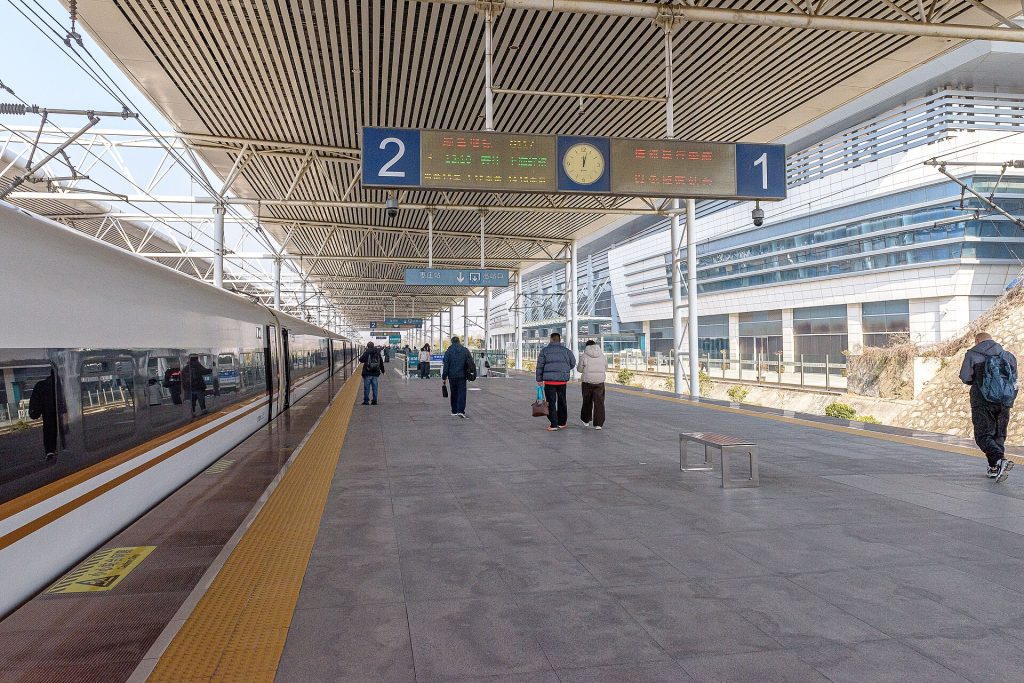
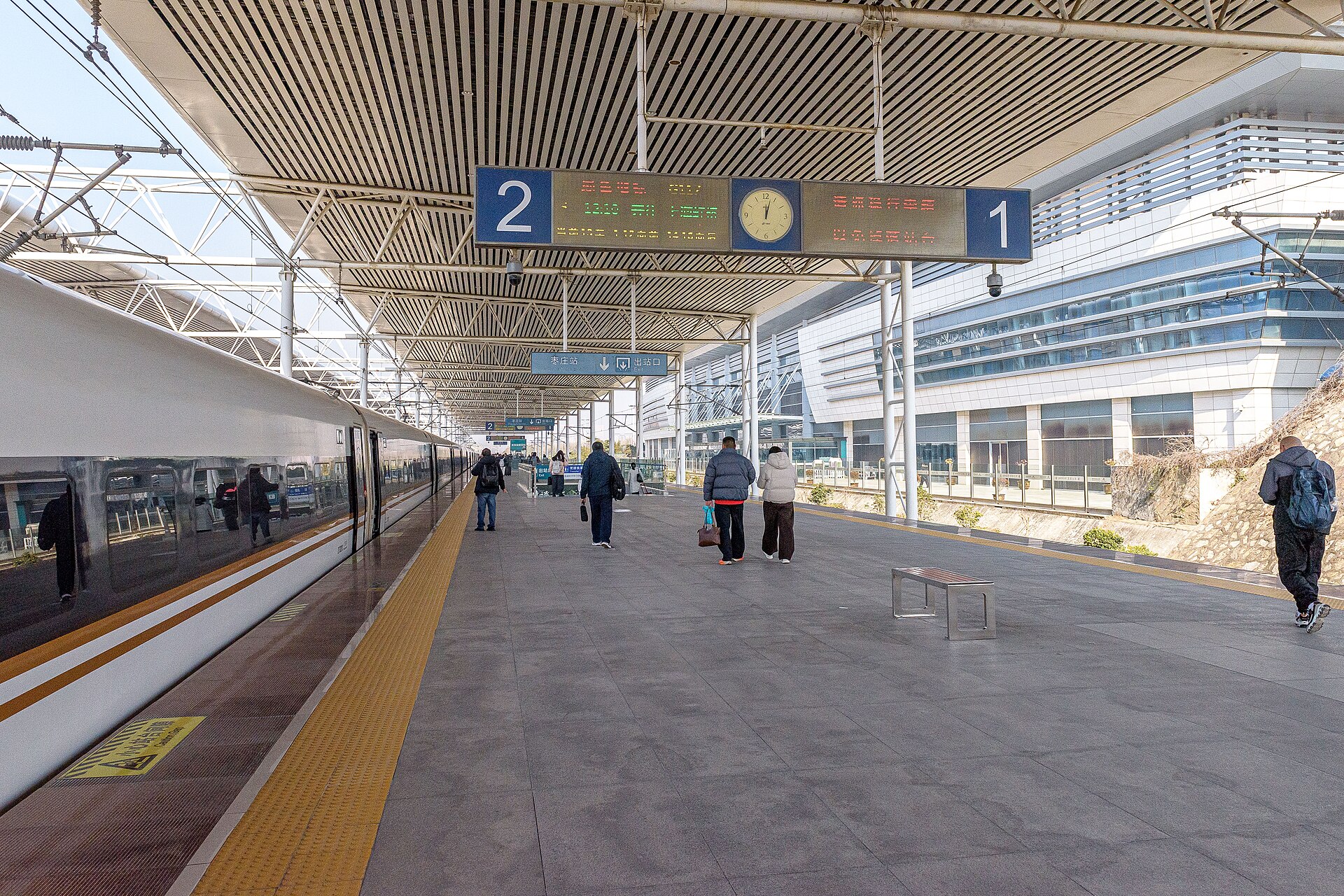
The high-speed train slides into Zaozhuang Station just as the morning mist lifts off the paddy fields. Outside the glass doors, an old man waves a hand-painted sign for a guesthouse near the ancient canal, while a cluster of taxi drivers argue over who gets the foreigner. I shoulder my pack, buy a bottle of lukewarm jasmine tea from a vending machine, and step into a city that still smells of coal dust and garlic.
Getting oriented
Zaozhuang sprawls along the Beijing–Shanghai railway corridor in southern Shandong. The urban core splits into a few distinct zones: the modern Shizhong district where the high-speed station sits, the older Xuecheng area built around mining history, and Taierzhuang district forty minutes south along the Grand Canal. Buses numbered 1, 2, and 101 link the station to the city center; a ride costs pocket change and takes twenty minutes in light traffic. Taxis start at a flag-fall of around eight yuan, but drivers often refuse the meter for the ancient town run — agree on a flat 120 to 150 yuan before the door closes. If you prefer two wheels, shared e-bikes cluster near every subway entrance; scan the QR code, pay the deposit, and you have a silent ride through lanes too narrow for cars.
Taierzhuang Ancient City: canals, cobblestones, and night lanterns
The rebuilt water town sits on the Grand Canal where the 1938 battle once turned streets into rubble. Today the alleys are clean, the timber facades fresh, and the canal water clear enough to see carp. Enter through the South Gate at dawn — before the tour buses unload — and you’ll have the stone bridges to yourself. Walk the north–south spine: Drum Tower, then the old customs house, then the Catholic church with its twin spires reflected in the water. Turn west at the opera stage and you’ll find a lane of courtyard homes converted into tea rooms. Sit on a wooden stool, order a pot of Tieguanyin, and watch an elderly woman hand-roll dough for steamed buns.
Stay for the evening light show. At seven, lanterns flicker on along the canal, and a recorded pipa melody drifts from hidden speakers. Boats glide past, their red lanterns painting the water. The crowd thickens, but the atmosphere stays relaxed — locals bring folding stools and eat sunflower seeds while teenagers pose for selfies. If you want quiet, slip into the side alley behind the grain warehouse; a small bar there serves craft beer brewed with local hops and plays vinyl jazz until midnight.
War memory sites: Railway Guerrillas and the Taierzhuang Battle Hall
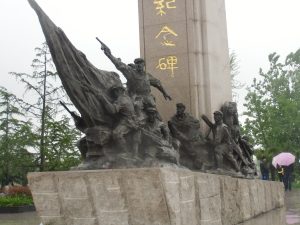
Two museums frame the city’s wartime narrative. The Railway Guerrilla Memorial Park sits in the northern suburbs, built around a stretch of the old Jinpu line. A rusted steam locomotive rests on a siding; beside it, a diorama shows fighters prying up rails with crowbars. The exhibition hall follows a chronological path — photographs, captured Japanese rifles, handwritten letters. Allow ninety minutes. English captions are sparse, so download a translation app beforehand.
The Taierzhuang War Memorial Hall, inside the ancient town’s western wall, takes a broader view. A massive relief map dominates the central hall, illuminated by moving lights that trace the 1938 troop movements. Artifacts include a blood-stained flag, a field telephone, and a stack of rice bowls recovered from a bombed granary. The final room plays a loop of survivor interviews — subtitled in Mandarin only. Visit on a weekday morning; school groups arrive by the busload after lunch.
Nature escapes: Weishan Lake and Baodugu
Thirty kilometers west, Weishan Lake spreads like a shallow bowl. In late summer the lotus bloom turns the water pink; in autumn migratory birds crowd the reed beds. The wetland park rents electric boats — thirty minutes for fifty yuan — and the boardwalk stretches two kilometers through cattails. Bring mosquito repellent; the insects here are relentless at dusk. A cluster of fish restaurants lines the north shore. Order the stewed carp with pickled mustard greens, served in a clay pot that bubbles at the table.
Baodugu, forty minutes northeast by car, is a limestone plateau crowned with a Taoist temple complex. The cable car hauls you up in six minutes; the hike takes forty. At the summit, incense curls around a bronze statue of Laozi, and the view rolls east toward the coal fields. Monks sell hand-copied sutras on rice paper — ten yuan a sheet. Wear sturdy shoes; the stone steps are slick after rain.
Food on the table: spicy chicken, garlic, and canal fish
Zaozhuang cuisine leans salty, spicy, and garlicky. The signature dish — spicy chicken (辣子鸡) — arrives as a mountain of bone-in chunks, dried chilies, Sichuan peppercorns, and scallions. The meat should be crisp at the edges, juicy inside, and the oil red but not burning. Eat with your fingers; pile the chilies on the side if you want flavor without fire.
- Chicken thigh, bone-in, cut into 3-centimeter pieces
- Dried facing-heaven chilies, stems removed
- Sichuan peppercorns, lightly toasted
- Garlic cloves, smashed
- Ginger, thin coins
- Scallions, cut into inch lengths
- Shaoxing wine, light soy, dark soy, sugar
- Peanut oil for deep-frying
Home method: marinate chicken in wine, light soy, and a pinch of salt for twenty minutes. Heat oil to 180°C; fry pieces in batches until golden, drain. Pour off excess oil, leave two tablespoons. Stir-fry garlic, ginger, peppercorns, and chilies until fragrant. Return chicken, splash dark soy and sugar, toss hard for thirty seconds. Finish with scallions. Serve on a heated iron plate.
At a restaurant, order “la zi ji” and ask for “zhong la” — medium heat. The waiter may bring a bowl of steamed buns (mantou) to soak the oil. Don’t fill up on rice; the buns are the proper vehicle. Another local staple: garlic braised pork belly (蒜烧肉). Thick slices simmer whole garlic heads until the cloves melt sweet. Pair with a cold dish of smashed cucumber and black vinegar.
Canal fish appears in two forms: steamed whole with ginger and scallion, or braised in brown sauce with tofu. The flesh should flake clean off the bone, skin glossy. If the menu lists “Weishan Lake silver carp,” take it — wild-caught, not pond-raised.
Seasonal rhythm and local expectations
Spring brings the peach blossom festival in the western hills — usually the third lunar month. Villagers set up stalls selling honey, walnuts, and paper-cut amulets. Autumn, the ninth lunar month, sees the lotus harvest at Weishan; farmers pole boats into the dawn mist, returning with baskets of seed pods. Winter is quiet; the ancient town’s lanes empty after the Lantern Festival, and many guesthouses close for renovation.
Locals move at a slower clip than in Jinan or Qingdao. Shopkeepers may not open until nine, and lunch runs from eleven to one — expect locked doors outside those hours. Tipping is not customary; rounding up the taxi fare is enough. If invited to a family meal, leave a few bites on your plate — cleaning it signals you’re still hungry. And never stick chopsticks upright in a rice bowl; lay them across the rim.
Newcomers often try to cram the ancient town, both museums, and the lake into a single day. That leaves you rushing through the canal at sunset, missing the lanterns. Better: two nights in Taierzhuang, one morning at the battle hall, one afternoon on a boat at Weishan, and an evening eating spicy chicken at a plastic-table joint where the owner knows every hand that stirs the wok.