The minibus rattles to a halt beside a field of winter wheat, the green stalks brushing the roadside. An elderly vendor waves a bundle of scallions from a plastic stool, steam rising from a nearby pot of lamb soup. Across the two-lane highway, a faded stone tablet marks the spot where Cao Cao once watched his supply wagons burn. There is no ticket booth, no turnstile, no audio guide — just the hum of trucks shifting gears and the smell of coal smoke drifting from a village kitchen.
Getting There Without a Tour Bus
Zhongmu sits thirty kilometers northeast of Zhengzhou, close enough for a half-day escape but far enough that the subway map ends before you arrive. The fastest way is a Didi or a rented car: take the Jinggang’ao Expressway north, exit at Zhongmu West, and follow the signs for the Yellow River wetland park. If you prefer public transport, catch the 901 bus from Zhengzhou East Railway Station’s long-distance yard. It leaves every forty minutes, costs a handful of yuan, and drops you at the county government square. From there, shared electric tricycles — locals call them sanlunche — wait to ferry you to the river embankment or the old town lanes. Drivers rarely speak English; show a screenshot of your destination written in characters.
Walking the Old County Seat
The historic core clusters around Gulou Street, where a Ming-dynasty drum tower still keeps time. Narrow alleys peel off toward the former yamen compound, its grey bricks blackened by decades of coal heating. Inside the courtyard, a glass case holds a rusted iron seal once used by Zhao state magistrates — the county served as the Zhao capital for thirty-eight years during the Warring States period. Few tourists linger here; most are retirees practicing calligraphy on water-writing cloth, their brushes dancing across the pavement. If you arrive near the tenth lunar month, you may catch the temple fair at the Confucius Turning Carriage shrine, where locals burn paper money and offer steamed buns shaped like carp.
- Start at the drum tower at 9 a.m. when the morning market folds up.
- Follow the stone lane east to the Zhao capital site museum — free entry, closed Mondays.
- Turn south into the lane behind the former yamen for a bowl of hand-pulled noodles topped with fried bean sauce.
- Exit through the west gate toward the river; the path passes a row of persimmon trees heavy with fruit in late autumn.
Yellow River Wetlands at Dawn
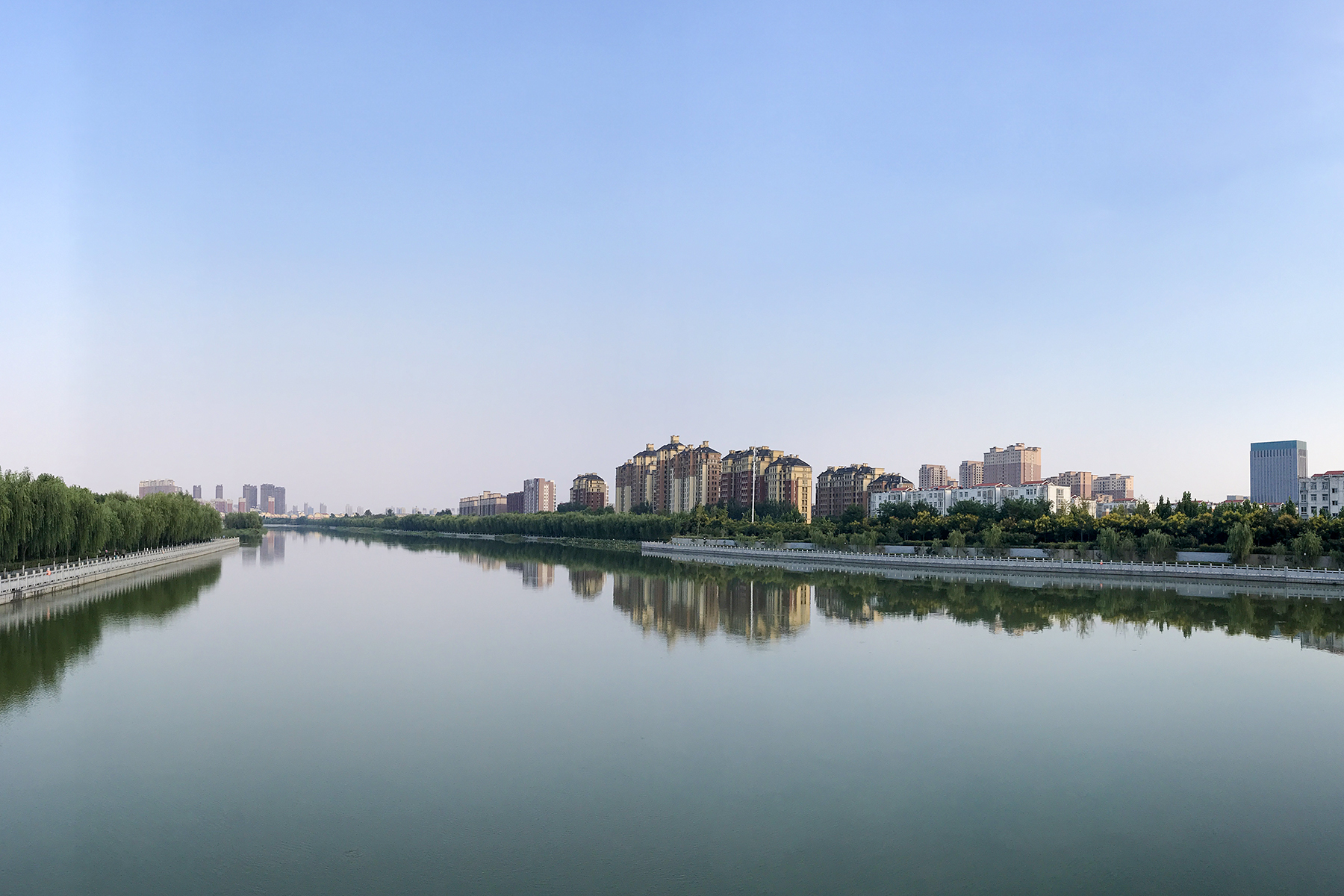
The real draw lies north of town, where the Yellow River spreads into shallow channels and reed beds. The wetland park opens at six, but the gatekeeper often unlocks the side pedestrian gate half an hour earlier for photographers. Mist clings to the water until the sun clears the tree line, revealing flocks of bean geese and the occasional oriental stork. Wooden boardwalks loop through the reeds; after rain, the planks turn slick as ice. Wear rubber boots or old sneakers you don’t mind ruining. There are no cafés inside — bring a thermos and a packet of salted peanuts. The observation tower at the far end has a cracked telescope; it still works if you jiggle the focus knob.
Guandu Battlefield: Reading the Land
Ten minutes west of the wetland, a low ridge marks the Guandu granary site where Cao Cao torched Yuan Shao’s grain wagons in 200 AD. The museum here is modest — a few dioramas, a replica wagon, a wall of excavated arrowheads — but the value is in the terrain. Stand on the viewing platform and you see why the supply line was vulnerable: the river bends close, the ground is flat, and the wind funnels through the gap. Local middle-school groups reenact the fire drill each spring, waving red silk flags. If you visit outside festival season, the site is empty. A farmer may offer to sell you a “Han dynasty coin” he found plowing; smile, decline, and keep walking.
Eating Where the Truck Drivers Stop
Lunch in Zhongmu means lamb. The best bowls appear at roadside stalls along National Highway 107, where long-haul drivers park their rigs. Order the yangrou tang — clear broth, hand-torn flatbread soaking at the bottom, a scatter of cilantro and chili oil. The meat arrives in a separate plate, sliced paper-thin from a leg that hung curing since the winter solstice. Eat it by dipping bread into broth, then wrapping a slice of lamb with raw garlic and a dab of fermented bean paste. A bowl costs roughly the price of a subway ride in Zhengzhou. Avoid the “tourist set meals” advertised near the wetland entrance; they reheat frozen dumplings and charge triple.
- Broth: lamb bones, ginger, scallion, simmered four hours.
- Bread: unleavened dough, rolled thin, baked on a convex iron griddle.
- Condiments: chili oil, fermented bean paste, raw garlic cloves, cilantro.
- Technique: tear bread into thumb-sized pieces, soak thirty seconds, wrap lamb, eat in one bite.
What Newcomers Get Wrong
First-time visitors often treat Zhongmu as a checklist: photo at the drum tower, selfie at the river, back on the bus by noon. They miss the rhythm — the way the county wakes with the call to prayer from the Hui mosque on West Street, the pause at midday when shop shutters close for a nap, the evening chorus of mahjong tiles clicking in courtyard gates. They also underestimate the wind. The Central Plains funnel cold air straight from Mongolia; even in the fourth lunar month, a bite cuts through a light jacket. Pack a windproof layer, a power bank for your phone (outlets are scarce at the wetland), and cash — many vendors still don’t scan QR codes. Most importantly, don’t ask for a “tourist map.” The best one is drawn in charcoal on the back of a noodle shop receipt by a man who hasn’t left the county in sixty years.