What suancai yu actually is
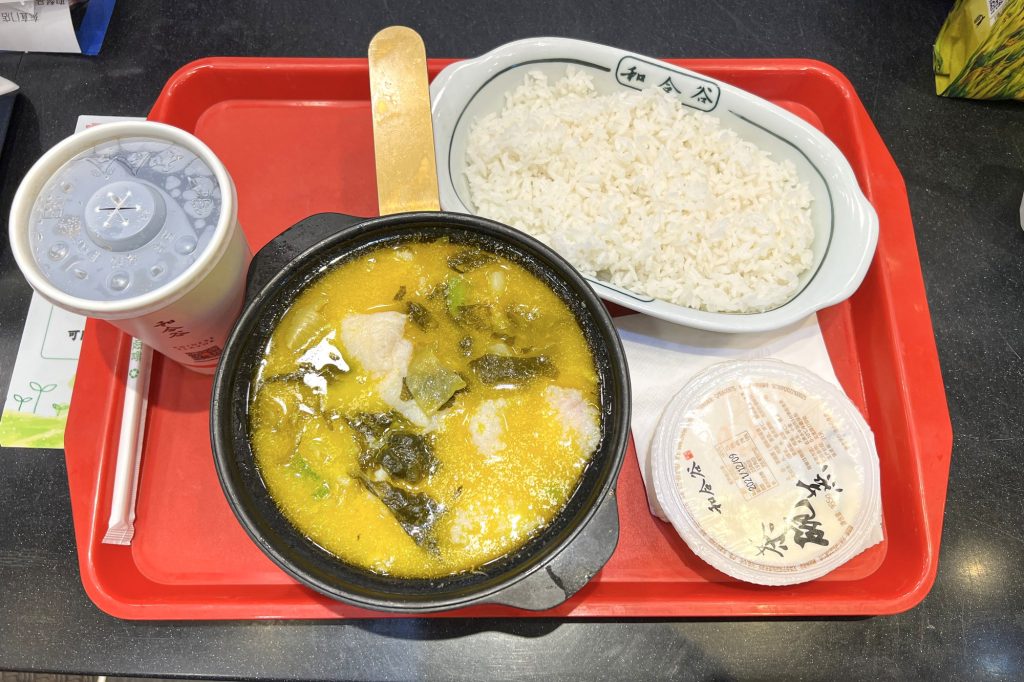
Suancai yu (酸菜鱼) is a hot, sour, savory fish dish built around suancai—Chinese pickled mustard greens often translated as sour cabbage or pickled cabbage. Thin fish fillets swim in a bright, aromatic broth or sauce loaded with pickled greens, chili, and aromatics. It is comfort food with punch: tangy from fermentation, spicy to taste, and designed for a table of rice bowls.
You will meet it in Sichuan and Chongqing restaurants, in dedicated suancai-yu chains across Chinese cities, and on many home-style menus. Some versions arrive as a bubbling pot; others as a deep plate of fillets under red oil and pickled greens. Either way, the sour pickle is the signature—not a side garnish.
This guide helps first-timers order without guessing: what the pickle tastes like, which fish cuts are common, how to set spice, how sharing works, and how it differs from hotpot even when it looks pot-like. For communal chili feasts, keep Sichuan hotpot as a separate night.
Sour cabbage, explained without mystery
Suancai is fermented mustard green (and related greens), not European sauerkraut made from round white cabbage—though the sour idea is related. The pickle brings acidity, salt, and a deep vegetable aroma that cuts through the richness of fish and oil. In the bowl it looks like pale green to yellowish shredded leaves. Eat the greens; they are part of the dish, not decoration.
If you dislike strong fermented flavors, start with a milder spice level and take small bites of pickle with fish and rice. Many visitors who “don’t like pickles” still enjoy suancai yu because the broth balances sour with chili and savoriness.
Fish cuts and bones
Restaurants commonly use freshwater fish such as grass carp or similar white fish, sliced into thin fillets. Quality kitchens remove most bones from the slices, but tiny bones can remain. Eat carefully on early bites. Some premium menus offer black fish or other options; chains standardize one default fish for speed.
Whole-fish presentations are less common for classic chain-style suancai yu than for banquet steamed fish. Here, the pleasure is tender slices you can lift with chopsticks. If a bone appears, set it on the bone plate or napkin edge—normal table manners, not a crisis.
Spice, numbness, and oil
Suancai yu heat is adjustable in many restaurants:
- 不辣 — not spicy
- 微辣 — mild
- 中辣 — medium
- 特辣 — extra spicy (for people who mean it)
Sichuan peppercorn tingle appears in many versions. If numbness bothers you, ask 少放花椒 or 不要花椒. Red oil on top looks dramatic; you can spoon around the heaviest oil layer and still get flavor from the broth and pickles.
Chain restaurants often print spice buttons on the QR order screen. Independent shops may ask verbally. Answer with one word plus a smile.
How to order on a first visit
1. Look for 酸菜鱼 or English lines like “fish with pickled cabbage / sauerkraut fish.”
2. Choose a size if offered (small/medium/large). Small can still feed two light eaters with rice and a vegetable side.
3. Set spice: start 微辣 unless you already know your Sichuan tolerance.
4. Add rice bowls for everyone at the table.
5. Consider one mild vegetable side so the meal is not only fish and chili.
Script samples:
- 酸菜鱼,微辣,两碗米饭 — “Sour cabbage fish, mild, two bowls of rice.”
- 鱼片多一点可以吗? — “Can we get extra fish slices?” (sometimes a paid add-on; ask without assuming free).
- 打包 — takeaway if you cannot finish.
QR menus are common in chains; photo-translate Chinese lines if needed, then tap. Details live in our QR menu guide for foreigners. Pay with apps when possible via Alipay / WeChat Pay tips for visitors.
How to eat it at the table
Serve fish and pickles into your rice bowl or a small personal bowl. Do not fish endlessly from the communal pot with the same chopsticks you put in your mouth if the table provides serving utensils—use the public chopsticks or ladle when present. Sip broth carefully; it can be hotter than the fish pieces look.
The broth is meant to be enjoyed, not ignored. Near the end, many locals pour broth over remaining rice. If the oil layer is heavy, skim or leave the last oily spoonfuls.
Suancai yu vs hotpot vs boiled fish
- Suancai yu: one composed sour-spicy fish dish, pickle-forward, usually ordered as a main.
- Hotpot: DIY cooking in a shared pot, many ingredients, longer session.
- Shuizhu-style boiled fish: chili-oil heavy Sichuan fish, often less pickle-sour than suancai yu.
Knowing the difference stops you from accidentally booking a two-hour hotpot when you wanted a forty-minute fish dinner.
Chains, specialists, and home-style rooms
Dedicated suancai-yu brands made the dish a national mall staple. Expect picture menus, standardized spice levels, and fast turnover. Traditional Sichuan restaurants may serve a more kitchen-specific version with deeper pickle aroma. Both can be excellent; chains are easier on language, specialists can feel more personal.
If you are exploring Chengdu heat more broadly, compare with mapo tofu on another night so sour-pickle fish and bean-paste tofu stay distinct in memory.
Who should be careful
- People who struggle with bones should eat slowly and choose reputable busy restaurants with high fillet turnover.
- Very spice-sensitive diners should insist on 不辣 and still expect sour saltiness.
- Anyone with fish allergy must skip this dish entirely—unlike yuxiang eggplant, this one is actually fish.
Sharing etiquette for mixed groups
If half the table loves chili and half does not, order 微辣 for the shared pot rather than splitting into two fish dishes on night one—unless the group is large enough to finish both. You can always add chili crisp or chili oil on individual bowls if the restaurant provides them. Pushing one person into 特辣 “for the experience” is a classic friendship stress test; skip it.
When children or spice-avoidant friends join, ask the kitchen whether a non-spicy sour broth version exists. Some chain screens include a clear non-spicy option; independent shops may still cook with a little chili for color—confirm verbally.
Broth, rice, and pacing
Suancai yu rewards pacing. Early bites should be fish plus a little pickle on rice. Mid-meal, taste the broth alone. Late meal, decide whether you want a final broth-over-rice finish. Drinking only the top oil layer will skew your impression toward heat and away from sour complexity.
If the fish is very tender, it may break when you chase it aggressively—scoop from below with a spoon. That is skill, not failure.
Leftovers and takeaway
Large orders often leave broth and pickles after the fillets disappear. Ask whether takeaway of broth is practical (打包汤可以吗?). Some shops prefer not to send boiling liquid in flimsy bags; others are used to it. Fish leftovers reheat gently at home; aggressive boiling can toughen the slices.
What “good” smells like
A healthy suancai yu smell is sour-aromatic and chili-warm, not fishy-ammonia. Freshwater fish can have a mild river note; heavy off-odors mean choose another restaurant next time. Busy lunch service is usually a better quality signal than an empty dining room with a huge photo menu.
Holiday timing note
Mid-Autumn 2026 falls Friday 25 September (about 25–27 September). Golden Week runs 1–7 October, with makeup workdays 20 September and 10 October (国办发明电〔2025〕7号). Popular fish chains near tourist zones queue longer then. Go early evening or pick a residential-area branch.
Common mistakes
- Ordering large “for the table photo” when two people needed medium.
- Skipping rice because the dish looks like a soup—you need starch.
- Diving into special spicy on night one in Sichuan.
- Leaving the pickled greens uneaten and wondering why it tastes “incomplete.”
- Confusing the dish with hotpot and over-ordering side dishes meant for a different format.
Bottom line
Say 酸菜鱼, pick 微辣, get rice, eat fish and pickles together, and respect leftover bones. Sour cabbage fish is one of China’s most satisfying shared mains: tangy, warming, and practical once you know the pickle is the point—not a strange cabbage accident on top of dinner.