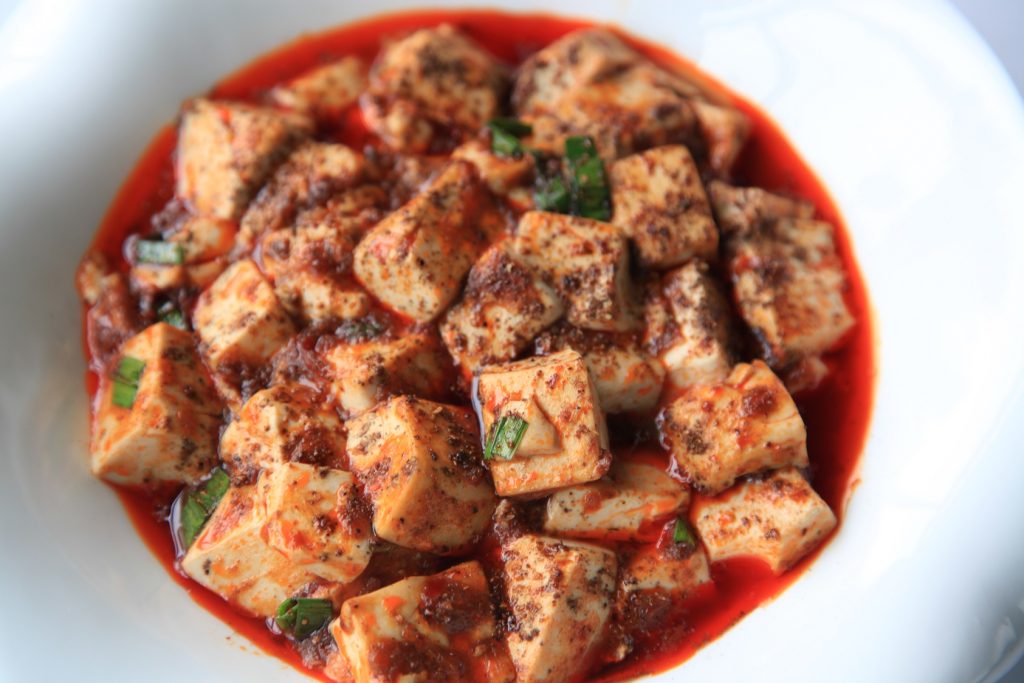
Why mapo tofu is the Chengdu dish to learn first
Mapo tofu (麻婆豆腐) is Chengdu’s most approachable signature dish: soft tofu cubes in a glossy chili-and-bean sauce, usually finished with minced beef or pork and a scatter of Sichuan peppercorn. It looks fiery. It often is. But unlike a full hotpot table, one plate of mapo tofu is a controlled experiment — you can taste, pause, add rice, and decide whether to escalate.
For a first visit to Chengdu in early autumn 2026, mapo tofu is also a practical skill. Menus repeat it in local restaurants, hotel dining rooms, and chain Sichuan shops across China. If you learn how to order it calmly here, you can order it almost anywhere later. Pair this guide with a broader city walk in our Chengdu first-visit early autumn overview, and keep Sichuan hotpot for first-timers for a separate meal so you do not stack two heavy spice experiences on the same night.
What “numbing” actually means
Sichuan flavor is often described as má là (麻辣): numbing plus spicy. The “spicy” part is chili heat. The “numbing” part is Sichuan peppercorn (花椒), which creates a tingling, vibrating sensation on the lips and tongue — not the same as chili burn.
First-timers sometimes panic because the mouth feels “electric” even when the chili level is moderate. That is normal. Numbing is a texture-of-sensation, not a contest. You can ask for less peppercorn aroma, less chili oil, or both. You do not need a numeric “heat score” from a blog; restaurants work in plain words.
Useful distinctions:
- Là (辣): chili heat — burning, sweating, red oil.
- Má (麻): peppercorn tingle — buzzing lips, aromatic citrus-pepper notes.
- Oil vs paste: some plates look red mostly from chili oil floating on top; the tofu underneath may be milder than the surface suggests. Stir before you judge.
If your stomach is sensitive, treat the first spoonful as a test, not a challenge. Eat with rice immediately.
How Chengdu restaurants usually present the dish
In Chengdu, mapo tofu is typically a shared main, not a tiny side. Soft tofu sits in sauce; minced meat adds savoriness; garlic, fermented broad-bean chili paste (豆瓣酱), and peppercorn finish the aroma. Some kitchens keep the tofu very soft (almost trembling); others hold a firmer cube. Neither is “fake” — soft tofu simply needs a gentle spoon.
You may also see:
- Beef mapo vs pork mapo (牛肉 / 猪肉) — ask if it matters for preference or diet.
- Vegetarian / no meat versions in some places — confirm clearly; “vegetable oil only” is not automatic.
- Mapo tofu over rice in casual canteens — a one-bowl lunch rather than a shared plate.
Chain restaurants outside Sichuan sometimes sweeten or thicken the sauce. In Chengdu proper, expect a more savory, fermented, peppercorn-forward profile. Trust your tongue more than the menu photo.
Spice levels: what to say without guessing numbers
Skip invented Scoville talk. Use the kitchen’s own language.
Common requests:
1. 不辣 (bú là) — not spicy / no chili heat (you may still get mild peppercorn).
2. 微辣 (wēi là) — mild spicy — the safest first-timer default.
3. 中辣 (zhōng là) — medium — only if you already enjoy chili at home.
4. 少放花椒 / 不要太麻 — less Sichuan peppercorn / not too numbing.
5. 少油 — less oil — helpful if red oil overwhelms you.
A calm script at the table:
> “一份麻婆豆腐,微辣,不要太麻,多一点米饭。”
> (One mapo tofu, mild spicy, not too numbing, and extra rice.)
If staff offer only “spicy or not,” choose mild and add chili later from a side dish if needed. It is easier to add heat than to undo it.
When the dish arrives, stir gently, taste a tofu cube with sauce and rice together, then decide whether to keep eating at that pace. Do not chase the reddest spoonful first.
Rice pairing and what else to order
Mapo tofu without rice is a trap for first-timers. The sauce is concentrated; rice resets your palate and protects your stomach.
Practical pairing rules:
- Order rice for everyone at the start, not after you are already overwhelmed.
- Add a cool or mild vegetable — eggy tomato, plain greens, cucumber salad, or tofu skin in light dressing.
- Add a brothy or non-chili soup if the table is otherwise dry and oily.
- Avoid stacking mapo tofu with another heavy má là main on the same lunch unless your group is experienced.
Drink options vary by restaurant. Warm soy milk, light tea, or a mild soft drink are common comfort choices; ice-cold beer is popular with spice but is optional, not required. Hydrate before you “push through” heat.
If you are scanning a QR menu and feeling lost in photos, our guide to Chinese restaurant QR menus for foreigners walks through search words, spice toggles, and when to ask staff to confirm.
A first-timer restaurant flow (15 quiet minutes)
1. Choose the right setting
For your first mapo tofu in Chengdu, pick a busy local restaurant or a well-reviewed Sichuan place near your hotel — not a midnight street challenge. Midday or early evening is calmer than peak weekend dinner near Mid-Autumn (Friday 25 September 2026) or the lead-up to Golden Week (~1–7 October 2026).
2. Seat, water, rice
Sit, get water on the table, and order rice early. If the restaurant uses a QR code, search “麻婆豆腐” directly rather than scrolling endlessly.
3. State spice preference before the kitchen starts
Tell staff 微辣 (and 不要太麻 if you fear numbing) when you order, not after the plate is already fiery.
4. Taste with rice, then adjust pace
First bite = tofu + sauce + rice. Second bite decides whether you continue, share more widely, or leave half and focus on milder dishes.
5. End cleanly
Ask for leftover boxing only if you have a fridge and a plan; oily chili sauces do not improve after a long warm walk. Wipe fingers, drink water, and give your stomach a buffer before dessert or tea.
Common first-timer mistakes
Chasing the reddest oil. Surface oil is not the whole dish. Stir and taste tofu.
Ordering “authentic maximum spice” on day one. Authenticity in Chengdu includes knowing your limit. Locals also order mild versions.
Skipping rice “to taste the sauce better.” Rice is part of tasting the sauce correctly.
Stacking hotpot and mapo tofu the same night. Both lean on chili and peppercorn. Split them across days.
Assuming every mapo tofu is beef. Ask. Dietary needs deserve a clear question.
Photographing before stirring. Fine for a photo — but taste after you mix, or you will misjudge heat.
Diet, allergies, and soft-tofu tips
- Pork/beef: confirm protein if you avoid one of them.
- Vegetarian: ask whether minced meat is omitted and whether the wok is shared with meat dishes — practices vary.
- Gluten / soy / fermented pastes: mapo tofu usually involves fermented bean paste and soy; it is not a low-allergen dish. If you have serious allergies, choose another main.
- Soft tofu technique: scoop from underneath; do not stab aggressively or the cubes collapse into mash.
- Kids or spice-averse friends: order mild, extra rice, and a separate non-spicy protein.
Where travelers usually meet the dish in Chengdu
You will find mapo tofu in:
- Neighborhood Sichuan restaurants near metro stops
- Hotel Chinese restaurants (often milder by default — still ask)
- Department-store food courts with Sichuan counters
- Cooking-class menus (useful for learning aroma, not for restaurant ordering practice)
Tourist streets near major parks can be fine for a first plate if the kitchen looks busy with local diners. Empty souvenir restaurants are a weaker signal. You do not need a “secret alley” for a good first mapo tofu; you need clear communication and rice.
If your Chengdu days sit close to Mid-Autumn or Golden Week, book popular restaurants earlier and keep one flexible noodle or rice fallback — holiday weeks reshuffle queues more than they change recipes. For calendar context, see Golden Week 2026 vs Mid-Autumn.
A calm ordering cheat sheet (save this)
Dish name: 麻婆豆腐 (mapo tofu / má pó dòu fu)
Default first order: 微辣,不要太麻,多米饭 (mild, not too numbing, extra rice)
Protein check: 是牛肉还是猪肉?(beef or pork?)
Less oil: 少油
No chili heat: 不辣
With rice bowl: 麻婆豆腐盖饭 / 单人份盖饭 (where offered)
Pay how the table pays — often a QR scan. Foreign visitors should have Alipay/WeChat Pay ready before dinner, plus a backup card plan for hotel restaurants.
After the meal: what success feels like
A successful first mapo tofu in Chengdu is not “I survived the hottest plate.” It is: you ordered in words the kitchen understood, you tasted numbing as numbing (not as failure), you used rice as a tool, and you still wanted to walk afterward.
If you loved it, repeat tomorrow at mild-plus or try a different restaurant’s balance of bean paste and peppercorn. If you only liked it with extra rice, that is still a win — many long-term expats keep mapo tofu as a “with rice only” dish forever.
Chengdu’s food culture rewards curiosity with pacing. Mapo tofu is the perfect practice plate: iconic, shareable, adjustable, and honest about heat. Order it like a local who knows their own tongue — clearly, early, and with rice already on the table.