What gongbao jiding actually is
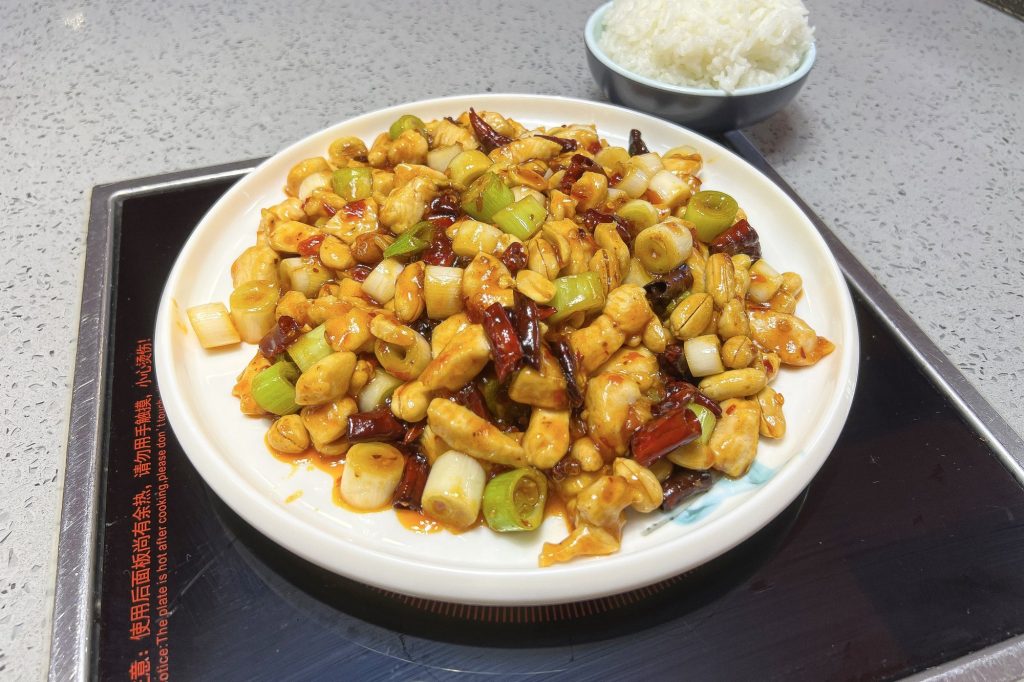
Gongbao jiding (宫保鸡丁), known abroad as Kung Pao chicken, is a Sichuan stir-fry of diced chicken with dried chilies, Sichuan peppercorn fragrance, aromatics, and crunchy peanuts. The sauce leans savory-sweet-sour rather than candy-sweet. Chicken pieces are bite-size “dice” (jiding), meant to cook quickly and stay tender.
In mainland China, especially Sichuan restaurants, the dish often looks darker and less syrupy than the bright Western takeout version many visitors grew up with. Dried red chilies appear prominently; peanuts are essential; vegetables are minimal compared with Americanized plates loaded with zucchini and bell pepper.
This guide separates Sichuan gongbao from Western Kung Pao, explains heat and numbness, and gives a calm order script so your first plate in Chengdu or a Sichuan restaurant elsewhere matches local expectations. Pair your wider chili education with mapo tofu and dan dan noodles on other meals.
Western Kung Pao vs Sichuan gongbao
Western / American Chinese Kung Pao often features:
- Larger chicken chunks
- Sweeter, thicker brown sauce
- Extra vegetables (onion, celery, bell pepper)
- Milder chili presence, sometimes optional peanuts
Sichuan gongbao jiding typically features:
- Small diced chicken
- Balanced sweet-sour-savory sauce, less sugary
- Lots of dried chilies for aroma (not all meant to be eaten whole)
- Peanuts for crunch
- Sichuan peppercorn fragrance in many authentic versions
Neither is “fake”—they evolved for different kitchens and palates. In China, order gongbao if you want the Sichuan classic; do not expect the mall-food-court sweetness of your hometown takeout by default.
What you should taste
A good plate hits several notes at once: chili aroma, light sweetness, vinegar brightness, soy savor, nutty crunch, and tender chicken. Numbing peppercorn may tingle the lips. The dried chilies flavor the oil; locals often eat around the whole pods rather than chewing every one. Peanuts should be roasted-fragrant, not stale.
If the dish tastes only sweet, you may be in a tourist-generic kitchen. If it tastes only scorched chili, the wok fire got away from the cook. The sweet spot is balance.
Peanuts, allergies, and chili pods
Peanut allergy: skip this dish. Say 我对花生过敏 (wǒ duì huāshēng guòmǐn). Cross-contact risk exists in wok kitchens even if a peanut-free request is attempted—treat it seriously.
Chilies on the plate are mostly aromatic. You can push them aside. Eating one by accident is uncomfortable, not usually dangerous for people who tolerate mild spice.
Spice customization
Ask clearly:
- 微辣 — mild
- 不辣 — not spicy (kitchen may still use a little chili for aroma)
- 少放干辣椒 — fewer dried chilies
- 不要花椒 — no Sichuan peppercorn
If you already love chili, default local seasoning is fine. First week in Sichuan? Start mild and upgrade next time. Hotpot night can wait; see Sichuan hotpot for first-timers.
Ordering script
1. Find 宫保鸡丁 (sometimes written 宫爆鸡丁).
2. Order one plate to share with rice; it is a stir-fry main, not a huge stew.
3. State spice preference.
4. Mention peanut allergy only if relevant—and then choose another dish instead.
Useful lines:
- 一份宫保鸡丁,微辣 — “One Kung Pao chicken, mild.”
- 多放花生 — “Extra peanuts” (if you love crunch and the kitchen agrees).
- 不要太甜 — “Not too sweet” (handy if you fear Westernized sugar).
QR ordering tips: Chinese restaurant QR menus for foreigners. Payments: Alipay and WeChat Pay for foreign visitors.
What to pair with it
Gongbao is salty-savory and nutty. Good partners:
- Plain rice (non-negotiable)
- A simple green vegetable
- A cold dish or light soup
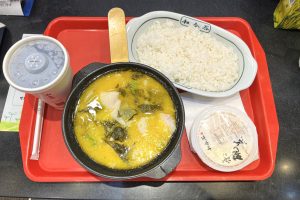
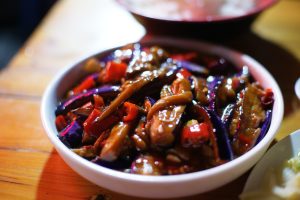
Avoid ordering three peanut-chili stir-fries in one meal. Save eggplant fish-fragrant or sour cabbage fish for another night so each classic stays clear.
Bones and chicken quality
Traditional home versions sometimes use bone-in diced chicken for flavor. Many restaurants now use boneless breast or thigh dice for convenience. If you meet small bones, eat carefully. Thigh meat stays juicier than breast; both appear.
Regional notes
Chengdu / Sichuan specialists: best place to taste the classic profile.
Nationwide Chinese restaurants: quality varies; look for visible dried chilies and peanuts on the menu photo.
Guizhou-influenced or other variants: may shift sourness or chili type; still delicious, slightly different accent.
Airport and tourist set meals: often milder and sweeter—fine fuel, weaker lesson.
Wok hei and freshness cues
Gongbao benefits from high heat. Chicken should taste freshly tossed, not stewed. Peanuts should crunch. If the dish sits under a heat lamp for a tour-group buffet, texture suffers even when flavor seasoning is correct. For a first reference plate, prefer made-to-order Sichuan restaurants over lukewarm hotel buffets.
Sauce should coat the dice lightly. A puddle of sticky syrup at the bottom is more Western-takeout behavior than Chengdu home style. You can still enjoy it—just know what you are measuring against.
Chicken cut preferences
If a server asks breast vs thigh, thigh is juicier for stir-fry dice. If nobody asks, trust the house default. Some old-school places still use chopped bone-in pieces; ask 有骨头吗? (yǒu gǔtou ma? — “Does it have bones?”) if that matters for kids or rushed eaters.
Name variants on menus
You may see 宫保鸡丁 or 宫爆鸡丁. Both point to the same famous dish in everyday restaurant use. English lines may say Kung Pao, Kung Po, Gong Bao, or “chicken with chilies and peanuts.” When photos show diced chicken, dried chilies, and peanuts, you are in the right aisle.
Avoid confusing it with 辣子鸡 (laziji), which is fried chicken buried in dried chilies with a different texture and less sweet-sour sauce logic. If the plate is mostly chili pods with fried bits, that may be laziji, not gongbao.
Drinking alongside
Plain tea, soy milk, or a non-sweet drink helps. Very sweet soft drinks amplify the sauce’s sugar. Beer appears at many tables; drink what you comfortably handle with spice. Water is always allowed—no etiquette prize for suffering.
Holiday crowds
During Mid-Autumn (Friday 25 September 2026, roughly 25–27 September) and Golden Week (1–7 October 2026, makeup days 20 September and 10 October per 国办发明电〔2025〕7号), popular Sichuan restaurants book out. Reserve, go early, or choose a neighborhood spot. The recipe does not holiday-morph; the queue does.
Common first-timer mistakes
- Expecting American takeout sweetness and calling the Sichuan plate “wrong.”
- Eating every dried chili pod like a vegetable side.
- Ordering without rice.
- Ignoring a peanut allergy because “it looks like just chicken.”
- Comparing it only to orange chicken—different dish family.
Solo diners vs shared tables
Solo, order gongbao plus rice plus one vegetable—enough without waste. For two people, one gongbao can be the protein centerpiece beside another main. For four, one plate is a shared accent, not the only meat; add tofu or fish so the table does not chase a single stir-fry.
If you loved Western Kung Pao and feel disappointed, try a second Sichuan restaurant before giving up. House styles differ more than chain burgers do.
A two-night tasting plan
Night one: mild gongbao jiding with greens and rice. Night two: mapo tofu or dan dan noodles to feel mala paste and noodle spice formats. Night three: hotpot if you still want fire. That ladder teaches Sichuan better than one chaotic max-spice dinner.
Bottom line
Order 宫保鸡丁, keep peanuts in mind, push aside whole chilies you do not want to chew, and judge the dish on balance—not on childhood takeout memory. Sichuan Kung Pao chicken is quick, shareable, and one of the clearest introductions to real wok cooking in China.