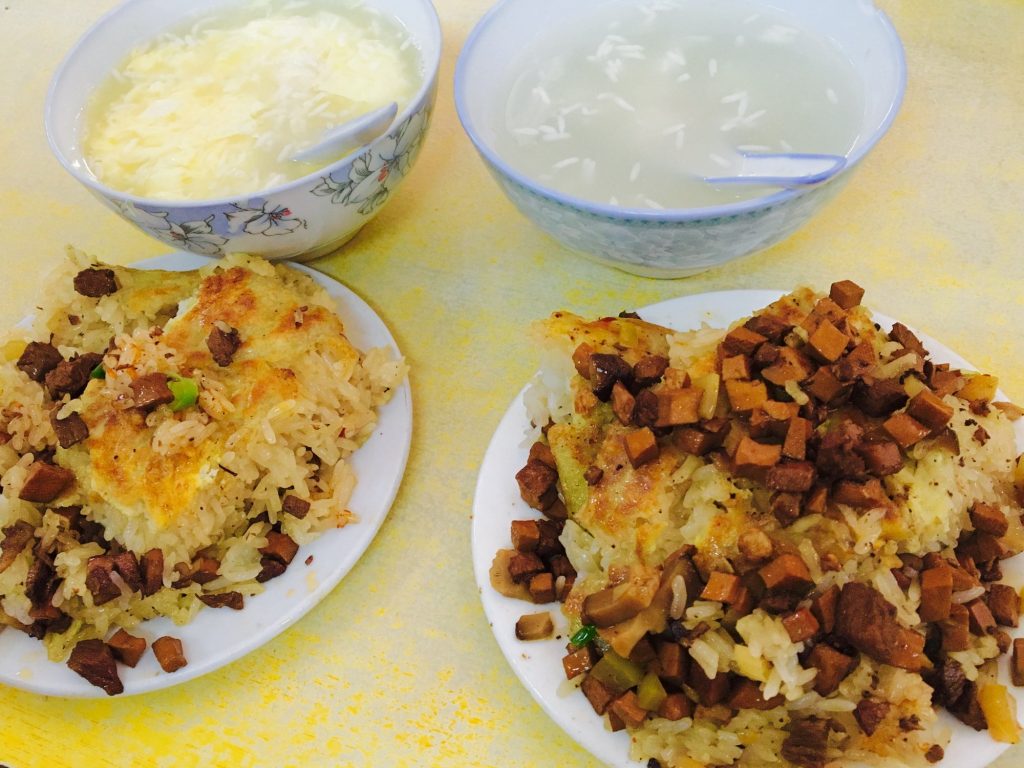
What doupi actually is
Doupi—豆皮 (dòupí)—is a Hubei breakfast classic most famous in Wuhan: a savory pan-cooked sheet made with an egg-and-rice (and often soy-milk or batter) base, filled with sticky rice, minced meat, mushrooms, and sometimes other savory bits, then cut into squares you eat with chopsticks or a fork-spoon combo depending on the shop.
It is not a sweet French crepe and not a thin Shandong jianbing by another name. Doupi is thicker, richer, and designed as a filling breakfast plate. English menus may say “doupi,” “tofu skin” (a confusing mistranslation), or “egg rice crepe.” Ignore “tofu skin” unless you also see 豆皮 in a Wuhan breakfast context—the characters matter.
This guide helps English-speaking travelers and expats order a first plate without mixing it up with other egg crepes, and situates it beside Wuhan’s other morning icons.
How it should taste and feel
Expect:
- A golden, slightly crisp exterior with a soft, savory interior
- Sticky rice that makes the filling hearty
- Minced meat and mushroom savoriness rather than sugar
- Squares that hold together until you bite—then yield
Oil level is real; this is pan food. A good plate tastes eggy-savory and aromatic, not greasy-stale. Eat it hot. Lukewarm doupi loses the contrast between edge and filling.
If you are exploring Wuhan breakfast beyond the famous hot dry noodles, doupi is one of the essential second stops—see our wider Wuhan breakfast beyond hot dry noodles overview for how locals build a morning crawl.
Where you will find it
- Wuhan breakfast shops and snack halls
- Hubei restaurants in other cities
- Some food courts with regional stalls
Morning is the natural window. Lunch service exists in busy shops, but doupi’s cultural home is breakfast. If a tourist night market offers something labeled doupi late at night, check freshness and oil—breakfast specialists are usually safer for a first try. For general first-month caution, skim street food safety.
Ordering: what to say
Point at 豆皮 or the photo of cut squares. Useful lines:
- 来一份豆皮 — one serving of doupi
- 两份豆皮 — two servings (sharing or very hungry)
- 不要香菜 — no cilantro if a garnish appears
- 打包 — takeaway (texture drops, but possible)
Spice is usually mild compared with Sichuan breakfast noodles. Table chili or pickled vegetables may appear on the side—add after tasting.
If the shop uses a QR queue ticket, the same phrases work in the note field—QR menu guide.
A calm first-timer script
1. Enter a busy breakfast shop where you see locals eating cut squares with chopsticks.
2. Order 一份豆皮.
3. Add a drink: soy milk (豆浆) is a classic partner; some people add hot dry noodles as a second plate if appetite allows.
4. Sit, wait for the fresh pan run if they cook to order.
5. Eat while hot; do not “save it for later” on the table.
6. Pay by scan code—Alipay / WeChat Pay.
Pocket line: 来一份豆皮,再来一杯豆浆。
What to pair with it
Classic Wuhan morning combinations vary by appetite:
- Doupi + soy milk
- Doupi + hot dry noodles (ambitious)
- Doupi + a light porridge if you want contrast
Doupi alone can fill a solo traveler. Tourists sometimes over-order because everything looks inexpensive and fragrant—start with one plate.
It does not need Sichuan chili logic. Keep your spice adventures for dinner dishes like shuizhu yu and let breakfast stay savory-comfort.
Doupi vs other Chinese “crepes”
- Jianbing: thinner egg crepe, often with crisp cracker, from other northern/street traditions—different build.
- Danbing / egg pancakes: vary widely; not automatically Hubei doupi.
- Stuffed sticky-rice rolls: related breakfast energy, different wrapper.
When the sign says 武汉豆皮 or 三鲜豆皮, you are in the right family. 三鲜 often signals a “three delicacies” savory filling style—meat and mushroom forward.
Etiquette and practical tips
- Casual shop manners: share tables at peak hour if staff seat you that way.
- No tipping—tipping guide.
- Chopsticks are standard; ask for a fork only if you need it—shops may or may not have one.
- Cut squares can be shared family-style; take from your side of the plate.
- Peak breakfast rush means faster turnover—order decisively.
Common first-timer mistakes
- Translating 豆皮 as literal tofu skin and ordering the wrong item.
- Letting it go cold while photographing every square.
- Ordering three Wuhan breakfast classics for one stomach on day one.
- Expecting a sweet dessert crepe.
- Visiting only once at a tourist stall and deciding the whole genre is greasy—try a busy local breakfast hall.
Regional notes outside Hubei
Hubei restaurants in Beijing, Shanghai, Guangzhou, and other hubs often serve decent doupi, sometimes all day. Texture and filling ratios vary. Wuhan remains the emotional hometown. If you are only passing through Wuhan for a train connection, a station-adjacent breakfast shop can still deliver a fair introduction—follow the crowds of office workers rather than the emptiest English sign.
Diet notes
Doupi fillings usually include meat. Vegetarian versions are not guaranteed; ask 有没有素的豆皮? and be ready for “no.” Egg is typically part of the wrapper system—egg-free requests are difficult. If you avoid pork, ask what meat is used (是什么肉?) because minced pork is common.
Watching it cooked (when you can)
In some Wuhan shops you can see the batter hit a wide pan, the filling go on, and the sheet fold or finish before it is cut. That visibility is useful: you learn it is a cooked breakfast, not a cold pastry. If the station is hidden in the back, judge instead by turnover—plates leaving the window every few minutes beat a lonely tray under a heat lamp.
The cut matters culturally as well as practically. Squares make sharing easy and portions obvious. If your plate arrives uncut, ask staff to cut it (可以切开吗?) or divide it yourself carefully so the filling does not spill everywhere.
Building a Wuhan breakfast without chaos
A calm progression for visitors:
1. Day one: hot dry noodles OR doupi—not necessarily both in giant portions.
2. Day two: add the one you skipped, plus soy milk.
3. Day three: explore other Hubei snacks once you know your appetite.
Tourist checklists encourage ordering everything at once. Your stomach does not care about checklists. Doupi is dense; treat it with respect.
If you are only in Wuhan for a morning transfer, prioritize a busy shop near locals’ offices rather than the most decorated tourist front. Speed, heat, and turnover usually beat décor.
Language extras that help
- 三鲜豆皮 — “three delicacies” doupi style, common on signs
- 热的 — hot (confirm it is fresh-hot)
- 少油 — less oil (may or may not be possible)
- 再来一份 — another serving if the first vanished too fast
Photo the Chinese name the first time you succeed. Future you in another city will thank present you when a Hubei restaurant appears on a random corner.
Texture troubleshooting
Too greasy: blot lightly with a napkin, eat with soy milk, and choose a busier shop next time. Too dry or dense: it may have sat; look for made-to-order pans. Filling sparse: try another brand or hall—filling ratios are a cook’s signature. None of these problems require chili oil as a “fix”; they require a better shop or a fresher plate.
How doupi fits a longer China trip
After weeks of hotel bread or coffee-shop muffins, doupi reminds you that Chinese breakfast can be savory, hot, and regional. It also teaches a useful travel habit: follow morning crowds. The same instinct helps with Guilin rice noodles and other breakfast bowls nationwide. Learn one city’s morning code, and the next city becomes less opaque.
Bottom line
Order one hot 豆皮, pair it with soy milk, and eat it as Wuhan does: early, savory, and without overthinking. Learn the characters once and you can spot the dish on breakfast boards across China. It is one of Hubei’s friendliest ambassadors—hearty, shareable in squares, and deeply local without requiring chili courage.