The taxi hits the bridge over the Yong River just as the evening lights flicker on. To the left, a string of lanterns marks the old quarter; to the right, glass towers reflect the water like a second skyline. Steam rises from a roadside stall where a woman flips rice noodles in a blackened wok, the smell of fermented bean paste and chili oil cutting through the humid air. This is the first breath of Nanning — warm, loud, and unapologetically alive.
Arriving and Getting Oriented
Most visitors land at Wuxu International Airport, about thirty kilometers south of the center. The airport metro line deposits you at Nanning East Railway Station in twenty minutes, but the real pulse of the city beats along Zhongshan Road and the alleys behind Chaoyang Road. If you arrive by high‑speed rail, you’ll step out into a plaza that feels more like a shopping mall forecourt than a transport hub. Grab a shared bike — the orange Meituan ones are everywhere — and pedal toward the river. The bike lanes are wide, the traffic surprisingly patient, and within ten minutes you’ll understand the city’s layout: a grid of broad boulevards stitched together by narrow lanes that hide the best food.
Language on the Street
Mandarin works everywhere, but you’ll hear Cantonese in the older blocks around Yongzhou Ancient City and Pinghua in the outer villages. Zhuang, the language of the region’s largest minority, surfaces on bilingual signs and in the chatter of market vendors. A handful of phrases earns instant goodwill: “maai dan” (check, please) in Cantonese, “ho hou” (very good) in Zhuang, and the universal “xie xie” delivered with a smile. Menus in neighborhood joints rarely have pictures. Point at what the table next to you is eating, hold up fingers for quantity, and the server will nod. If you’re stuck, the translation app on your phone reads the characters aloud well enough to order a bowl of noodles and a cold beer.
Eating Like a Local
Breakfast starts early. Plastic stools fill the sidewalks outside steaming vats of rice‑noodle soup. The broth is clear, scented with star anise and dried shrimp, poured over thin white strands and topped with pickled mustard greens, crushed peanuts, and a spoonful of chili paste you stir in yourself. By mid‑morning the crowd shifts to dim sum carts — bamboo steamers stacked with shrimp dumplings, pork buns, and sticky rice wrapped in lotus leaf. Lunch is often a quick bowl of “luosifen,” the famous river‑snail noodles. The broth smells funky at first — fermented bamboo shoots, river snail stock, black vinegar — but the first sip reveals layers of sour, spicy, and umami that linger for hours. Dinner spreads across round tables: whole steamed fish with ginger and scallion, stir‑fried water spinach with fermented tofu, and a clay‑pot rice crisped at the bottom.
- Breakfast bowl: rice noodles, clear pork‑bone broth, pickled mustard greens, roasted peanuts, chili oil, cilantro.
- Luosifen kit (home version): dried rice noodles, snail‑stock concentrate, fermented bamboo shoots, pickled long beans, wood‑ear fungus, fried tofu skin, chili oil, vinegar.
- Clay‑pot rice: jasmine rice, lap cheong (Chinese sausage), salted fish, cured pork belly, soy sauce, scallions.
Steps for luosifen at home:
- Soak dried noodles in hot water until pliable, about eight minutes.
- Boil the concentrate with two cups water; add bamboo shoots and simmer three minutes.
- Drop noodles in, cook one minute, then transfer to a deep bowl.
- Top with pickled beans, wood‑ear, fried tofu skin, a drizzle of chili oil, and a splash of vinegar.
- Eat immediately while the broth is scalding.
In restaurants, order by dish name, not number. Ask for “bu yao la” if you want less heat, but know the kitchen may still send a chili mountain. A common rookie move: skipping the vinegar. That splash of black vinegar balances the funk and lifts the whole bowl. Another mistake — drinking the broth first. Locals mix everything, noodles and solids, then sip the seasoned liquid at the end.
Moving Around the City
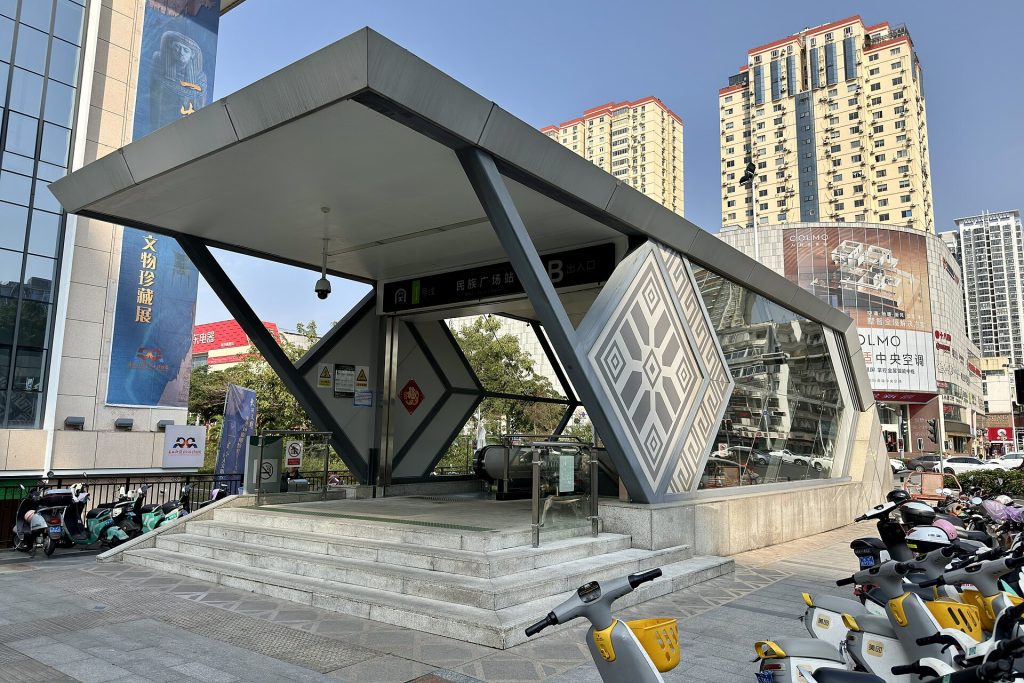
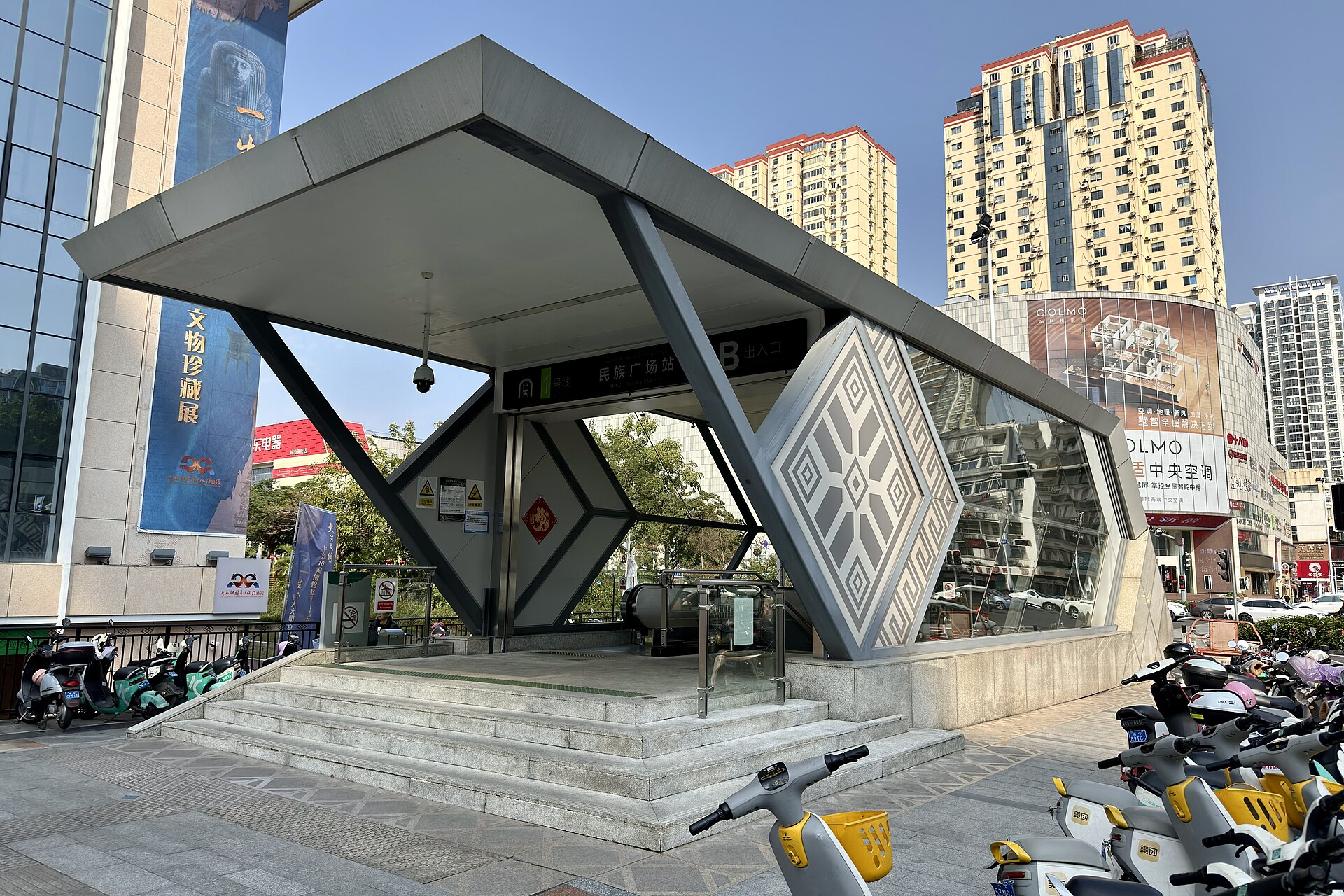
The metro has three lines that cover the main arteries. Trains run from six in the morning until eleven at night, clean and air‑conditioned. Buses reach the neighborhoods the subway misses; pay with a tap of your phone or a transit card bought at any station kiosk. Taxis are cheap by international standards, but drivers rarely speak English. Have your destination written in characters or pinned on a map app. The shared bikes are the fastest way to cross the center during rush hour — unlock with a QR scan, park inside the painted boxes, and you’re done. If you venture to the outskirts for the Zhuang villages or the Detian waterfalls, hire a driver for the day. The mountain roads twist sharply, and signage switches to Zhuang script fast.
Green Spaces and Night Markets
People’s Park fills at dawn with tai chi circles, ballroom dancers, and grandparents flying kites shaped like centipedes. By late afternoon the paths empty out, leaving the lake to herons and the occasional paddle boat. Qingxiu Mountain, a short ride east, offers paved trails through bamboo groves and a pagoda that frames the city skyline. Come down before dark and head to the night market along Minzu Avenue. Stalls sell grilled squid on skewers, mango sticky rice in banana leaves, and piles of fresh lychee in season. The crowd is mixed — students, families, couples sharing a plastic cup of herbal tea. Find a stool, order a plate of charcoal‑grilled oysters brushed with garlic and fermented black bean, and watch the neon reflect off the wet pavement.
Day Trips and Border Runs
Nanning sits two hours by bullet train from the Vietnam border at Pingxiang. The Friendship Pass gate opens early; a visa on arrival for Vietnam is possible for many passports, but check the latest rules before you go. Closer to town, the ancient town of Yangmei keeps its Ming‑dynasty lanes intact — stone arches, ancestral halls, and a riverfront where women still wash clothes on flat rocks. Buses leave from Jiangnan Station every half hour. For the karst scenery Guangxi is famous for, take the high‑speed train to Guilin (ninety minutes) and connect to Yangshuo. But if you only have a day, the Damingshan mountain reserve north of the city delivers cloud forests, waterfalls, and a cable car that climbs above the tree line. Pack a rain jacket; the mist rolls in without warning.
What Newcomers Get Wrong
Assuming the city shuts down after ten. The night markets, barbecue alleys, and karaoke boxes run until the first metro train. Dressing for “tropical” in winter — January mornings can dip to single digits with a damp chill that seeps through light jackets. Ignoring the humidity. A cotton shirt stays wet all day; quick‑dry synthetics or linen survive the sweat. Trying to hail a cab on a rainy Friday evening. Open the ride‑hailing app instead; the surge price beats standing in puddles. And finally, skipping the morning noodle stall because the plastic stool looks flimsy. That stool is where the city wakes up, where the broth remembers every hand that stirred it, and where you’ll taste Nanning before you’ve even learned its name.