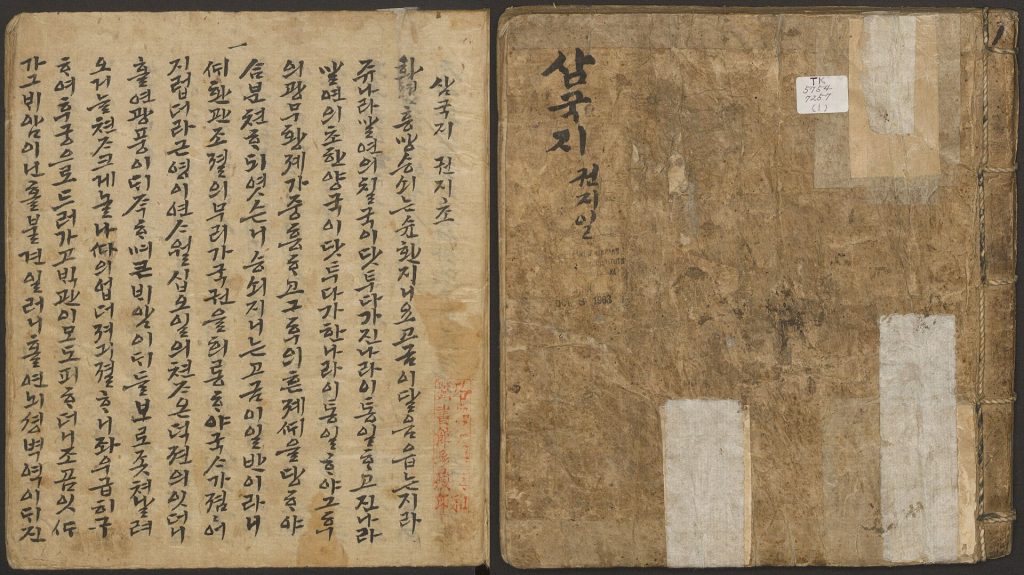
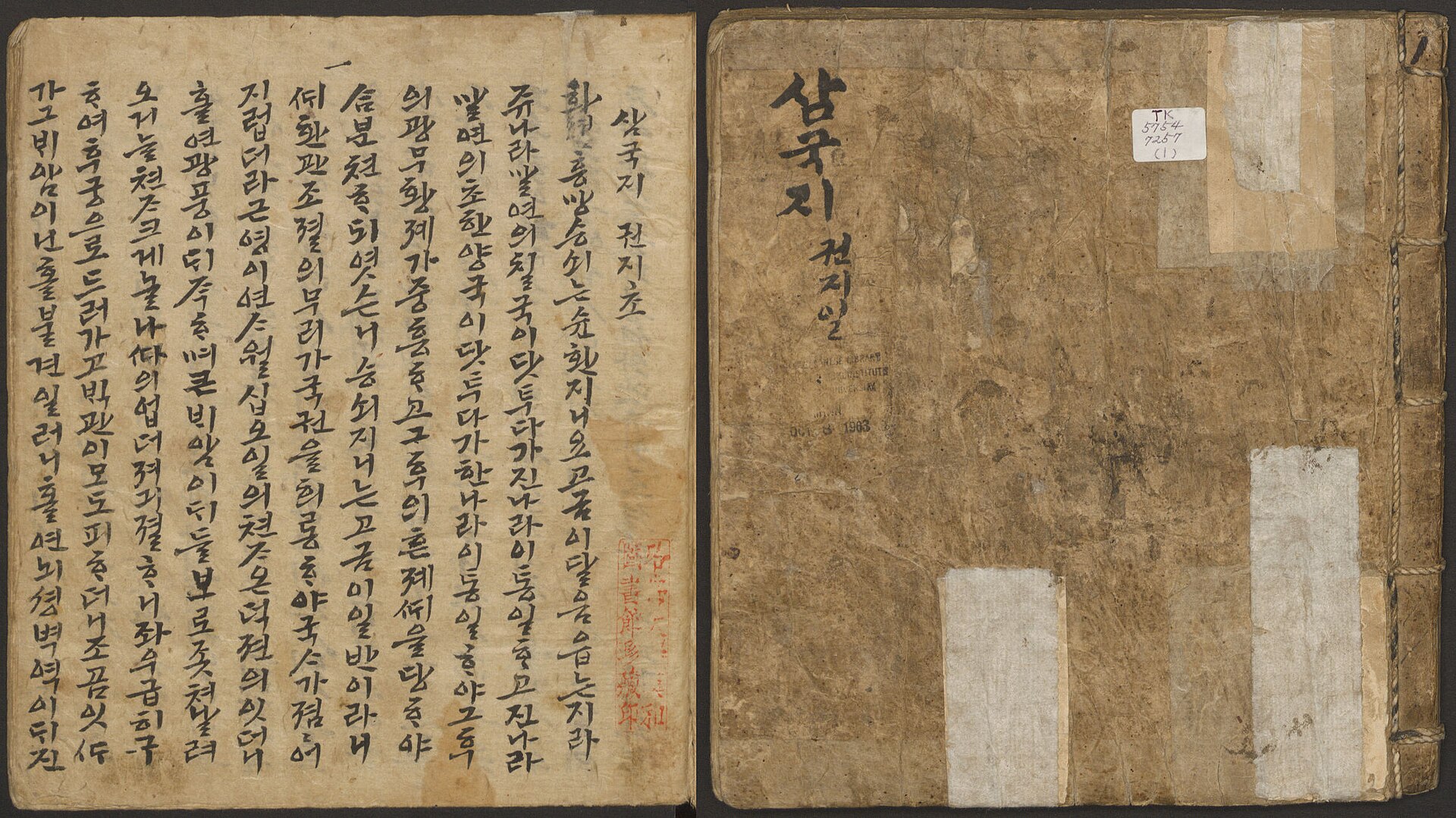
The rain had turned the flagstones of the Wuhou Shrine in Chengdu slick with moss. I stood under the eaves of the Liu Bei Hall, watching an old man trace his fingers over the stone stele recording the “Chu Shi Biao”—the memorial Zhuge Liang wrote before marching north. He wasn’t reading the characters; he was touching them, like a prayer. A tour group shuffled past, snapping photos of the gilded statues, but he stayed, murmuring the lines about loyalty and the late emperor’s trust. That moment—rain dripping from curved tiles, the smell of sandalwood incense, a stranger communing with a 14th-century novel—is where the book actually lives in China. Not in libraries. In the air.
The novel is a shared language, not just a story
Chinese people don’t treat Romance of the Three Kingdoms as required reading. They treat it as cultural oxygen. Taxi drivers quote Cao Cao’s line about “letting the world down rather than the world letting me down” when traffic stalls. Middle-school kids debate whether Guan Yu’s spirit really guarded the pass at Huarong. My landlord in Xi’an once refused a rent increase because “Liu Bei would not exploit a tenant.” The novel’s 120 chapters and nearly thousand characters have furnished the vocabulary for loyalty, betrayal, strategy, and brotherhood for six centuries. If you recognize the names—Liu Bei, Cao Cao, Sun Quan, Zhuge Liang, Guan Yu, Zhang Fei—you hold a skeleton key to Chinese conversation. You don’t need to have read all 800,000 words. You need to know the beats.
Where the paper meets the ground
The novel’s geography is real, and visiting those places changes the reading. In the autumn mist at Red Cliffs (Chibi) near Wuhan, you can see why Zhou Yu chose fire ships—the river narrows, the wind funnels east. At the Ancient City of Jingzhou, the reconstructed gates sit on rammed-earth foundations where Guan Yu lost his head through overconfidence. Wuzhang Plains outside Baoji still show the star-shaped camp layout Zhuge Liang designed; farmers turn up bronze arrowheads when they plow. The most visceral site is the Temple of Marquis Wu in Mianyang, Sichuan. Unlike the grand Chengdu shrine, this one sits in a walnut grove where the strategist actually drilled troops. Stone stelae record his “Eight Formation Diagram.” When the wind moves through the trees, the shadows shift like deploying battalions.
How to enter the story without drowning
Don’t start with the Moss Roberts translation unless you have a long winter and a strong coffee habit. Begin with the 2010 television series Three Kingdoms—95 episodes, subtitled, historically tighter than the novel. Watch the first ten episodes; they cover the Yellow Turban Rebellion, the coalition against Dong Zhuo, and the oath in the peach garden. That oath—three men swearing to die the same day—is the emotional anchor. Next, read the graphic novel adaptation by Lee Chi Ching. His brushwork renders the Battle of Guandu as kinetic panels you can finish on a high-speed train ride. Finally, keep a pocket character map: the three kingdoms (Shu, Wei, Wu), the five tiger generals, the two strategists (Zhuge Liang, Sima Yi). When someone mentions “borrowing arrows with straw boats,” you’ll know it’s Zhuge Liang fog-harvesting enemy missiles, not a logistics trick.
Rituals you will stumble into
Guan Yu has become a god of wealth, war, and loyalty. Every police station, restaurant kitchen, and long-haul truck cab displays his red-faced statue holding a green dragon crescent blade. On the thirteenth day of the fifth lunar month—his festival—shop owners lay out whole roast pigs, rice wine, and incense coils that burn for hours. If you’re invited to a business banquet that night, pour a cup of baijiu toward the statue before you drink. It isn’t superstition; it’s signaling you understand the contract of trust. During the spring Qingming festival, families visit the tomb of Liu Bei in Chengdu’s Wuhou Shrine complex. They burn paper money shaped like ingots and whisper updates: “The grandson passed the gaokao. The factory expanded.” The dead are still stakeholders.
What newcomers get wrong
- Assuming Cao Cao is the villain. The novel paints him ruthless, but history respects him as a poet, administrator, and unifier. Chinese audiences admire his competence. Call him a traitor and you’ll lose face with anyone who’s memorized his “Short Song Style” poem.
- Thinking Zhuge Liang is a wizard. The “empty fort strategy” and “borrowing arrows” are literary flourishes. His real genius was logistics—feeding 100,000 troops in barren mountains for years. Ask a Sichuan farmer about “Zhuge Liang’s rice” and they’ll show you the terraced paddies he engineered.
- Treating the oath in the peach garden as mere symbolism. In Chinese culture, sworn brotherhood (jie bai) creates obligations stronger than legal contracts. I’ve seen business partnerships dissolve because one partner “broke the peach-garden trust.”
- Skipping the Wu kingdom. Sun Quan’s eastern realm feels like a side quest in the novel, but the Jiangnan water towns—Suzhou, Hangzhou, Nanjing—were Wu’s economic engine. The novel’s bias toward Shu Han obscures the fact that Wu outlasted both rivals.
- Expecting a clean ending. The Sima clan usurps Wei, conquers Shu, then Wu. The last chapter reads like a sigh: “The empire, long divided, must unite; long united, must divide.” There is no triumph, only cycle. That worldview—history as rotation, not progress—is the novel’s final lesson.
Carry one scene with you
Late summer in a Chengdu teahouse. An elderly storyteller in a silk jacket taps a sandalwood block. The crowd—students, retirees, a couple with a toddler—leans in. He describes Zhang Fei roaring at Dangyang Bridge, his voice shaking the river, terrifying a million soldiers. The teller pauses, sips tea, and the silence stretches. Then he whispers the next line: “But the bridge was already burning.” The audience exhales as one. That collective breath—knowing the ending, needing the telling anyway—is the novel’s true territory. You don’t visit it. You join it.