The minibus from Chengdu had been climbing for nine hours when the driver downshifted, the engine growling against a hairpin bend. Through the windshield, a wall of gray stone rose from the valley floor, its crenellations sharp against a sky the color of washed denim. We rolled through the north gate just as a drizzle began to stipple the windshield, the tires hissing on wet cobblestones. A woman in a wool apron stood under a red lantern, waving us toward a courtyard guesthouse where the smell of yak butter tea and woodsmoke drifted from the kitchen. That first breath — cold, salty, faintly smoky — is what Songpan tastes like.
Getting There Without Losing a Day
Most travelers arrive by road. The direct bus from Chengdu’s Chadianzi Station leaves before dawn and pulls into the north‑end station around mid‑afternoon, assuming the mountain passes stay clear. In winter, ice on the Erlang Shan tunnel can add two hours; in summer, landslides sometimes force a detour through Maoxian. If you are coming from Jiuzhaigou or Huanglong, the morning minibuses leave their park gates at 7:30 and 8:00, dropping you at the same dusty lot beside the city wall. From Xiahe in Gansu, the route runs through Hezuo and over the Dangba Pass — spectacular, but only reliable when the snow has melted.
Flying into Jiuzhai Huanglong Airport saves the road grind, but the airport sits 90 minutes south of town by taxi. Drivers wait in a loose line outside arrivals; agree on a flat fare before the trunk closes. A shared van runs when enough passengers gather, usually around noon, but the schedule is unwritten — ask the information desk to radio the dispatcher.
Moving Inside the Walls
The old town fits inside a rectangle you can walk in twenty minutes. Cobblestones are uneven and slick after rain; wear shoes with grip. Tricycle taxis cluster at each gate — flag one by raising a hand, not by shouting. A ride from the north gate to the south gate costs a few yuan; the driver will quote double if he hears a foreign accent. For day trips to the grasslands or Tibetan villages, motorbike taxis wait near the west gate. Negotiate the return time before you climb on; the driver often has a second fare waiting and will leave you at the monastery gate if you are late.
What to See Before the Crowds Wake
The city wall is the main draw. The sections rebuilt in the 1990s look crisp, but the original Ming‑dynasty bricks — pocked, moss‑green, fitted without mortar — survive in stretches near the east and south gates. Climb the stairway at the north gate at first light; the watchtower frames the Min River valley and, on a clear morning, the snow line of Xuebaoding. Inside the walls, the former Confucian temple now holds a small museum of horse‑teapots and Qing‑era tax ledgers. It takes twenty minutes.
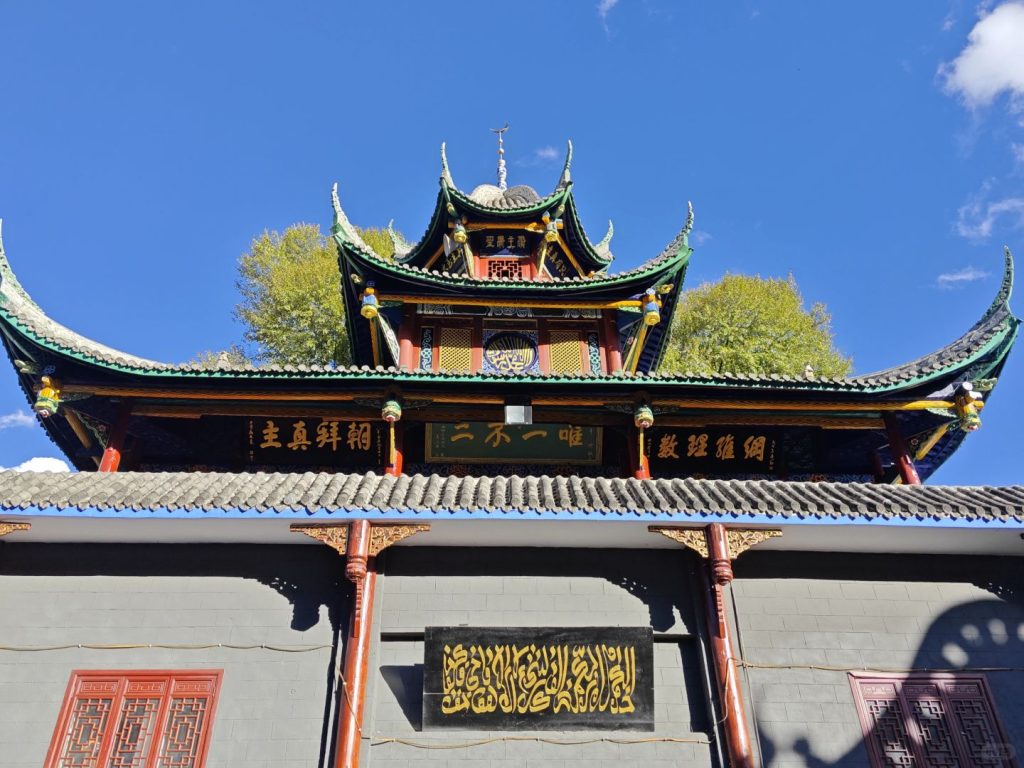
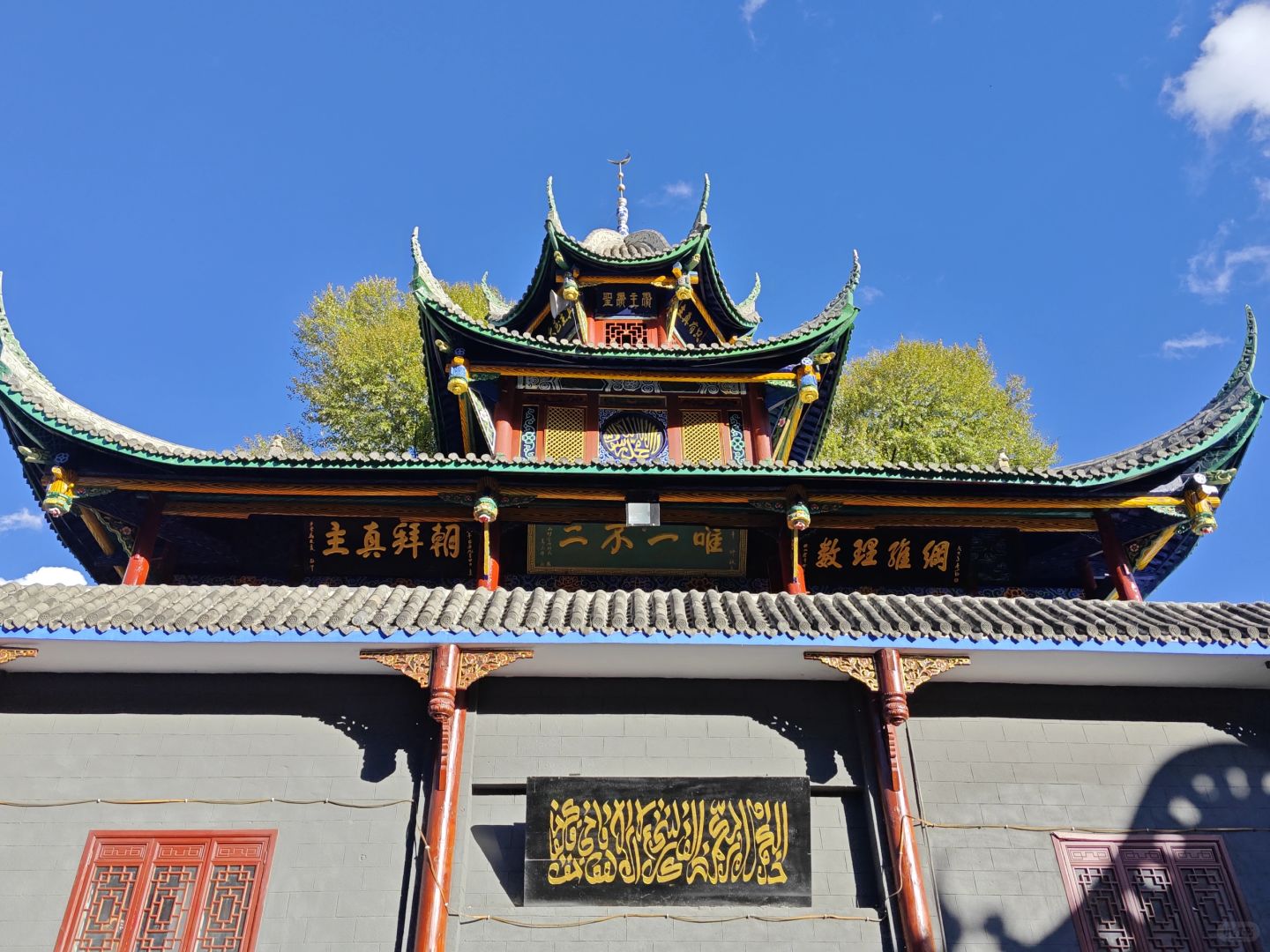
Walk west along the main lane past the souvenir stalls selling plastic prayer wheels. Turn left at the stone archway into the Muslim quarter, where the mosque’s minaret leans over a courtyard of drying chilies. The imam welcomes visitors who remove their shoes and speak quietly. Behind the mosque, a narrow alley opens onto a family-run noodle shop — hand‑pulled wheat strands in beef broth with a spoonful of chili oil. That bowl, eaten standing at a wooden counter, is the best breakfast in town.
Day Trips That Don’t Feel Like a Checklist
Songpan’s real value is as a launchpad. The grasslands of Hongyuan lie two hours north by hired SUV; the road climbs through pine forest into open meadow where yaks graze beside black‑tented nomad camps. Ask your guesthouse owner to call a driver they trust — most have a cousin or neighbor with a four‑wheel drive. Agree on a price that includes waiting time; the driver will otherwise drop you at the viewpoint and vanish.
For a shorter loop, ride a horse from the west gate to Muni Gorge. The trail follows the Min River through rhododendron thickets that bloom in late spring. The gorge ends at a waterfall that freezes into a blue column in deep winter. Bring water and a wind layer; the temperature drops ten degrees once you leave the valley floor. If you prefer wheels, a shared minibus to Huanglong National Park leaves the north station at 7:00 — arrive early for a seat.
Eating and Sleeping Like a Local
Guesthouses cluster near the south gate. Look for a courtyard with a wood‑burning stove in the common room; the heat rises through the floorboards at night. Rooms are basic — thin mattress, shared squat toilet, hot water only after 8 p.m. when the boiler fires. Pay cash; WeChat QR codes often fail in the mountain signal shadow.
Dinner revolves around the hotpot. A copper pot sits on a charcoal brazier; the broth is clear, scented with Sichuan peppercorn, ginger, and dried tangerine peel. You order raw slices of yak beef, lotus root, potato, and a handful of wild mushroom the hostess foraged that morning. Dip cooked pieces in a sauce of sesame paste, garlic, cilantro, and a drop of vinegar. Eat slowly — the altitude makes digestion lazy.
- Yak beef — paper‑thin, deep red, slightly sweet
- Lotus root — crisp, holds the broth
- Potato — peeled, cut into thick coins
- Wild mushroom —松茸 if in season, otherwise shiitake
- Broth base — water, Sichuan peppercorn, ginger slices, dried tangerine peel, salt
- Dipping sauce — sesame paste, minced garlic, chopped cilantro, light soy, vinegar, chili oil
To replicate at home: simmer the broth ingredients for thirty minutes. Slice the beef against the grain while the liquid heats. Blanch vegetables for thirty seconds, then the beef for ten. Mix the dipping sauce in a small bowl. Serve with steamed mantou buns to soak the last drops.
Mistakes That Cost Time and Money
First, assuming the bus station is near your guesthouse. The north‑end station is a kilometer from the south gate — uphill with luggage. Book a tricycle in advance or ask the hostel to meet you. Second, buying “antique” silver jewelry from the stall keepers at the east gate; the hallmarks are stamped in a workshop outside Chengdu. Third, skipping altitude precautions. Songpan sits at 2,850 meters. Headaches hit the second night. Drink water, avoid alcohol the first evening, and carry ibuprofen. Fourth, expecting English menus. Point, smile, and learn the characters for beef (牛肉), noodles (面), and tea (茶). Fifth, planning a tight return to Chengdu on the last afternoon bus. If a rockfall closes the pass, you sleep in the station. Build a buffer day.
When the drizzle stopped that first evening, I climbed the south gate tower alone. The wall stretched east and west, a dark spine against the last light. Below, an old man turned a prayer wheel, the mantras clicking like a slow clock. No tour group, no loudspeaker, just the river’s low roar and the smell of pine smoke. That quiet moment — unscripted, unhurried — is why people come back.