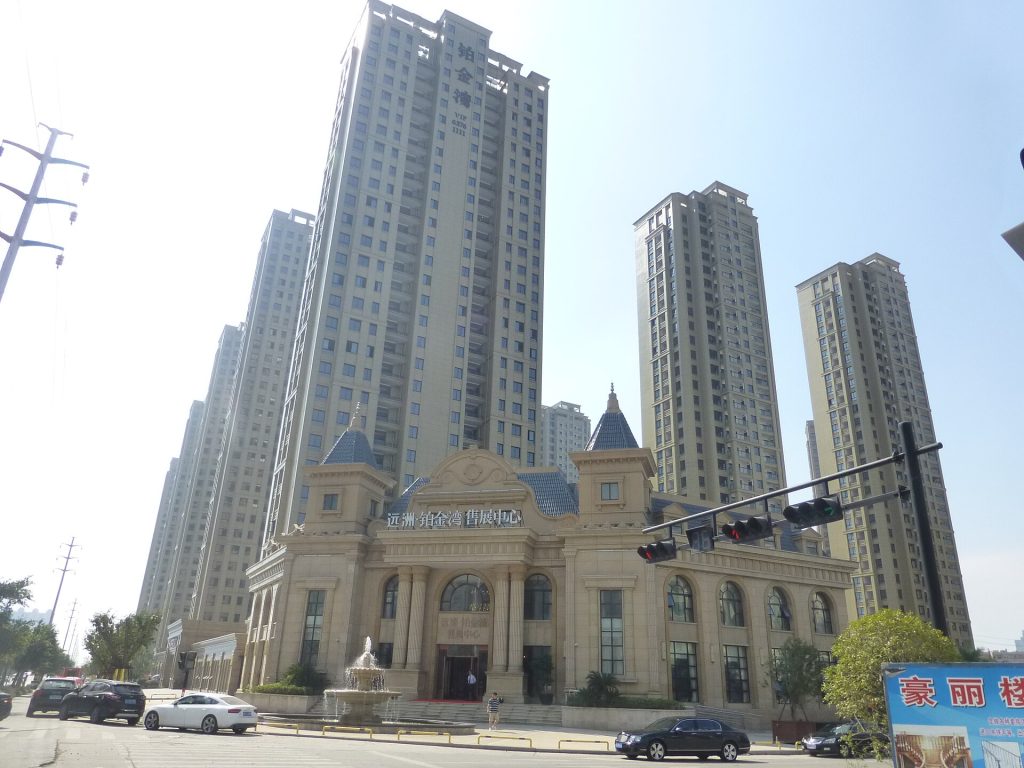
The minibus from Wenzhou South deposits you at the single intersection where the main road bends toward the river. No station building, just a row of plastic chairs bolted to concrete and a vendor peeling pomelos into zip-lock bags. Across the street, a three-wheeled cart stacks crates of live mud crabs beside a pyramid of green onions. The air smells of brine, diesel, and the sweet smoke of osmanthus cakes frying in lard. You have arrived in Aojiang.
Getting There Without a Schedule
There is no high-speed rail platform in town and no airport code to memorize. Most travelers catch the shuttle bus that leaves from the forecourt of Wenzhou South railway station. The ride takes about forty minutes and costs a few yuan; the driver shouts the destination through the open door rather than consulting a timetable. Buses run until the last train passengers have cleared the platform, so late arrivals are rarely stranded. If you prefer a private car, the ride-hailing apps work fine, but drivers often cancel when they see the pickup pin drop in the industrial fringe. A surer bet is to walk to the official taxi queue at the station and show the characters 鳌江 on your phone.
Moving Around the Grid
Aojiang sits on a tidy rectangle of streets that parallel the river. The central artery, Riverside Avenue, carries the heaviest traffic — trucks hauling shoe molds, electric scooters weaving between them, and the occasional hand-pulled cart stacked with dried fish. Cross streets are numbered rather than named, which makes navigation straightforward once you grasp the logic: odd numbers run toward the water, even numbers climb toward the hills. Shared e-bikes cluster near the bus stop and the larger factories; scan the QR code on the handlebar and you can drop the bike at any designated rack. For short hops, the three-wheeled “sanlunche” drivers wait under the banyan trees by the market. Agree on a price before you sit down; a ride across the core district usually costs the equivalent of a bottle of tea.
Where to Sleep Without Booking Platforms
International booking sites show only a handful of chain hotels on the outskirts. The better option for a first-timer is to walk the blocks behind the riverfront plaza after sunset. Family-run guesthouses hang hand-painted signs in red lantern light — look for the character 住 above a narrow staircase. Rooms are basic: tiled floor, air-conditioner bolted to the wall, hot water that runs strong after the evening rush. Proprietors rarely speak English, but they understand a phone translation app and a polite smile. Pay cash at check-in; a deposit of one night’s rate is normal. If you arrive during the Mid-Autumn festival or the winter solstice, rooms vanish quickly, so secure a bed before the lanterns go up.
Eating Like a Local at Noon
The midday rush centers on the alley behind the old supply-and-marketing cooperative. Steam rises from a row of woks where cooks toss rice noodles with shredded pork, pickled mustard greens, and a splash of fermented bean sauce. Order by pointing: one bowl “dry” (gan) or “soupy” (tang). The dry version arrives glossy, each strand coated in amber oil; the soupy version floats in a milky broth fortified with dried shrimp and a dash of white pepper. Side dishes appear on lazy Susans — cold jellyfish threads tossed with vinegar and sesame, steamed oysters doused in garlic-soy glaze, and a plate of stir-fried river clams that snap open at the touch of chopsticks. Eat fast; the lunch crowd turns tables in twenty minutes.
- Rice noodles — fresh, hand-cut, about the width of a matchstick
- Fermented bean sauce — salty, funky, the soul of the dish
- Pickled mustard greens — crisp, sour, cut the richness
- Dried shrimp — tiny, pink, crushed between fingers before scattering
- River clams — live until the wok, sweet meat, briny liquor
To replicate the bowl at home, soak the noodles in warm water for three minutes, drain, then flash-fry in a screaming-hot wok with a spoonful of lard. Add the bean sauce first, then the greens, then a splash of stock. Toss until the sauce clings. Finish with a handful of crushed dried shrimp and a drizzle of sesame oil. The common beginner mistake is boiling the noodles; they turn to paste. Another error: skipping the lard. Vegetable oil lacks the mouthfeel that makes the dish cling to the bowl.
Evening Rituals on the Riverbank
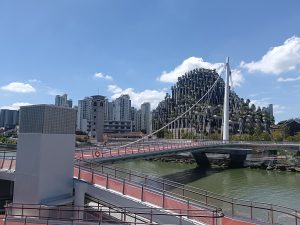
When the factory sirens blow at six, the promenade fills. Retirees practice tai chi beneath the statue of the mythical turtle that gives the town its name. Couples share skewers of grilled squid brushed with chili-honey glaze. Children chase bubbles blown from plastic wands. Find a plastic stool at the pop-up barbecue stall where the owner fans charcoal with a cardboard sheet. Order “three treasures” — pork belly cubes, chicken gizzards, and tofu skin rolls — and a bottle of the local rice wine served warm in a ceramic jug. The wine tastes of steamed grain and a hint of osmanthus; sip it slowly while the lights of the bridge flicker on.
Language Traps and Courtesy Codes
The Wenzhounese spoken here sounds sharper than the city standard, almost like a different dialect. Mandarin works for transactions, but a few local phrases earn respect. “M̄-hó” (not good) replaces “bù hǎo” when you decline a pushy vendor. “Hō͘-tsāi” (delicious) said with a rising tone makes the cook beam. Never stick chopsticks upright in rice — that mimics incense for the dead. When an elder offers a toast, stand, hold your cup lower than theirs, and drain it in one go. Refusing outright causes loss of face; a token sip satisfies the ritual. Tipping is unknown; rounding up the bill confuses the cashier.
What Newcomers Get Wrong
First-timers often treat Aojiang as a day trip from Wenzhou, rushing through the market, snapping a photo of the turtle statue, and catching the last bus. They miss the rhythm: the morning clatter of mahjong tiles in the tea house, the afternoon lull when shopkeepers nap on cardboard mats, the night market that reassembles after midnight when the night-shift workers finish. They also assume the town is “undeveloped” because rice dries on sidewalks and vegetables grow in pocket parks. That thrift coexists with factories shipping sneakers to Europe and live-streaming studios selling pearls to Shanghai. The contradiction is the point. Stay one night, eat two meals at the alley stalls, and let the river set your pace. You will leave with the taste of fermented bean sauce under your fingernails and the sound of the shuttle bus horn still echoing in your ears.