The minibus shuddered to a halt on a dirt track somewhere between the city edge and the horizon. Through the open window came air that smelled of dried grass, alkaline soil, and something faintly fishy — the lake, still kilometers away. My driver, a man named Lao Zhang with a cigarette perpetually tucked behind his ear, jerked a thumb toward the flat line where sky met reeds. “Momoge,” he said. “Best go now. Cranes don’t wait for tourists.”
Reaching the Edge of the Plain
Baicheng sits in the northwest corner of Jilin Province, where the Songnen Plain stretches toward Mongolia. Most travelers arrive by train — the overnight from Beijing pulls into Baicheng Station around dawn, steam rising from the platform in winter, cicadas already screaming in summer. From Changchun, the fast train takes just over three hours; the slow overnight saves a hotel night. Buses from Changchun’s long-distance station run hourly and drop you at the city’s west gate, a forty-minute ride from the wetland reserve.
There is no commercial airport in Baicheng. The nearest is Changchun Longjia, three hours by road. If you fly in, hire a private car or share a van from the airport parking lot — drivers wait with handwritten signs for “Baicheng” or “Momoge.” Negotiate hard; the going rate floats around three hundred yuan per car, four seats. The expressway cuts straight across cornfields and wind farms. In autumn, the fields turn gold and the turbines spin lazy circles against a sky so high it makes you dizzy.
Momoge Wetland: The Real Reason You Came
The Momoge National Nature Reserve covers over 144,000 hectares of wetland, grassland, and sandy lake shore. It sits on the East Asian–Australasian Flyway. Every spring and autumn, hundreds of thousands of migratory birds stage here. The star attraction is the Siberian crane — snow-white, red-masked, critically endangered. In a good year, over 80% of the world’s wild population stops at Momoge to feed on the tubers of Scirpus planiculmis, a sedge that grows in the shallow brackish water.
Lao Zhang dropped me at the reserve’s south gate just after sunrise. The ticket booth was a converted shipping container. Entry cost sixty yuan; the electric shuttle to the core zone cost another thirty. I took the shuttle. It rattled along a raised dike between reed beds that stood two meters tall, their feathery tops brushing the windows. A marsh harrier quartered the edge. A flock of bean geese lifted in a thunder of wings.
The observation tower at the end of the line is a three-story steel scaffold with a windbreak of blue tarpaulin. From the top deck, the wetland unrolled in bands: open water, mudflat, reed, grassland, dune. Through borrowed binoculars — the rangers rent them for twenty yuan an hour — I picked out a family group of Siberian cranes: two adults, one juvenile with a cinnamon-washed neck. They probed the mud in unison, heads rising and falling like sewing needles. A warden named Xiao Liu told me they’d arrived three days earlier, ahead of the main flock. “Cold front pushed them south,” he said. “They’ll stay until the lake freezes.”
- Best viewing window: Late March to early May (spring migration); late September to early November (autumn migration). Peak crane numbers usually coincide with the Qingming and Mid-Autumn festival periods.
- Gear: Windproof jacket, waterproof boots, 8x or 10x binoculars, 400mm+ lens if photographing. The reserve rents binoculars and spotting scopes at the south gate.
- Rules: Stay on dikes and boardwalks. No drones — they panic the birds. No playback calls. Rangers patrol on motorbikes and will confiscate memory cards if they catch you.
- Timing: Arrive at the gate by 6:00 AM in spring, 5:30 AM in autumn. Light is best, birds are active, shuttle queues are short.
Beyond the Reeds: Xianghai and the City Itself
Ninety kilometers southeast of Baicheng, Xianghai National Nature Reserve protects a different mosaic: elm dunes, salt meadows, and a chain of freshwater lakes. It’s quieter, less developed, and the bird list includes great bustard, relict gull, and white-naped crane. The reserve headquarters at Xianghai Town has a basic guesthouse — kang beds, shared bathroom, meals cooked by the warden’s wife. Book through the reserve’s WeChat account; they reply in Chinese only.
Back in Baicheng city, the pace is provincial and unhurried. The railway station square fills each evening with dancers, kite flyers, and vendors grilling lamb skewers over charcoal. The Baicheng Museum, a low modern building on Shengli Road, holds a decent collection of Liao Dynasty ceramics unearthed from nearby tombs — green-glazed ewers, molded brick tiles with dancing figures. It takes an hour. No English labels, but the shapes speak for themselves.
For a walk, head to People’s Park on the east side. An artificial lake reflects willows and a pagoda. Old men play xiangqi on stone tables; grandchildren chase pigeons. In winter, the lake freezes solid and becomes a skating rink — locals bring homemade ice chairs, push themselves along with spiked poles. Join them if you have balance. They’ll cheer your falls.
Eating in the Wind City
Baicheng cuisine leans heavy: wheat, mutton, dairy, preserved vegetables. The signature dish is shaobing with stewed mutton — a crisp, sesame-seeded flatbread split open and stuffed with fatty shoulder meat braised until the fibers separate at a touch. The broth is sipped from the bowl; the bread soaks up the rest. You’ll find the best version at a nameless stall behind the train station, where the owner, a woman in a floral apron, has been simmering the same pot for twenty years. She ladles, chops, stuffs, hands it over in a square of wax paper. Ten yuan. Eat standing at the counter.
Another staple: suancai stewed with pork belly and vermicelli. The pickled cabbage — house-made in ceramic crocks, sour-salty with a whisper of star anise — cuts the richness of the meat. Served in a sandpot that arrives bubbling. Order a side of hand-rolled noodles to drag through the liquid at the end.
- Mutton shaobing: Flour, yeast, water, sesame seeds —> dough rests two hours —> roll thin, sprinkle seeds, bake in clay oven until blistered. Mutton: shoulder, ginger, scallion, Sichuan pepper, salt —> braise three hours low —> shred, return to broth.
- Suancai pork vermicelli: Pork belly cubes, ginger, garlic —> sear —> add water, star anise, cinnamon, soy —> simmer ninety minutes —> add rinsed suancai, sweet potato vermicelli —> cook ten minutes —> finish with cilantro.
- Milk tea (salty): Brick tea crushed, boiled twenty minutes —> strain —> return to pot, add fresh milk, salt —> simmer, do not boil —> serve in bowls with fried millet cakes.
Vegetarians struggle here. Even vegetable dishes are often cooked with lard or meat broth. Buddhist restaurant “Jingyuan” on Minzhu Street does a credible mapo tofu with fermented bean paste and a cold kelp salad. Ask for “wurou” (no meat) and “wuyou” (no oil) — they’ll nod and the kitchen will still send out something delicious.
Sleeping, Moving, and Not Looking Like a Novice
Chain hotels cluster near the railway station and along Shengli Road: Home Inn, Jinjiang Inn, 7 Days. Rooms are clean, hot water reliable, Wi-Fi works. In spring migration season, book two weeks ahead — birders and photographers block out the mid-range places. For something quieter, the Xianghai guesthouse or a farmstay in a village near Momoge (ask Lao Zhang, he knows three families) puts you inside the dawn chorus.
Taxis in the city are unmetered. Negotiate before you sit down: ten yuan across town, fifteen to the south gate of Momoge. Didi works but drivers cancel if the pickup is vague. Rent a bicycle from a shop near People’s Park — twenty yuan a day, heavy frame, basket, bell. The city is flat and grid-planned; cycling is the best way to learn the rhythm.
- Mistake: Arriving at Momoge at 10 AM. The light is flat, birds are hunkered down, shuttle line is forty minutes. Fix: Sleep in the reserve village or city, be at the gate before 6.
- Mistake: Wearing bright colors — red jackets, yellow hats. Birds flush at 200 meters. Fix: Earth tones. Khaki, olive, gray. Hat with a brim.
- Mistake: Expecting English signage or menus. Fix: Screenshot Chinese names of dishes and places. Learn “yige” (one), “bu yao la” (no chili), “xie xie.”
- Mistake: Drinking tap water. Fix: Bottled only. Even locals boil.
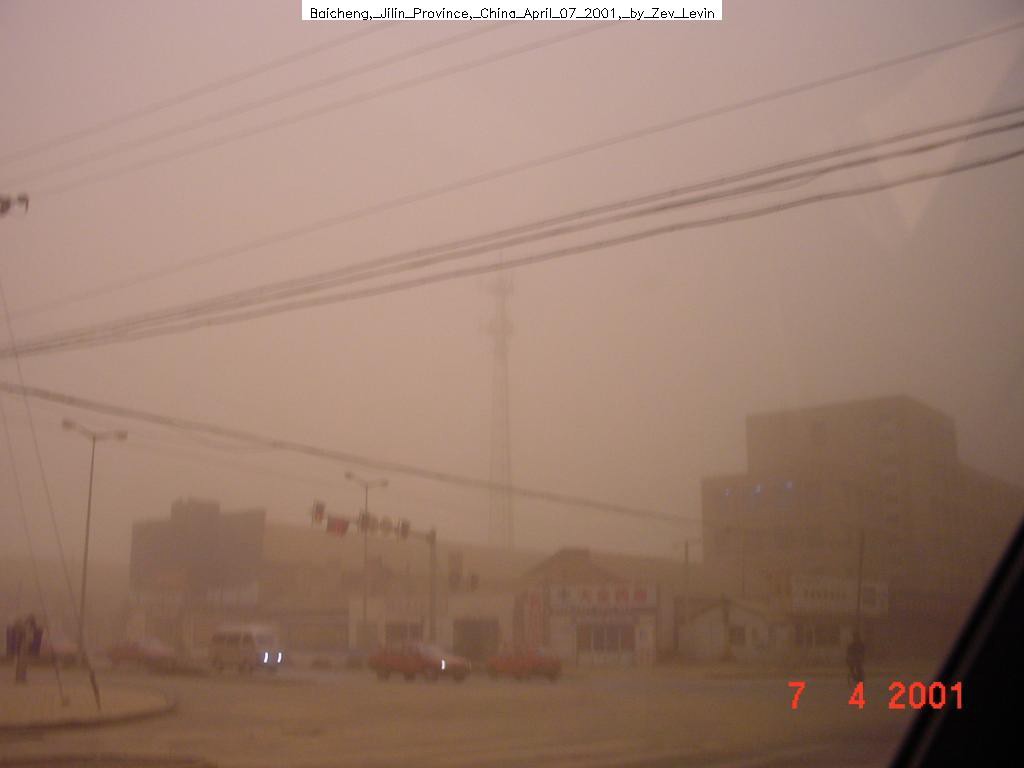
- Mistake: Skipping the wind forecast. The plain has no shelter. A Force 6 wind turns birding into sandblasting. Check the night before; if gusts exceed 40 km/h, reschedule or bring goggles.
On my last morning, Lao Zhang drove me back to the station through a dust devil dancing across the road. The train to Changchun was delayed — a freight derailment somewhere north. We ate steamed buns stuffed with scallion and egg on the platform, watching the sun climb over the silos. No cranes visible. But the air still carried that faint fishy scent, and I knew they were out there, probing the mud, waiting for the wind to shift.