The minibus shuddered around a hairpin bend, and the pine forest fell away to reveal a sheet of water so still it doubled the sky. Heavenly Lake, cradled in the crater of Changbai Mountain, had been hidden in mist twenty minutes earlier. Now the late-autumn sun caught the red-leaf slopes and turned them into something that looked like a spilled box of crayons. My driver, a man named Lao Zhang who smelled of cigarette smoke and dried chilies, killed the engine and pointed toward the far shore. “Wait ten minutes,” he said. “The wind will shift. You’ll see the North Korean peaks.” That moment — cold air, hot thermos tea, a border you can almost touch — is Baishan in a nutshell.
Getting There Without Losing Patience
Most travelers arrive by rail. The line from Changchun or Jilin City snakes through Tonghua before climbing into the mountains, and the carriages show their age: vinyl seats worn thin, windows that rattle in their frames, a timetable that treats “on time” as a polite suggestion. I have made the trip twice. The first time I booked a hard seat and spent six hours with my knees wedged against a sack of apples. The second time I splurged on a soft sleeper, brought instant noodles and a deck of cards, and actually enjoyed the rhythm. If you are coming from Shenyang or Dalian, the high-speed link to Tonghua cuts the slog considerably; from there a local train or a hired car covers the final stretch. In winter, check the forecast the night before — heavy snow can park the whole line for a day.
Moving Around the City and the Mountains
Baishan proper sits in a river valley, compact enough to walk if you don’t mind hills. Taxis cluster near the railway station and the main hotel strip; a ride across town rarely exceeds twenty yuan. For the scenic spots — Heavenly Lake, Jinjiang Grand Canyon, the karst caves — you have two realistic choices. Join a day tour from your hotel lobby: they leave at seven, return at six, and the guide handles park tickets and shuttle buses. Or hire a private driver for the day. I paid three hundred yuan for a beat-up SUV and a driver who knew which viewpoint had the cleanest toilet. He also knew the unwritten rule: at the canyon entrance, flash your phone flashlight at the ticket taker after dark and he waves you through the side gate, saving the fifty-yuan night surcharge. Public buses exist but run on schedules written for locals, not visitors.
What to See and When to Show Up
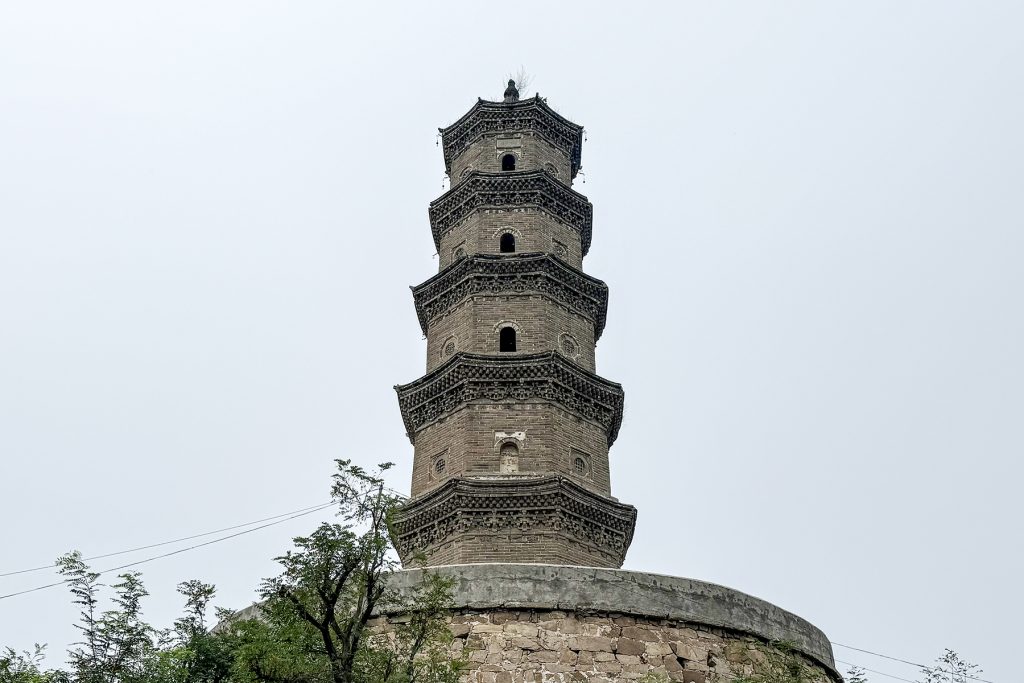
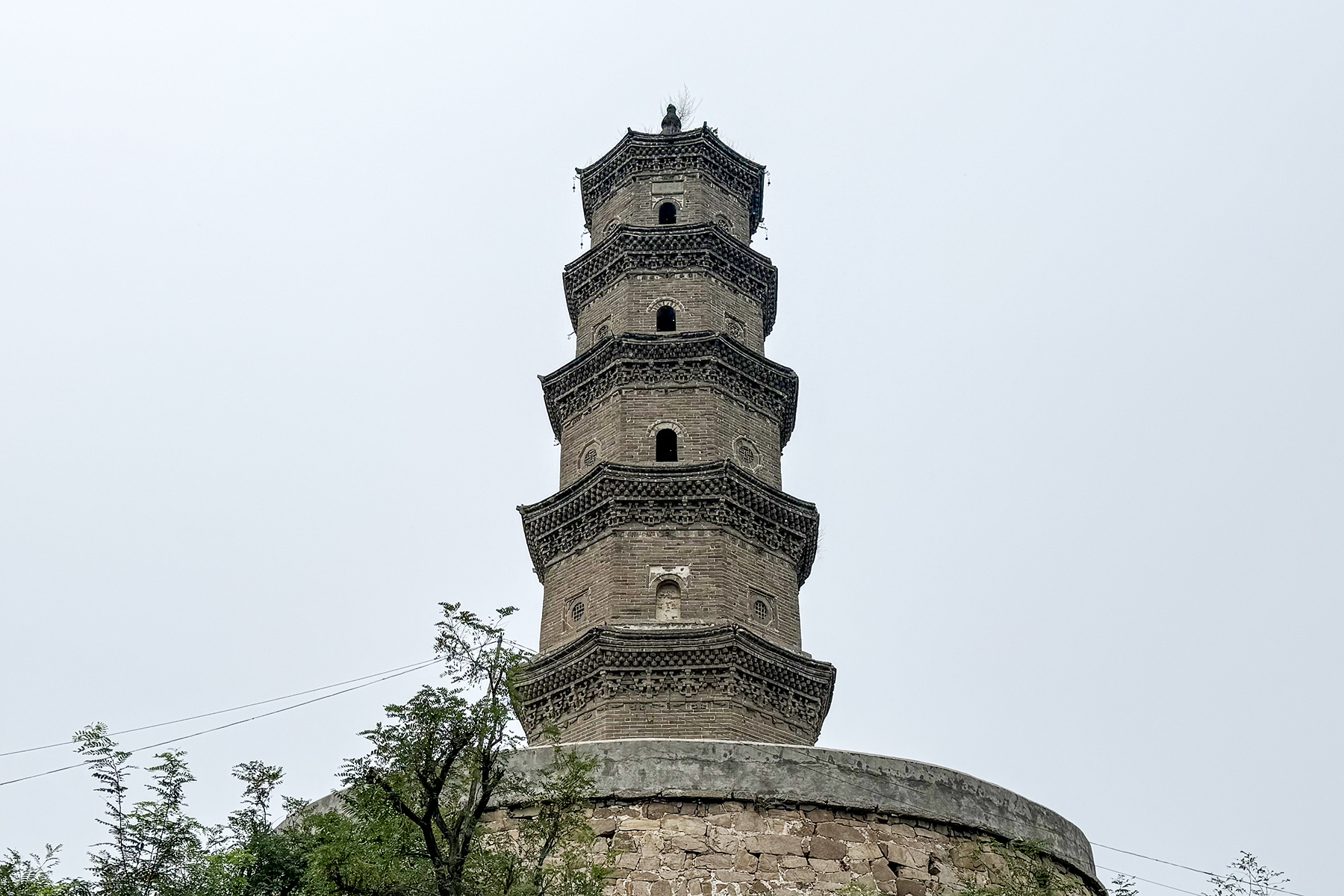
The mountain crater lake is the headline act, but the supporting cast is strong. Jinjiang Grand Canyon cuts a narrow slit through basalt; a wooden plank road clings to the cliff face, and in autumn the maples turn the gorge into a tunnel of fire. The karst caves near Changbai Mountain stay a constant ten degrees — bring a jacket even in July. Longshan Lake is quieter, popular with locals flying kites on weekends. The Yalu River cruise departs from a dusty dock downstream; the boat puts you fifty meters from the North Korean bank, close enough to see laundry drying on lines. In the city, Beishan Park climbs a hill behind the government buildings — climb the pagoda at sunset for a panorama of red-tile roofs fading into forest. The Tang Dynasty Lingguang Pagoda and the Puyi Abdication Site sit in the same compound; a single ticket covers both, and the caretaker will unlock the inner chamber if you ask politely. Xianren Cave requires a steep stair descent; wear shoes with grip. Lushuihe Hunting Field and the ski resort operate only in deep winter; unless you are there for snow, skip them.
- Spring (Wild Flowers Festival): Late April to early June. Alpine meadows bloom; Heavenly Lake often still has rim ice.
- Summer: July and August. Cool escape from the plains; crowds peak during school holidays.
- Autumn (Red Leaves Festival): Late September to mid-October. Best color, clearest skies, cold nights.
- Winter (Ice and Snow Festival): December through February. Temperatures drop below minus twenty; ski resort runs full tilt.
Eating Like a Local
Baishan cuisine leans heavy on mountain produce and Korean influence. Wild fernbrake, pine mushrooms, and ginseng appear in everything from stews to baijiu infusions. The signature dish is tie guo dun — iron-pot stew — where pork belly, potato chunks, vermicelli, and cabbage simmer over charcoal until the broth turns gelatinous. You eat it by lifting the pot lid, scooping a spoonful of broth, then fishing out meat with chopsticks. Order “la guo” (spicy pot) if you want dried chilies and Sichuan peppercorns; order “qing dun” (clear stew) for the pure ginseng-chicken version. Cold noodles (naengmyeon) arrive in a stainless bowl with beef broth, julienned cucumber, pear slices, and a dollop of mustard — cut the noodles with scissors before eating, or you will wear the broth. For breakfast, hunt down a stall selling gaoli bing: pan-fried dough pockets stuffed with kimchi, glass noodles, and pork. Eat them scorching hot, dipped in vinegar-soy sauce.
- Iron-pot stew ingredients: pork belly (skin on), potato, sweet potato vermicelli, napa cabbage, garlic, ginger, star anise, soy sauce, water.
- Home method: Sear pork until fat renders. Add garlic, ginger, star anise. Pour water to cover. Simmer forty minutes. Add potato and cabbage. Ten minutes later, soak vermicelli and drop in. Salt to taste. Serve in the pot.
- Restaurant ordering tip: Point to the picture menu and say “tie guo dun, bu la” (not spicy) or “jia la” (extra spicy). Specify rice or steamed buns on the side.
- Beginner mistake: Drinking the boiling broth straight from the spoon. Let it cool in your bowl first — locals laugh at the blistered tongues.
Culture, People, and the Unwritten Rules
Baishan feels like a frontier town that forgot to be rough. Han, Korean, Manchu, and Hui families share apartment blocks; you hear Mandarin, Korean, and a local dialect in the same market aisle. Respect shows up in small gestures. When an elder offers you a cup of tea, receive it with two hands. At the Puyi site, the guide speaks in a whisper — not because of rules, but because the story demands it. If you are invited to a home meal, leave a little food in your bowl; cleaning the plate signals you are still hungry. Tipping does not exist. A driver who waits three hours while you hike the canyon expects the agreed fare, nothing more. The biggest mistake newcomers make is treating the North Korean border as a photo op. Locals live with that line every day. Pointing cameras at the guard posts across the river draws sharp looks. Ask before you shoot, and accept a “no” without argument.
Lao Zhang dropped me at the station as the last train to Tonghua hissed into the platform. Snow had started to fall, fat flakes melting on the warm asphalt. He tapped the roof of his minibus. “Next time come in winter,” he said. “The lake freezes solid. You can drive a truck across it.” I watched the taillights climb the switchbacks, the red glow swallowed by pines. Baishan does not hand itself over easily. You earn it in cold train cars, in stew that burns your fingers, in the silence of a canyon where the only sound is water finding cracks in stone. That is the point.