The minibus shuddered to a halt on a dusty pullout just past the Famen Temple turnoff, and the driver pointed toward a row of plastic stools under a faded blue awning. Steam rose from a battered aluminum pot, and the scent of chili oil and fermented bean paste hit me before I even stepped off the bus. That bowl of saozi noodles — hand‑shaved, slick with vinegar and crowned with a tangle of carrot, potato, and minced pork — was my real welcome to Baoji. No guidebook, no app, just a hungry traveler and a cook who nodded when I held up two fingers.
Getting There and Getting Around
Baoji sits on the western edge of the Guanzhong Plain, where the high‑speed line from Xi’an slices through the Wei River valley in about ninety minutes. Trains run from dawn until late evening, and the station square is a chaos of taxis, shared vans, and electric scooters. If you arrive with luggage, flag a green‑roofed cab — meters start around ten yuan — and ask for “city center” or the name of your hotel. For the temples and mountain parks, the local bus network is reliable; routes 1, 15, and 34 connect the railway station to Famen Temple, the Bronze Ware Museum, and the Taibai Mountain cable‑car base. Buses accept cash or a transit card you can top up at any convenience store. Renting a shared e‑bike via a phone app works well for short hops inside the urban core, but keep a paper map handy — signal drops in the mountain valleys.
Where to Sleep Without Surprises
Most first‑timers cluster around the Bell Tower pedestrian zone or near the high‑speed rail station. The Bell Tower area puts you within walking distance of the night market, the Bronze Ware Museum, and a cluster of family‑run guesthouses that still hang hand‑painted signs. Rooms in these courtyard‑style inns often have heated kang platforms — great in late autumn, less welcome in midsummer. Near the station, chain hotels offer predictable air‑conditioning and English‑speaking front desks, but you’ll need a taxi or bus to reach the main sights. Book a week ahead during the spring temple fair or the autumn chrysanthemum festival; otherwise, walk‑in availability is usually fine.
Eating Like a Local
Baoji’s kitchen leans sour, spicy, and heavy on wheat. The signature dish is saozi mian — long, chewy noodles in a thin, vinegar‑sharp broth studded with diced pork, tofu, carrot, potato, wood‑ear fungus, and a spoonful of chili oil that stains the rim of the bowl crimson. You’ll also find roujiamo (crisp flatbread stuffed with braised pork), liangpi (cold wheat‑starch ribbons tossed with gluten cubes and sesame paste), and yangrou paomo (lamb soup with torn flatbread). Breakfast stalls steam buns stuffed with pickled mustard greens and minced meat; grab one with a cup of millet porridge and you’re set until noon.
- Hand‑shaved wheat noodles
- Pork shoulder, diced small
- Firm tofu, cubed
- Carrot and potato, match‑stick cut
- Dried wood‑ear fungus, soaked and sliced
- Black vinegar, light soy sauce, chili oil
- Garlic, ginger, scallion
- Salt, white pepper, a pinch of sugar
- Boil a pot of water; drop noodles in and cook until just al dente, then drain.
- In a wok, heat oil, fry garlic and ginger until fragrant, add pork and stir‑fry until browned.
- Add carrot, potato, and wood‑ear; splash in soy sauce and a ladle of stock.
- Simmer five minutes, then stir in tofu, vinegar, chili oil, and white pepper.
- Divide noodles into bowls, ladle broth and toppings over, scatter scallions.
In a restaurant, point to the picture menu and say “saozi mian, bu yao la” if you want less heat, or “jia la” for extra. Many places will ask “da wan xiao wan” — large or small bowl. A small bowl is plenty for a light lunch. Don’t be surprised if the server brings a communal jar of pickled garlic cloves; they’re free and meant to be eaten between bites.
Temples, Mountains, and the Rhythm of the Day
Famen Temple draws pilgrims year‑round, but the crowd thins after the morning chanting ends, usually around ten. Arrive early, slip off your shoes at the main hall, and walk the corridor of stupas in near silence. The underground palace museum displays the finger bone relic and Tang‑dynasty gold vessels — photography is forbidden inside, so leave the camera in your bag. Taibai Mountain, the highest peak of the Qinling range, is a different tempo. The cable car runs from eight to five; the last car down leaves at four‑thirty. If you hike from the mid‑station, the alpine meadow blooms with rhododendron in late spring and turns gold with larch needles in autumn. Carry water, a wind‑proof jacket, and a snack — there are no vendors above the tree line.
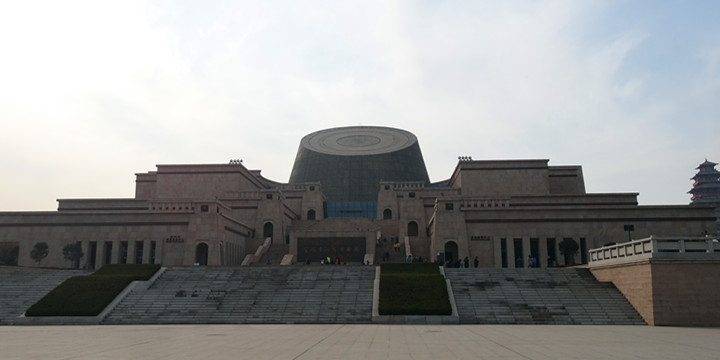
The Bronze Ware Museum, a low‑slung modern building beside the Wei River, opens at nine and closes at five, with last entry at four. The star pieces — the He Zun vessel inscribed with the earliest known “China” characters and a set of ritual bells — sit in climate‑controlled cases. English captions are decent, but the audio guide (rented at the desk) adds context about the Zhou dynasty rituals that shaped early Chinese statecraft. Allow two hours; the courtyard tea shop outside serves a decent jasmine infusion if you need a break.
What Locals Expect and Where Newcomers Stumble
Baoji residents move at a measured pace. In a noodle shop, you seat yourself, shout your order to the kitchen, and pay at the counter on your way out — no table service, no tip. On buses, offer your seat to anyone over sixty; it’s not a suggestion. When visiting a temple, keep your voice low, don’t step on the threshold, and never point your feet toward a Buddha image. A common mistake is treating the night market like a theme park: vendors prefer cash, and haggling is expected for souvenirs but not for food. Another trap is assuming every taxi driver knows the English name of your hotel; carry a business card or a screenshot of the Chinese address. Finally, the mountain weather shifts fast — sunny at the base, sleet at the summit. I learned that the hard way when a sudden fog rolled in on Taibai and the cable car halted for an hour. Pack layers, keep a power bank charged, and you’ll move through Baoji like someone who’s been here before.