The minibus from Mianyang shudders to a halt on a wide boulevard lined with plane trees. Ahead, the streets form a neat grid — Yongchang, the new county seat, built on a plain where the hills recede. There is no rubble here, no scent of dust. The earthquake lives fifteen kilometers back up the valley, in a town the government decided would never be rebuilt. You have come to see that place, but first you need a bowl of noodles and a plan for the bus that runs the mountain road.
Getting There Without Guesswork
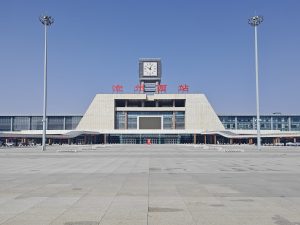
Head for the long-distance bus station opposite Mianyang railway station. Ignore the touts at Pingzhen station — they sell tickets for routes that stop short. Buses to Yongchang leave every forty minutes or so from the main hall, not a side window. The ride takes ninety minutes on a good day; fog or rockfall can stretch it to two hours. Buy a ticket to the terminal stop, not “Beichuan” — that name still points to the old county on some screens. Keep small change for the local shuttle that connects the new bus station to the memorial park entrance.
Moving Between the Two Towns
Yongchang is flat enough to walk. The memorial park sits up a winding valley road where city buses stop running after dusk. A green minivan shuttle departs from the square in front of the new government complex every half hour from dawn until the last tour group leaves. Flag it down with a raised palm; the driver knows the foreigner stop by the stone arch. If you miss the last return, a shared taxi waits near the park gate — negotiate per seat, not per car, and expect to split the ride with villagers carrying baskets of walnuts.
What to See and How to Behave
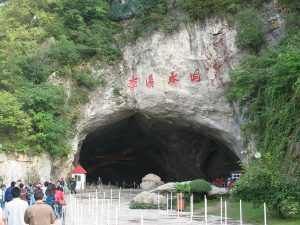
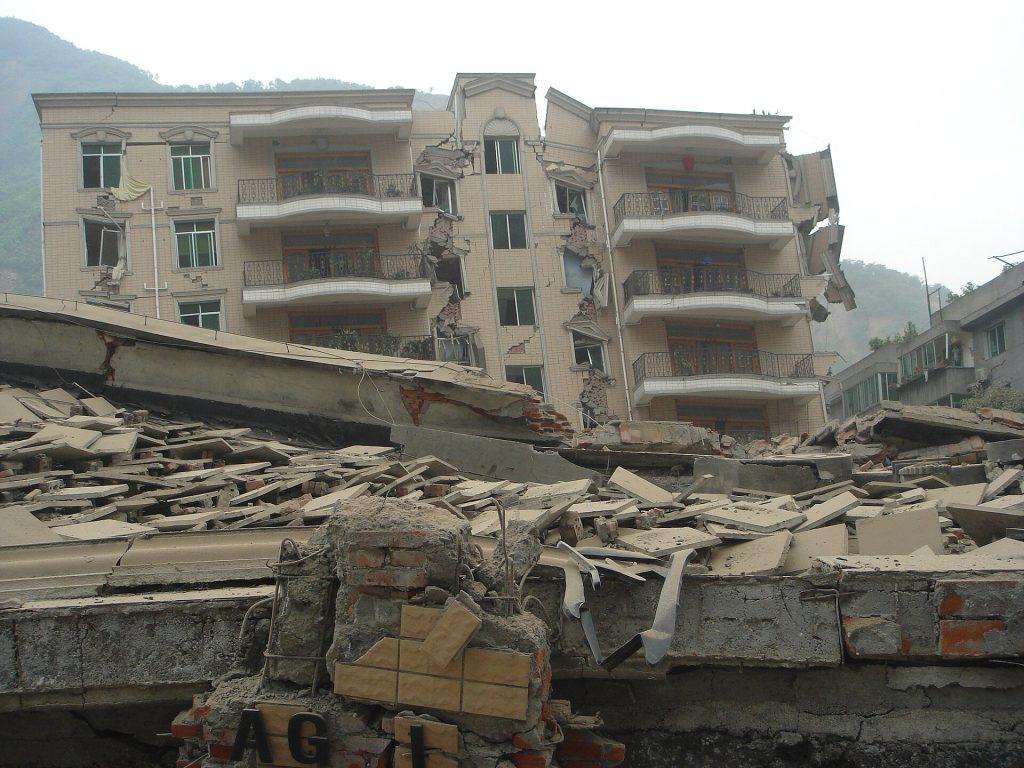
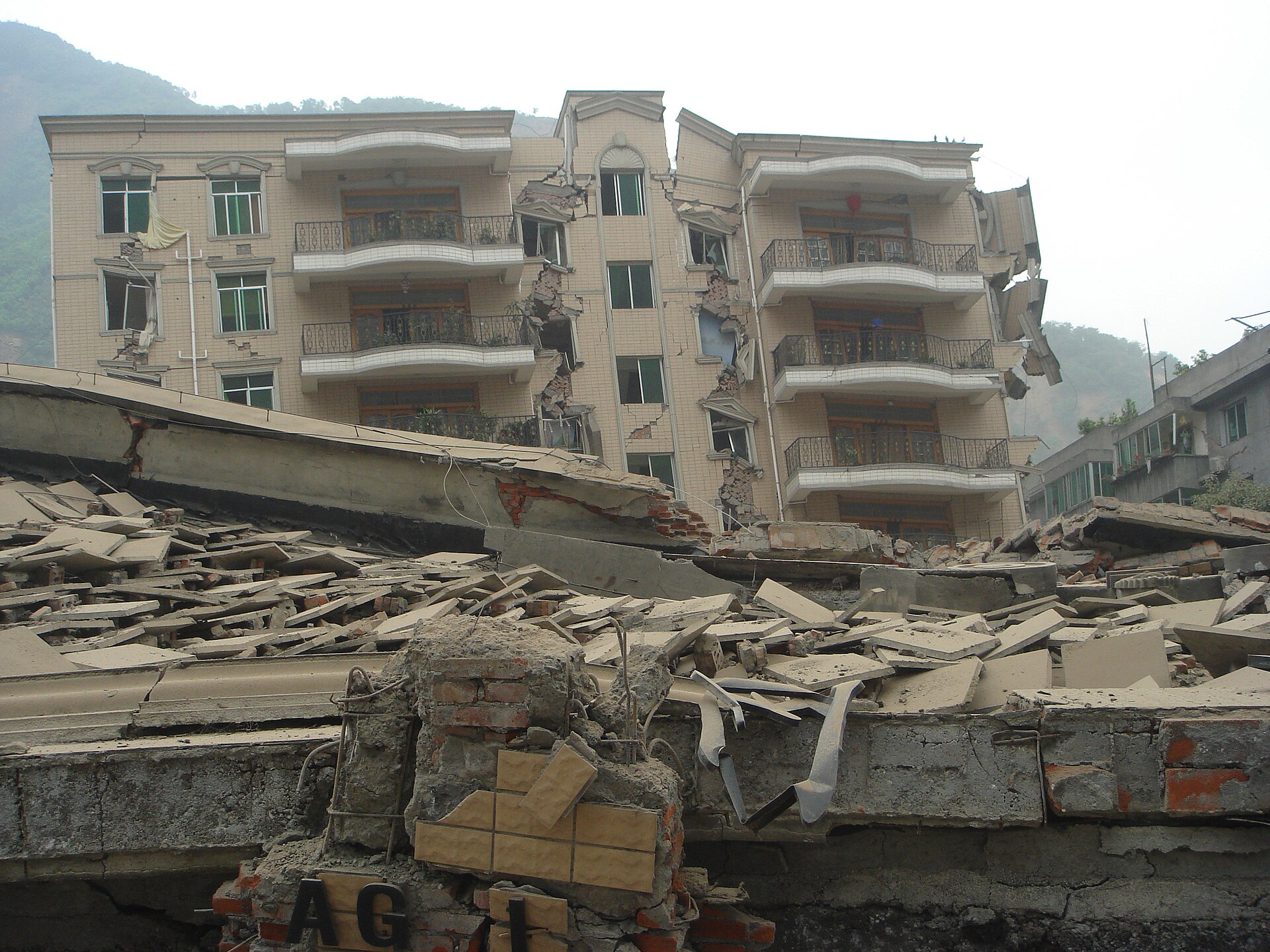
The park opens at eight. Enter through the memorial gate where a row of incense burners stands cold until the tenth day of the fourth lunar month, when families arrive before sunrise. The path climbs past the collapsed middle school — its concrete ribs exposed, clock frozen at 2:28 — to the landslide scar where a whole neighborhood vanished under mud. Stay on the boardwalk. Stepping onto the ruin mounds is forbidden; a warden will whistle you back. Photography is allowed, but flash feels wrong inside the classroom where backpacks still hang on rusted hooks. Speak low. You will hear older visitors weeping into their sleeves.
Eating in the Shadow of the Mountain
Lunch means a steamy bowl of hand-pulled noodles in a broth thick with beef tallow, pickled mustard greens, and a spoonful of chili oil that sings. The best stall sits in the alley behind the new county hospital — look for the blue plastic stools and a queue of construction workers. Order “da wan” for a large bowl. Add a side of cold pig-ear slices tossed with garlic, cilantro, and Sichuan peppercorns that numb the lips. Finish with a cup of sweet corn juice served hot in a paper cup.
- Hand-pulled wheat noodles — 200 g
- Beef bone broth — 500 ml
- Beef tallow — 1 tbsp
- Pickled mustard greens (zha cai) — 30 g
- Chili oil — 1 tsp
- Soy sauce — 1 tsp
- Fresh cilantro — a small bunch
- Garlic, minced — 2 cloves
- Sichuan peppercorns, lightly crushed — ½ tsp
- Pig ear, pre-cooked and sliced — 100 g
- Sweet corn kernels — 150 g
- Water — 300 ml
- Rock sugar — 1 tbsp
- Simmer beef bones with ginger and scallion for three hours; strain and keep hot.
- Blanch noodles twenty seconds; shake dry and drop into a serving bowl.
- Ladle broth over noodles. Swirl in tallow, soy sauce, and chili oil.
- Top with pickled greens and cilantro.
- For the pig-ear salad: toss sliced ear with garlic, peppercorns, a splash of vinegar, and sesame oil. Chill ten minutes.
- For corn juice: simmer kernels with water and rock sugar until tender; blend half, leave half whole. Serve warm.
Mistakes That Waste a Day
Arriving at the old town gate after four in the afternoon — the last shuttle down the mountain leaves at four-thirty, and the walk back is three hours on a narrow shoulder with logging trucks. Bringing a drone; the park is a no-fly zone and rangers confiscate them on the spot. Wearing sandals on the boardwalk; the metal mesh gets slick with mist and your toes will pay. Expecting English signage beyond the main museum panel — bring a translation app with offline Sichuan dialect packs. Finally, skipping the walnut cake sold by the auntie at the park exit. It is dense, nutty, and the only sweet thing you will taste all day.