The train from Shenyang pulls into Benxi West Station just after noon, and the air smells of pine and damp stone instead of brake dust. Outside the glass doors, a row of taxis idles quietly, drivers smoking with windows cracked. No one shouts for passengers. A grandmother pushes a cart of steamed buns toward the exit, steam curling into the cool autumn light. This is not the Liaoning you see in brochures — it is slower, quieter, and exactly the place to start if you want the mountains without the crowds.
Getting There Without the Hassle
High-speed rail is the only sensible way to arrive. From Shenyang, the ride lasts barely forty minutes, and trains leave every half hour from the main station. Buy tickets on the 12306 app or at the machine — no need to queue at a window. If you are coming from Dalian, the trip stretches to just under four hours, but the seats are comfortable and the scenery shifts from coastal flats to forested ridges halfway through. Avoid the long-distance bus unless you enjoy three-hour rides on winding mountain roads with questionable suspension.
Moving Around the City and Beyond
Benxi’s urban core is small enough to walk, but the scenic areas sit twenty to forty kilometers out. Didi works, yet drivers are fewer than in Shenyang — wait times can hit twenty minutes at dusk. The local bus network reaches Guanmen Mountain and Water Cave, but schedules are written only in Chinese and buses run hourly. The most reliable method? Hire a private car for the day. Ask your hotel front desk; they usually have a driver on WeChat who knows the mountain roads and waits while you hike. Agree on a flat fee before you leave — around three hundred yuan for a full day with stops at Water Cave, Tanggou, and Guanmen Mountain is typical.
Water Cave: The Underground River You Ride
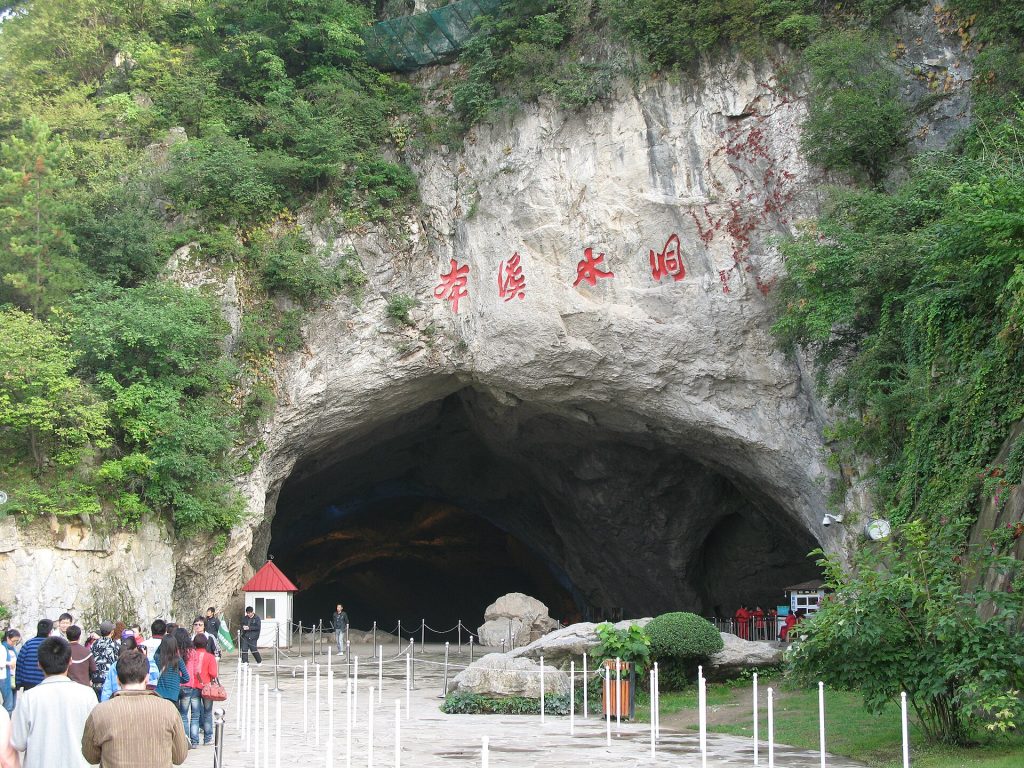
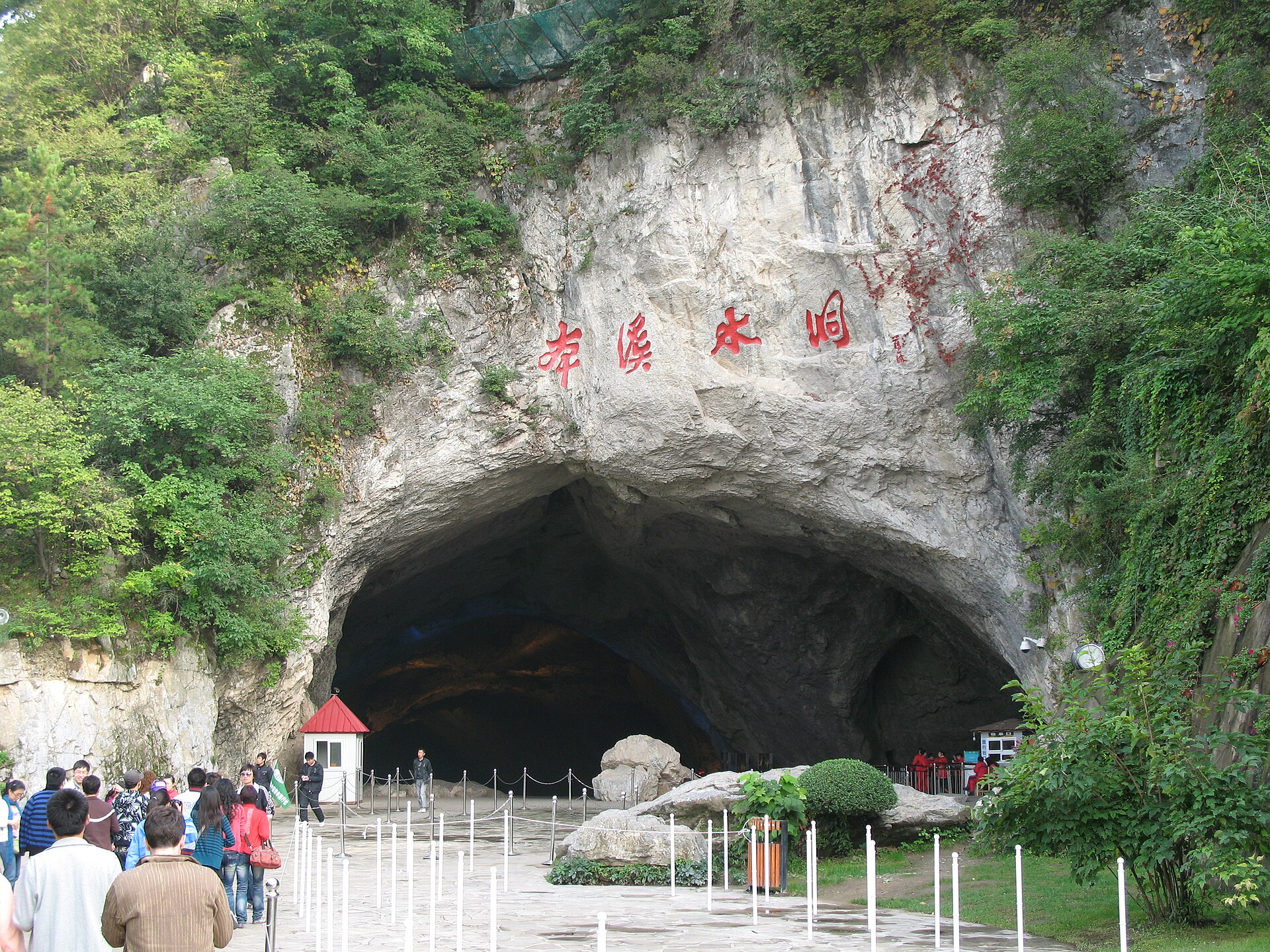
Benxi Water Cave is the headline act, and it earns the attention. You board a flat-bottomed boat at the entrance and glide into darkness lit only by colored LEDs tracing the stalactites. The river runs clear and cold, fed by springs deep in the limestone. The guide points out formations — “Dragon Palace,” “Crystal Curtain” — but the real show is the silence broken only by dripping water. The boat loop takes forty minutes. Wear shoes with grip; the dock is slick. Bring a light jacket — the cave holds at twelve degrees year-round. In summer weekends, the queue snakes for two hours. Go on a weekday morning, right at opening, and you’ll have the cavern nearly to yourself.
Guanmen Mountain and the Maple Season
Guanmen Mountain means “Closed Gate,” named for the narrow pass between two peaks. In late autumn, the slopes burn red with maple leaves — a spectacle that draws photographers from across the northeast. The main trail climbs wooden stairs past temples and pavilions to a viewing platform. It takes ninety minutes at a steady pace. Vendors at the base sell roasted sweet potatoes and corn on the cob; buy one, find a stone bench, and watch the light shift across the valley. Spring brings azaleas. Summer is green and cool. Winter closes the upper paths with ice. Check the park’s WeChat account the night before — heavy rain shuts the mountain for safety.
Tanggou and Laotuding: Where Locals Actually Hike
Tour buses stop at Water Cave and Guanmen. They rarely reach Tanggou or Laotuding. Tanggou is a gorge threaded with boardwalks clinging to cliffs, waterfalls dropping into pools you can swim in come July. Laotuding is higher, wilder — a ridge walk with views into North Korea on clear days. Both require sturdier legs and a full day. Pack water, snacks, and a rain shell. There are no convenience stores on the trails. If you hike alone, tell your hotel your route and expected return. Phone signal drops in the deeper valleys.
Eating and Sleeping: Low Key, High Comfort
Benxi city has no luxury chains. The best stays are family-run guesthouses near the parks — clean rooms, hot water, hosts who wake at five to steam buns for your hike. In town, look for the lane behind the railway station where smoke rises from charcoal grills. Order stewed pork with vermicelli, cold noodles with sesame paste, and a bowl of sour cabbage soup. Portions are huge. One dish feeds two. Beer comes in large bottles, shared over lazy afternoons. No English menus. Point, smile, and eat what arrives.
What Newcomers Get Wrong
- Assuming Didi will appear instantly — it won’t. Book a driver the night before.
- Showing up at Water Cave at noon on a Saturday — you’ll wait longer than the ride lasts.
- Wearing city sneakers on Guanmen’s stone stairs — they turn to ice after rain.
- Expecting English signage on rural buses — download offline maps and learn the characters for your stops.
- Skipping the county entirely — the city is just a sleep station; the mountains are the trip.
The last train back to Shenyang leaves Benxi West around ten. If you miss it, the station plaza has a 24-hour noodle shop where the broth remembers every hand that stirred it. Sit there, watch the mountains fade into dark, and plan the return. Benxi does not reveal itself in a day. It waits for the ones who come back.



