The minibus from Kunming South deposits you at the Chengjiang Passenger Transport Center just as the morning mist lifts off Fuxian Lake. Vendors near the exit are already slicing mangoes into plastic cups, the scent of fried dough twists mixing with diesel exhaust. A driver waves a hand toward a row of electric taxis, shouting something about the fossil museum. You have a day, maybe two, before the return bus. The lake is wide and quiet, the hills behind town layered in terraced tobacco and tea. This is not a place that performs for tourists; it simply exists, and you adjust to its rhythm.
Getting There Without a Car
There is no train station in Chengjiang. The rail head stops at Kunming South, a cavernous hall where high-speed lines converge. Walk out the east exit, cross the plaza, and you will see the long-distance bus depot signposted for Yuxi and Chengjiang. Buses leave roughly every forty minutes from dawn until early evening. The ride takes about ninety minutes on the expressway, climbing through tunnels and over viaducts before dropping into the lake basin. A second option is the East Bus Station in central Kunming, useful if you are staying near the old city. Tickets are bought at the window or via the WeChat mini-program of the bus company; have your passport ready for the real-name registration. Seats are not assigned, so board early if you want a window facing the water on the final descent.
- Kunming South Railway Station – east plaza long-distance bus depot.
- Kunming East Bus Station – older terminal, more frequent departures.
- Fare: roughly 45 to 55 yuan one way.
- Last return bus usually leaves Chengjiang around 18:30.
Moving Around Town
The county seat stretches along a north-south spine parallel to the lakeshore. Electric taxis cluster near the bus terminal and the main intersection at Fengxiang Road. Flag one down or hail via Didi; a ride across town costs the flag-fall plus a few kilometers. Public buses numbered 1 through 6 link the terminal, the museum turn-off, and the lakeside parks. They run every twenty minutes, pay by coin or transit card, and the driver announces stops only in Mandarin. If you rent a shared e-bike — scan the QR on the handlebar with Alipay — you can follow the lakeside greenway for ten kilometers without fighting traffic. Helmets are technically required but rarely enforced; still, the pavement can be slick with lake spray in the early hours.
- Taxi flag fall: 7 yuan, then 1.8 yuan per kilometer.
- Bus routes 1, 2, 3 cover the museum, fossil park, and west lake gate.
- E-bike deposit: 199 yuan refundable, 1.5 yuan per 15 minutes.
- Lakeside greenway: paved, flat, lit at night.
The Fossil Museum and Maotianshan
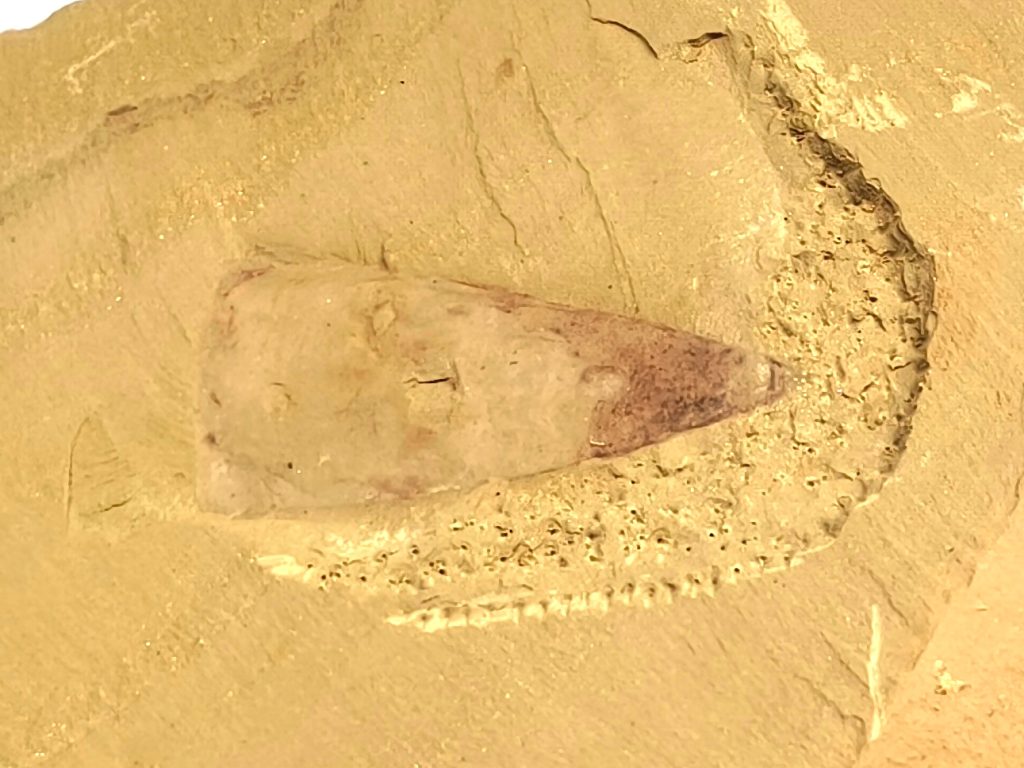
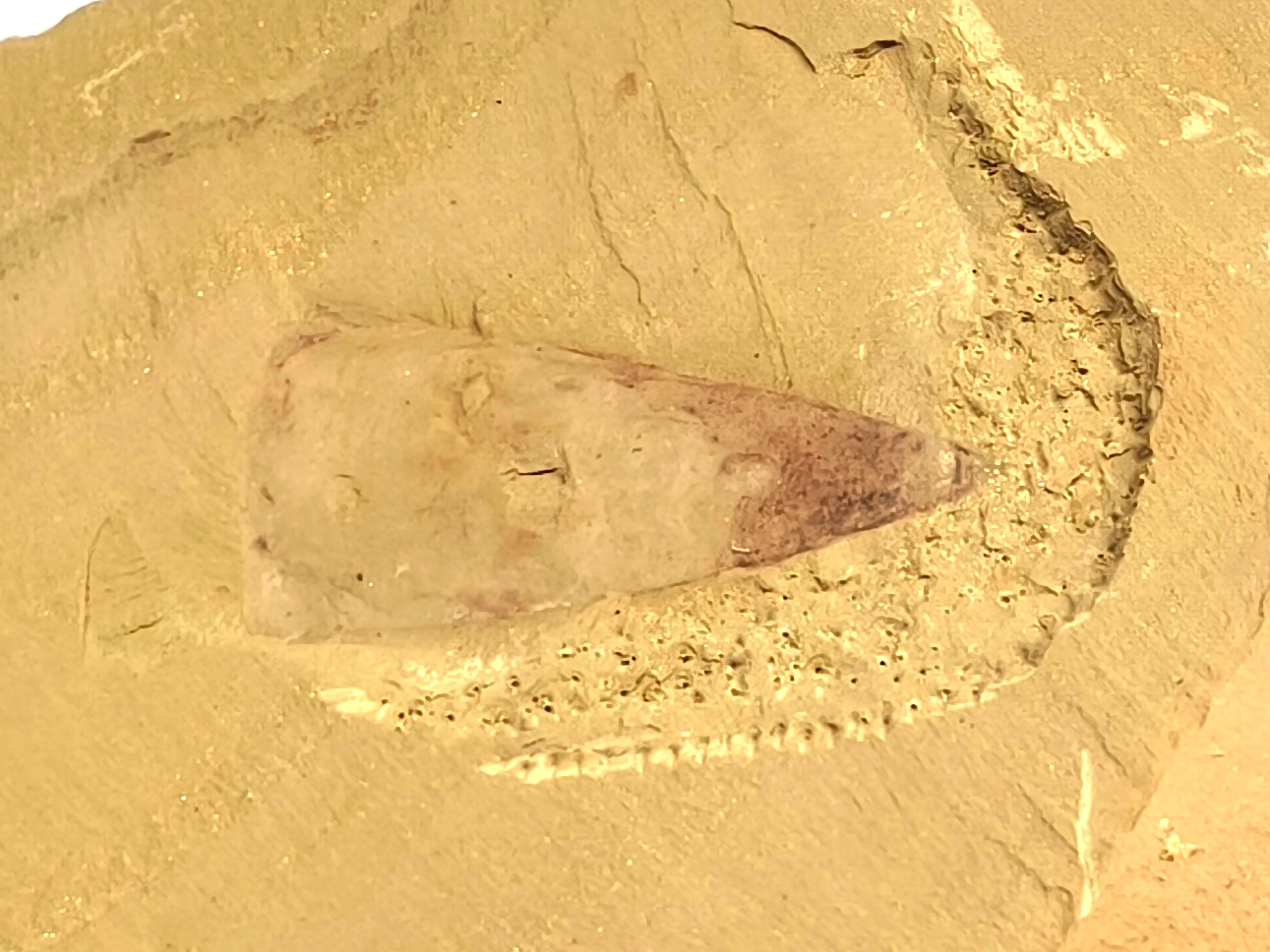
The Chengjiang Fossil Site World Natural Heritage Museum sits at the end of Hanwuji Avenue, twelve kilometers northeast of the bus terminal. Take the dedicated Chengjiang–Maotianshan shuttle from the terminal forecourt; it leaves when full, usually every half hour, and terminates at the museum gate. The building is a low, angular structure clad in grey stone, designed to echo the sedimentary layers inside. Exhibits trace the Cambrian explosion: soft-bodied arthropods, early chordates, algae preserved as carbon films on shale. Labels are bilingual, but the scientific terminology is dense. Allow two hours. The real thrill is the short trail behind the hall where exposed strata let you spot trilobite fragments in situ — touch nothing, photography only. The site closes on Mondays; arrive before 15:00 to avoid the school groups.
- Shuttle bus: terminal to museum, 10 yuan, 25 minutes.
- Museum entry: free, ID or passport scan at gate.
- Hours: 09:00–17:00, closed Mondays.
- Trail behind museum: 800 meters, uneven stone, wear closed shoes.
Fuxian Lake: Water, Food, and Sunset
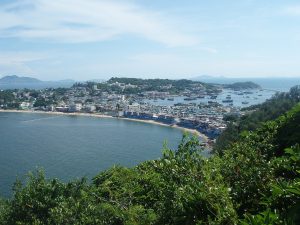
Fuxian is a tectonic lake, deep and clear, ringed by hills that turn amber in the dry season. The most accessible stretch is the West Lake Wetland Park, a reedy boardwalk ten minutes by taxi from the terminal. Locals come at dawn for tai chi, at noon for grilled fish, at dusk for selfies with the pagoda silhouette. Order a whole silver carp — yin yu — steamed with pickled mustard greens, chili, and fermented bean paste. The flesh should flake clean off the bone, sweet and faintly smoky from the charcoal. Pair it with a bowl of rice noodles in clear broth, topped with fried shallots and a spoonful of chili oil from the communal jar. Beer arrives warm; ask for ice if you prefer it cold. As the sun drops, the water turns molten copper, and the mosquitoes wake up. Repellent is sold at the kiosk by the parking lot.
- Signature dish: steamed silver carp with pickled mustard greens (suan cai zheng yu).
- Noodle base: rice vermicelli, clear chicken broth, fried shallots, chili oil.
- Beer: Dali or Yunnan Green, usually room temperature.
- Boardwalk length: 3.2 km loop, wheelchair accessible.
Eating in Town: Market Alley and Night Stalls
Behind the main post office on Fengxiang Road, a narrow lane opens into a covered market that doubles as a dinner hall after 18:00. Plastic stools line stainless tables; each stall specializes in one thing. Look for the woman hand-pulling wheat noodles into boiling water, then tossing them with minced pork, fermented black beans, and a ladle of bone broth — shaozi mian. Two stalls down, a cast-iron wok sears slices of beef with fresh green peppercorns, the numbing heat blooming seconds after you swallow. Vegetarians gravitate to the tofu skin rolls stuffed with mushroom and bamboo shoot, steamed in bamboo baskets. Pay cash or scan the stall’s QR; no English menus, but pointing works. The crowd thins by 21:00, and the alley is hosed down for the night.
- Must-try: hand-pulled noodles with pork and black bean (shaozi mian).
- Spicy option: dry-fried beef with green peppercorns (qing hua jiao niu rou).
- Vegetarian: steamed tofu skin rolls, mushroom-bamboo filling.
- Payment: WeChat/Alipay QR on each stall, small change helpful.
What Newcomers Get Wrong
First, assuming the last bus from Kunming South runs late — it does not. Miss the 18:30 departure and you are negotiating a private car for 300 yuan or sleeping in the terminal. Second, treating the fossil site as a quick photo op; the shale is fragile, and guards will escort you out if you chip at the rock. Third, ordering “fish” at a lakeside restaurant without specifying species; you may get tilapia farmed in ponds, not the wild silver carp that justifies the trip. Fourth, skipping cash entirely — some older taxi drivers and market vendors still prefer paper notes, and mobile signal can flicker in the valleys. Finally, packing only light clothes. The lake basin sits at 1,700 meters; nights in the autumn months drop to single digits, and the wind off the water cuts through a hoodie. Bring a windproof layer, a reusable water bottle, and patience for the pace of a place that measures time in geological epochs.
- Last bus from Kunming South: ~18:30, no later service.
- Fossil site: no hammering, no collecting, guards patrol.
- Fish: ask for yin yu (silver carp) by name.
- Cash: keep 100 yuan in small bills for taxis and market stalls.
- Clothing: windproof jacket, layers, closed shoes for shale trail.