The ferry cuts through the grey-green channel between Central and Cheung Chau, the city’s towers shrinking behind you until they look like a child’s building blocks. On the upper deck, the wind smells of salt and diesel, and a cluster of elderly women in wide-brimmed hats chat in Cantonese while peeling oranges. By the time the ramp lowers at the pier, the air has changed — cooler, slower, scented with drying fish and frying garlic. You step onto the promenade and the weekend has already begun.
Getting There and Moving Around
Fast ferries leave Central Pier 5 roughly every thirty minutes from early morning until late evening; the ride takes thirty-five minutes. Ordinary ferries run less often and need fifty-five minutes, but the upper deck on a clear afternoon is worth the extra time. Buy tickets at the machines or tap an Octopus card at the gate — no reservation required. On public holidays, especially during the bun festival period, queues snake back into the concourse, so arrive forty minutes before departure if you want a seat.
Once on the island, there are no cars. The narrow lanes are ruled by bicycles, electric carts the size of golf buggies, and your own feet. Rental shops cluster near the pier; a single-speed cruiser with a basket costs about fifty dollars a day. Lock the bike to any railing — theft is rare, but the basket will fill with sand if you leave it on the beach. For the hills behind Tung Wan, a motorized cart saves your calves, though drivers honk impatiently at pedestrians who drift into the lane.
Beaches: Tung Wan and Kwun Yam
Tung Wan curves around the eastern shore, a crescent of coarse gold sand backed by a promenade of seafood restaurants and snack stalls. Lifeguards are on duty from late spring to early autumn, and the water stays shallow far out, making it the default choice for families with toddlers. Rent a plastic chair and an umbrella from the kiosk near the toilet block — thirty dollars for the day — and you’ll spend hours watching kites wrestle the wind.
Kwun Yam Wan, on the western side, is smaller, rockier, and quieter. The beach faces the sunset, so the light turns the water copper in the late afternoon. There’s no lifeguard tower, and the current can tug near the headland, but the snorkeling around the rocky edges reveals parrotfish and the occasional sea urchin. A footpath connects the two beaches along the coastline; allow forty minutes at a stroll, longer if you pause at the rock pools.
The Bun Festival: What You Actually See
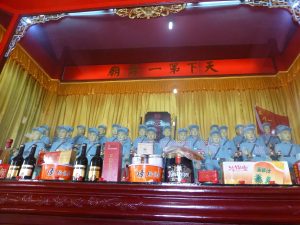
In the fourth lunar month, usually late spring, the island swells for the Cheung Chau Bun Festival. The main event lasts a week, but the climax arrives on the eighth day, when three bamboo towers sixty feet high are erected in front of Pak Tai Temple. Each tower is studded with thousands of steamed buns stamped with the Chinese character for peace. At midnight, selected climbers scale the scaffolding, snatching buns as they go — the higher the bun, the more luck it brings.
Earlier that evening, a procession winds through the alleys: children dressed as deities balanced on hidden steel rods, lion dancers, drummers, and a float carrying the statue of Pak Tai. The streets are so packed you move at the crowd’s pace. If you want a view of the bun scrambling, stake out a spot near the temple by nine o’clock. Bring water, a folding stool, and patience. The buns distributed afterward are plain, slightly sweet, and best eaten warm from the paper bag.
Eating: Seafood, Snacks, and the Famous Bun
Seafood restaurants line the waterfront between the pier and Tung Wan. Most display live tanks — grouper, mantis shrimp, clams, crab. Point at what you want, choose a cooking style (steamed with ginger and scallion, typhoon shelter fried with garlic and chili, or braised in superior soy), and the dish arrives twenty minutes later. A meal for two with a vegetable and rice typically runs three to four hundred dollars.
- Must-try street snacks: fish balls on a skewer brushed with curry sauce; grilled squid brushed with sweet soy; mango mochi from the stall beside the ferry queue; and the ping on bun — a steamed white bun filled with lotus seed paste, sold from a red cart near the temple year-round.
- Ordering tip: ask for “less oil, less salt” if the kitchen tends heavy-handed; say “no MSG” if you’re sensitive. Menus often have photos — point and nod.
- Vegetarian option: the temple kitchen serves a simple vegetarian set lunch on festival days; otherwise, the tofu and vegetable stir-fry at the dai pai dong behind the market is reliable.
Common mistake: ordering a whole steamed fish “well done.” The chef will overcook it. Ask for “just cooked through” — the flesh should still cling to the bone and flake at the touch of chopsticks.
Walking the Hills and the Family Trail
The Family Trail loops the southern peninsula, a paved path wide enough for two abreast. It climbs gently past the old police station, the rock carving at Po Yue Wan, and the miniature lighthouse at Fa Peng. The full loop takes ninety minutes at a relaxed pace. Morning light hits the eastern cliffs best; late afternoon gilds the western rocks. Carry a hat — shade is scarce.
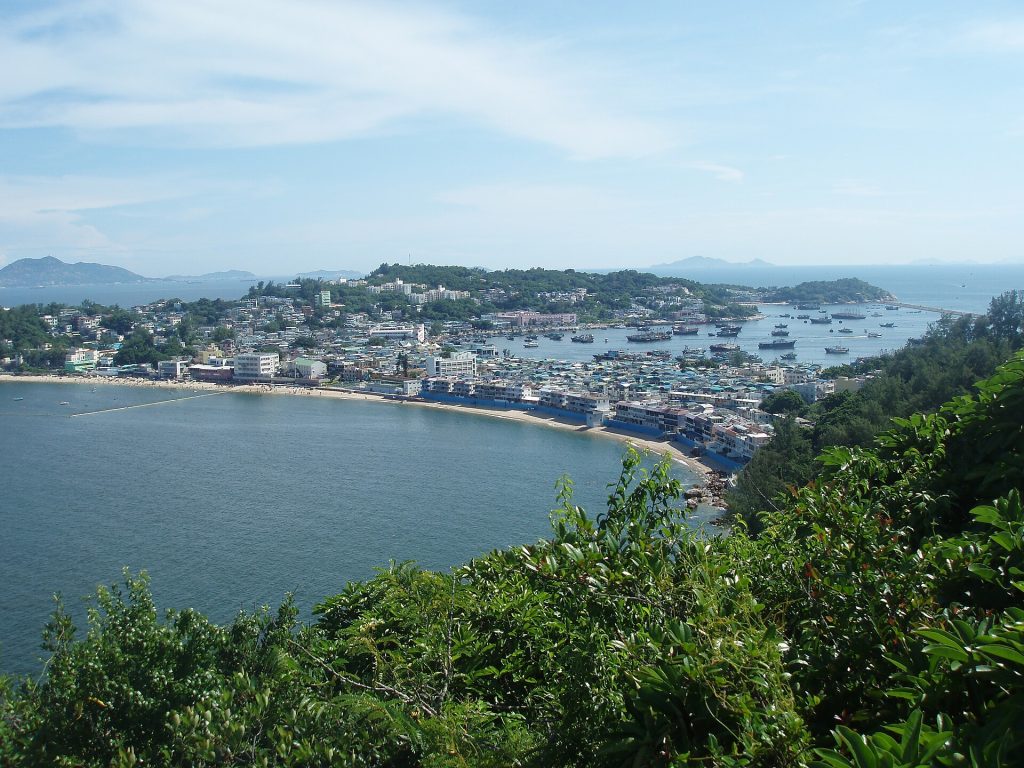
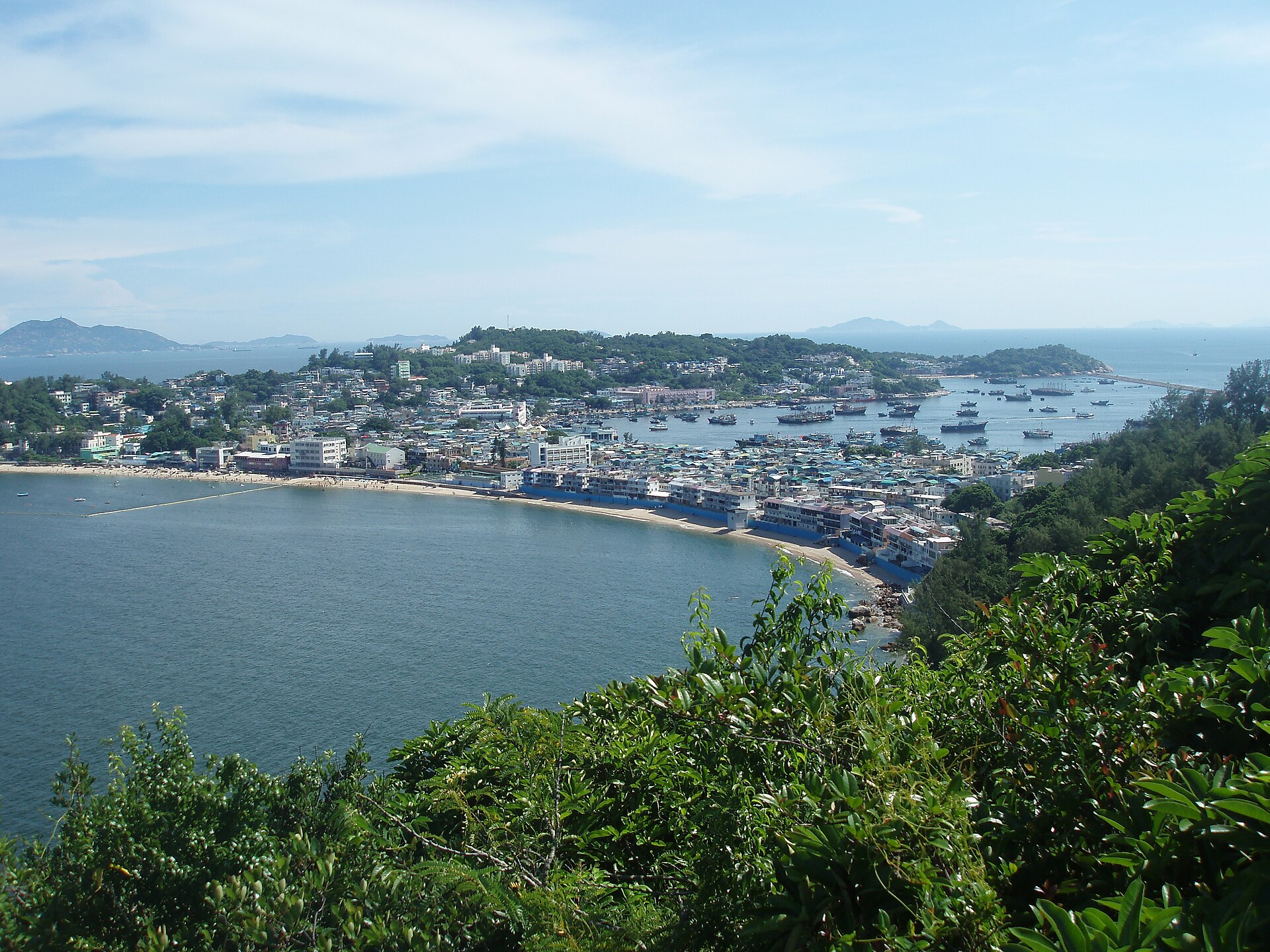
For a steeper challenge, follow the signs from the trailhead near Kwun Yam Wan up to Reclining Rock. The path turns to uneven stone steps, and the final scramble uses a fixed rope. At the summit, the island spreads below: the twin bays, the fishing harbor, the dense rooftops of the village. On a clear day you see Lantau’s peaks and the bridge to the airport. Descend the same way; the alternative ridge path is overgrown and poorly marked.
What Locals Expect and What Newcomers Get Wrong
Islanders move at a different rhythm. Shopkeepers may close for an hour at lunch to eat with family; the “open” sign doesn’t guarantee service. Speak softly in the temple — incense smoke curls thick, and worshippers bow low. Don’t step on the threshold. If you’re offered a bun or a cup of tea at a stall, accept with both hands; refusing is considered rude.
Newcomers often rent a bike and immediately pedal onto the narrow alley behind the market, blocking the electric carts that deliver gas cylinders and crates of fish. Stay on the main promenade until you’re comfortable. Another error: assuming every restaurant takes cards. Many smaller places are cash only. Bring enough small bills for snacks, bike rental, and the temple donation box.
Finally, the last ferry back to Central leaves around midnight, but the schedule shortens after the festival. Check the posted timetable at the pier before you settle in for a late dinner. Miss the last boat and you’ll be sharing a waterfront bench with the night fishermen until dawn — not unpleasant, but cold.