The Yangtze widens where the Wu River slips into it, the water turning a silt-heavy ochre that stains the hulls of the ferries tied up at the old dock. From the riverside promenade you can hear the thrum of diesel engines from the cargo barges pushing upstream, mixed with the clatter of mahjong tiles spilling from a teahouse whose plastic stools have spilled onto the pavement. A vendor slices cold cucumber into a plastic bag, shakes in chili oil, vinegar, and a spoonful of the local pickled mustard tuber until the brine turns the vegetables a translucent jade. This is Fuling: a working river town that happens to sit on a high-speed line forty minutes from Chongqing’s glass towers.
Getting There Without the Hassle
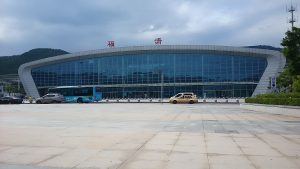
Most visitors arrive by rail. The high-speed station, Fuling North, sits on Taibai Avenue with a taxi queue that never seems to empty. Trains from Chongqing North pull in around forty minutes after departure; the ride is smooth enough to finish a cup of station coffee before the announcement sounds. If you catch a conventional train, you will land at the older Fuling Railway Station out in Longqiao Town, a good twenty minutes by cab from the river core. Buses still run thick from Hongqihegu Bus Station in central Chongqing, one every forty minutes or so, dropping passengers at the Gaoshanwan Transport Interchange where the elevated highways knot together. From either hub, city bus 101 or 103 will carry you to the district center for a few yuan, though the drivers rarely speak English and the stop announcements are Mandarin only.
Where to Sleep: River Noise or Quiet Lanes
The choice is simple. If you want the Yangtze at your window, book a room in one of the mid-range hotels along Binjiang Road — concrete balconies, thin curtains, and the horn blasts of passing freighters at 3 a.m. If you prefer sleep, walk five blocks inland to the streets behind the People’s Hospital. There, family-run guesthouses occupy renovated shikumen courtyards with tiled roofs and shared courtyards where grandparents hang laundry. No elevator, but the proprietor will likely offer a thermos of hot water and a tip on which noodle stall opens earliest.
Two Days on Foot
Start at the White Crane Ridge Underwater Museum. The entrance looks like a subway station descending into the riverbed; a glass tunnel lets you view Tang Dynasty hydrological carvings that have spent centuries submerged. Allow ninety minutes. Walk upstream along the promenade to the Wu River Gallery, where limestone cliffs squeeze the water into a gorge. A sightseeing boat departs every hour from the pier beside the giant zha cai sculpture — yes, a monument to pickled mustard tuber. The round trip takes forty minutes and passes the old Peace Corps compound where Peter Hessler once taught; the building now houses a small exhibit on his memoir.
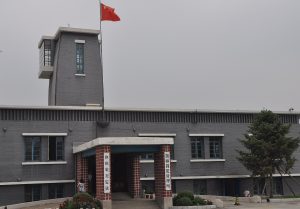
Afternoon heat drives you into the shade of the Fuling Confucian Temple. The main hall smells of sandalwood and candle wax. Students still tie red ribbons on the ancient cypress for exam luck. Exit onto Zhongshan Road for the night market: skewers of beef tendon, grilled tofu skin brushed with fermented bean paste, and bowls of rice noodles ladled from aluminum pots. The second morning, take bus 118 to the 816 Nuclear Military Plant. The underground tunnels stay cool year-round. A guided tour (Mandarin only) walks you through reactor halls and command centers frozen in the 1980s. Wear closed shoes; the floors are damp and uneven.
Eating Like a Local
Fuling’s signature flavor is sour-spicy, built on the Wu River brand zha cai. The tuber arrives at the table in three forms: paper-thin shreds in a cold salad with cilantro and sesame oil; diced into minced pork for a dry-fried green bean dish; or simmered into a broth with sliced beef tripe and pickled chili. Order “suantang mian” at any hole-in-the-wall near the train station — hand-pulled noodles in a vinegar-heavy soup topped with the pickled mustard, a spoonful of chili oil, and a scatter of crushed peanuts. For breakfast, hunt down a stall selling “mianhua tang”: sweet rice flour dumplings floating in ginger syrup, served in a chipped enamel bowl.
- Cold zha cai salad: shredded pickled mustard tuber, cilantro, garlic, sesame oil, light soy, sugar.
- Dry-fried green beans with zha cai: yardlong beans, minced pork, diced zha cai, dried chili, Sichuan peppercorn.
- Suantang beef noodles: hand-pulled wheat noodles, beef slices, pickled mustard tuber, vinegar, chili oil, peanuts, scallion.
- Mianhua tang: glutinous rice flour, brown sugar, ginger, water.
To cook the dry-fried beans at home: heat a wok until smoke rises, add oil, then the beans. Stir-fry until skins blister and wrinkle. Push aside, fry the pork until crisp, add diced zha cai, dried chili, and a pinch of Sichuan peppercorn. Return beans, toss, splash with a dash of light soy, and serve immediately. The beans must stay crisp; soggy beans mean the wok wasn’t hot enough.
What Newcomers Get Wrong
First, they treat Fuling as a day trip from Chongqing. The high-speed train makes it possible, but you miss the river at dusk when the cargo lights paint the water gold, and you miss the morning market where aunties sort live river fish into blue plastic basins. Second, they skip the 816 Plant because “it’s just a bunker.” The scale underground — kilometers of tunnels carved by hand — shifts your sense of what was built here during the Cold War. Third, they order “spicy” assuming it means chili heat. In Fuling, spice is layered: vinegar sourness first, then the numbing prickle of peppercorn, then the slow burn of erjingtiao chili. Ask for “wei la” (mild spice) if you want to taste the tuber instead of fighting the oil. Finally, they forget cash. The night market and the 816 ticket window still prefer paper yuan or WeChat QR codes; foreign cards fail at the POS machines.
Seasonal Rhythms
Visit in the third lunar month when the plum rains begin. The cliffs along the Wu River drip moss, and the zha cai harvest reaches the drying racks behind the factories — acres of mustard greens turning amber under the sun. The air smells of salt and fermentation. Avoid the first week of the tenth lunar month; the National Day holiday packs the gorge boats and the museum queue stretches past the ticket hall. Winter is quiet, the river steaming on cold mornings, and the guesthouse courtyards fill with the scent of curing bacon hanging from bamboo poles. That is the time to linger over a second bowl of suantang mian while the ferry horns echo off the limestone.