The minibus shuddered to a halt beside a steaming pot of rice noodle soup at the intersection of Longjiang Road. Steam curled around the fluorescent lights of a hardware store. An auntie ladled broth over hand‑shaved noodles, tossed in a tangle of bean sprouts, a spoonful of chili oil, and a handful of fried shallots. I stood on the curb, plastic stool pulled up, slurping the sweet‑salty broth while scooters zipped past my elbows. That bowl — costing less than a subway ride in Beijing — was my first proper taste of Fuqing: unpretentious, loud, and deeply satisfying.
Getting There Without the Hassle
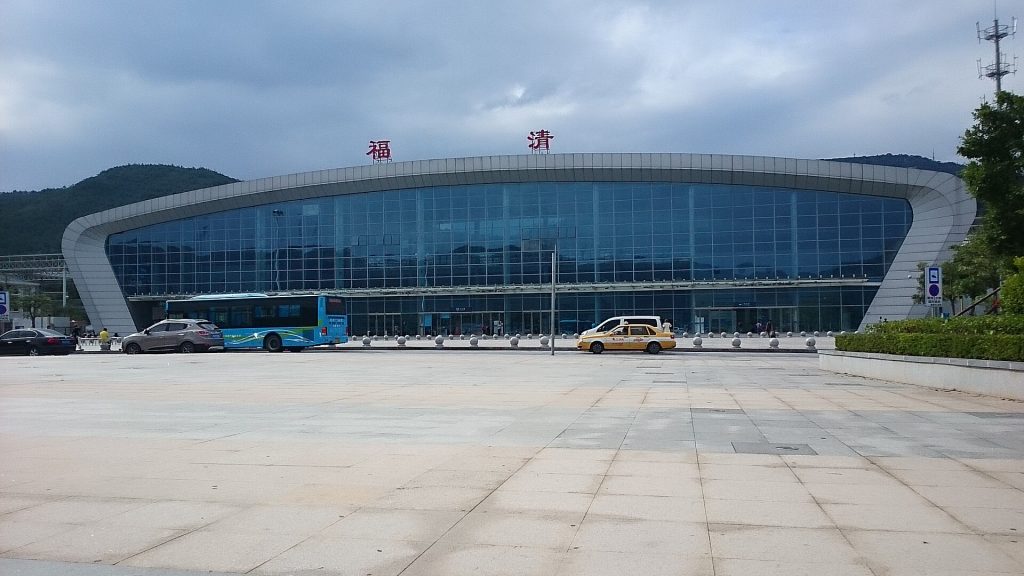
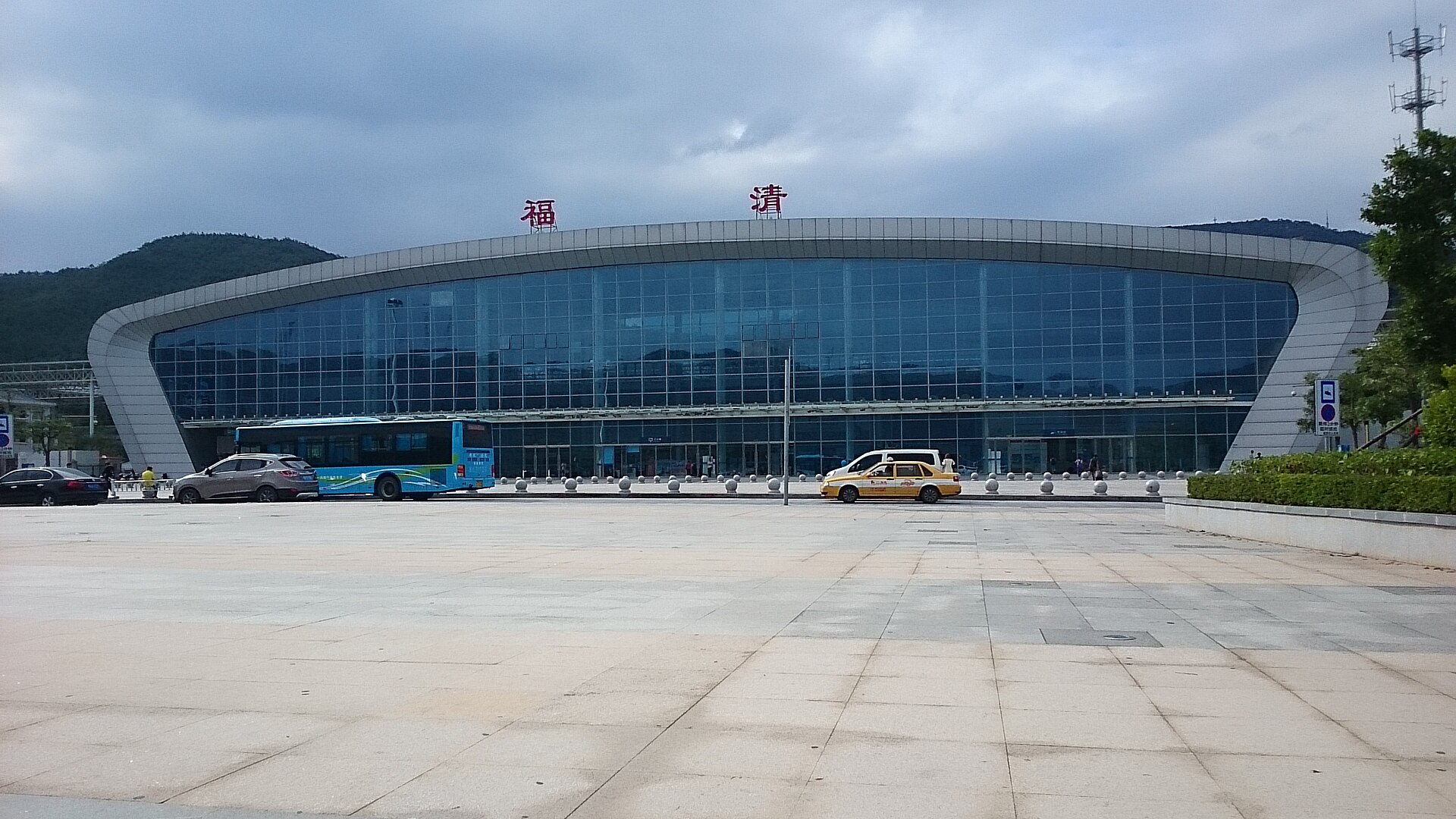
Most visitors arrive from Fuzhou, the provincial capital forty kilometers north. The high‑speed rail line stitches the two cities together in fifteen to thirty minutes. Two stations serve Fuqing: the main Fuqing Railway Station on Yingbin Avenue, handy for the older downtown core, and Fuqing West Railway Station out near the Shenhai Expressway, closer to the newer industrial parks and the coastal highways. Trains run frequently from early morning until late evening; tickets can be bought on the 12306 app or at the station machines using a passport.
If you prefer road travel, the long‑distance bus terminal beside the old train station dispatches coaches to Fuzhou every ten minutes. The ride takes just over half an hour and costs pocket change. Buses from Putian, Quanzhou, and Xiamen often drop passengers at the highway interchange two kilometers outside town; from there a ride‑hail car or a local bus (routes 6, 7, 9, 10, 11) finishes the journey in five minutes. Taxis queue at both railway stations, but the ride‑hail apps (DiDi, Meituan) are faster and show the fare upfront.
Moving Around the City
Fuqing spreads along a north‑south axis hugging the Longjiang River. The central districts — Longshan, Yicheng, and Longjiang — are flat and walkable for short hops. Public buses numbered in the 800s and 900s loop through residential neighborhoods, the hospital, the university campus, and the two train stations. A single ride costs one or two yuan; exact change or a transport card works. For the coastal sights — Dongzhang Bay, the wind‑farm ridge, the fishing villages — a rented electric scooter is the real freedom. Shops near Fuqing West Station rent them by the day for roughly fifty yuan; bring your passport and a phone number for the deposit.
- Bus routes 805, 806, 808, 810, 820, 822, 830, 832, 901 connect the main railway station to downtown.
- Bus routes 6, 7, 9, 10, 11, 801, 806, 807, 823, 910 serve Fuqing West Station and the western suburbs.
- Electric scooter rental: daily rate ~50 CNY, deposit ~200 CNY, helmet included.
- Ride‑hail apps: DiDi, Meituan, Gaode Map — set destination in Chinese characters for the driver.
Where to Sleep: From Dorm Beds to Sea‑View Rooms
Budget travelers gravitate toward the cluster of youth hostels and business hotels around the old railway station. A clean dorm bed with air‑conditioning and shared showers runs about eighty yuan a night; private doubles with en‑suite bathrooms start near 150 yuan. The staff at these places often speak a few words of English and can print train tickets. For a quieter night, the newer chain hotels — Jinjiang Inn, Atour, and a handful of local brands — line Yingbin Avenue and the streets around Fuqing West Station. Rooms there hover between 200 and 350 yuan, include breakfast buffets with steamed buns and soy milk, and have reliable Wi‑Fi for video calls.
If the goal is waking up to tide sounds, head to the coastal townships of Dongzhang or Haikou. Family‑run guesthouses sit behind sea‑walls; a simple room with a balcony overlooking the mudflats costs 180‑250 yuan. The trade‑off: fewer dining options after dark and a longer ride back to the train station. Book a week ahead during the Dragon Boat Festival or the Mid‑Autumn holiday — rooms vanish fast.
Eating Like a Local
Fuqing cuisine leans on the sea. The signature dish is hǎi xiān zhōu — a milky seafood congee simmered with razor clams, shrimp, squid, and a pinch of dried scallop powder. It arrives in a stone bowl, still bubbling, topped with shredded ginger, scallions, and a drizzle of sesame oil. Another staple is xiān bǐng, a crisp‑bottomed pan‑fried cake stuffed with minced pork, chives, and tiny dried shrimp. Vendors flip them on cast‑iron griddles at night markets; the crust shatters, the filling steams.
For a sit‑down meal, walk into any restaurant with a live‑tank display. Point to a crab, a grouper, or a plate of mantis shrimp. Ask for qīng zhēng (steamed with ginger and scallion) or xiāo chǎo (quick‑fried with garlic, fermented black bean, and chili). The bill usually lands between 80 and 150 yuan per person, depending on the catch. Vegetarians can order cài tóu gāo (radish cake) pan‑fried until caramelized, or a bowl of fěn guǒ — translucent rice‑flour dumplings stuffed with mushroom, bamboo shoot, and peanut.
- Seafood congee: razor clams, shrimp, squid, dried scallop powder, rice, ginger, scallion, sesame oil.
- Pan‑fried shrimp cake (xiān bǐng): minced pork, dried shrimp, chives, flour batter, oil for frying.
- Steamed whole fish: grouper or snapper, ginger matchsticks, scallion, soy sauce, hot oil splash.
- Radish cake (cài tóu gāo): shredded white radish, rice flour, dried shrimp, mushroom, five‑spice powder.
- Rice‑flour dumplings (fěn guǒ): rice flour wrapper, shiitake, bamboo shoot, peanut, soy‑vinegar dip.
Home method for seafood congee: Rinse one cup of short‑grain rice; soak thirty minutes. In a heavy pot, bring six cups water to a boil, add rice, stir once, lower heat. Simmer forty minutes, stirring occasionally, until grains burst. Add two hundred grams mixed seafood (cleaned clams, peeled shrimp, sliced squid), a teaspoon dried scallop powder, and a thumb of julienned ginger. Cook three minutes until seafood turns opaque. Season with salt, white pepper, drizzle sesame oil, scatter scallions. Serve immediately.
Common beginner mistake: ordering “spicy” and expecting Sichuan heat. Fuqing heat comes from fresh green chilies and fermented bean paste — bright, not numbing. Another slip: skipping the dipping sauce for steamed fish. The soy‑vinegar‑ginger mix cuts the richness; without it the dish feels flat.
Sights Worth the Detour
Longshan Temple, perched on a low hill behind the old city wall, dates back to the Song dynasty. The main hall smells of sandalwood and candle wax. Elderly women kneel on cushions, chanting in the Fuqing dialect. The courtyard holds a banyan tree whose aerial roots have woven into a second trunk. Climb the stone steps behind the hall for a view over the tiled roofs toward the river.
Dongzhang Bay, twenty kilometers east, is a mosaic of tidal flats, wind turbines, and oyster racks. At low tide the mud glistens like beaten silver; women in wide‑brim hats rake for clams, their rubber boots sinking ankle‑deep. A narrow seawall road lets you cycle the length of the bay. Stop at a shack selling grilled oysters brushed with garlic‑chili sauce — six for ten yuan. The wind turbines hum a low bass note that blends with the surf.
The Fuqing Nuclear Power Plant visitor center, near the western station, offers a surprisingly polished exhibition on China’s third‑generation reactor technology. Guided tours run twice daily; bring your passport for the security check. It’s not a typical tourist stop, but the scale of the machinery — steam generators the size of buses — stays with you.
For a quieter afternoon, the Riyue Rock Scenic Area in the southern hills has a reservoir, a bamboo forest trail, and a cliff‑side pavilion where locals fly kites in the autumn breeze. The trail loops three kilometers; allow two hours. Vendors at the entrance sell bamboo‑tube rice — sticky rice, pork, and mushroom steamed inside a green bamboo segment. Peel the charred skin, eat with a plastic spoon.
Language, Etiquette, and the Unwritten Rules
The Fuqing dialect (Hokchia) sounds like a faster, sharper cousin of Fuzhou‑hua. Mandarin works everywhere — schools, shops, train stations — but a few dialect phrases earn smiles. Māi hō (thank you), bōi pháinn (no problem), and chī bǎo (I’m full) are the three I use daily. Locals switch to Mandarin the moment they hear a foreign accent; they don’t expect fluency.
When invited to a home meal, arrive with a small gift — a box of tea cakes or a bag of fruit. The host will refuse once, then accept. At the table, wait for the eldest to lift chopsticks first. Don’t stick chopsticks upright in rice; lay them across the bowl. Toasting is frequent: hold your glass lower than the senior person’s, tap the table lightly if you can’t drink alcohol. Refusing a toast outright can seem rude; a sip of tea counts as participation.
Public behavior: queues form at bus stops and train platforms, but they loosen when a vehicle arrives. Stand clear of the yellow line. Spitting on the street, once common, has faded in the city center but persists in older neighborhoods — don’t stare, just step aside. Tipping is not expected; rounding up a taxi fare by a yuan or two is appreciated but never required.
Seasonal Rhythms and Festival Pulse
Spring brings the Mazu pilgrimage. Fishermen decorate their boats with red lanterns and paper dragons, then sail to the Mazu Temple on Meizhou Island (a short ferry from Putian). The city’s own Mazu Temple on Longjiang Road hosts a night market for three days — stalls sell sugar‑coated hawthorn sticks, paper‑cut amulets, and plastic whistles that scream when you blow them. Summer heat pushes everyone to the coast after sunset; the seawall becomes an open‑air dining hall of grilled squid, cold beer, and loud card games.
Autumn is the best window for travel: typhoon season has passed, the air is dry, and the oyster harvest peaks. The Mid‑Autumn Festival lights up the riverbanks with floating lanterns; families gather on the Longjiang Bridge to release them. Winter is mild — temperatures rarely dip below ten degrees Celsius — but the damp wind cuts through a light jacket. The Lunar New Year shuts down most small eateries for three days; chain hotels and the railway station canteens stay open.
Pitfalls That Catch Newcomers
- Assuming every restaurant takes WeChat Pay or Alipay — some hole‑in‑the‑wall seafood shacks still prefer cash.
- Taking a taxi from the highway drop‑off without confirming the meter; agree on a flat fare (usually 10‑15 yuan) before the door closes.
- Visiting Longshan Temple during the first and fifteenth of the lunar month — crowds swell, incense smoke chokes the courtyard.
- Renting an e‑scooter without checking the battery level; a dead battery on the coastal road means a long push back.
- Ordering “fried rice” at a seafood restaurant — you’ll get a bland afterthought. Stick to the catch of the day.
Fuqing doesn’t perform for tourists. It runs on tides, factory shifts, and the rhythm of the lunar calendar. Show up with an empty stomach, a charged phone, and a willingness to follow the smell of garlic and tide. The city will fill in the rest.