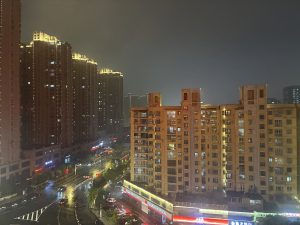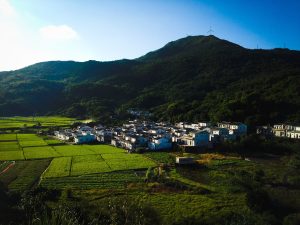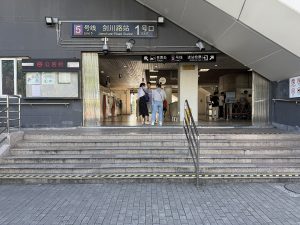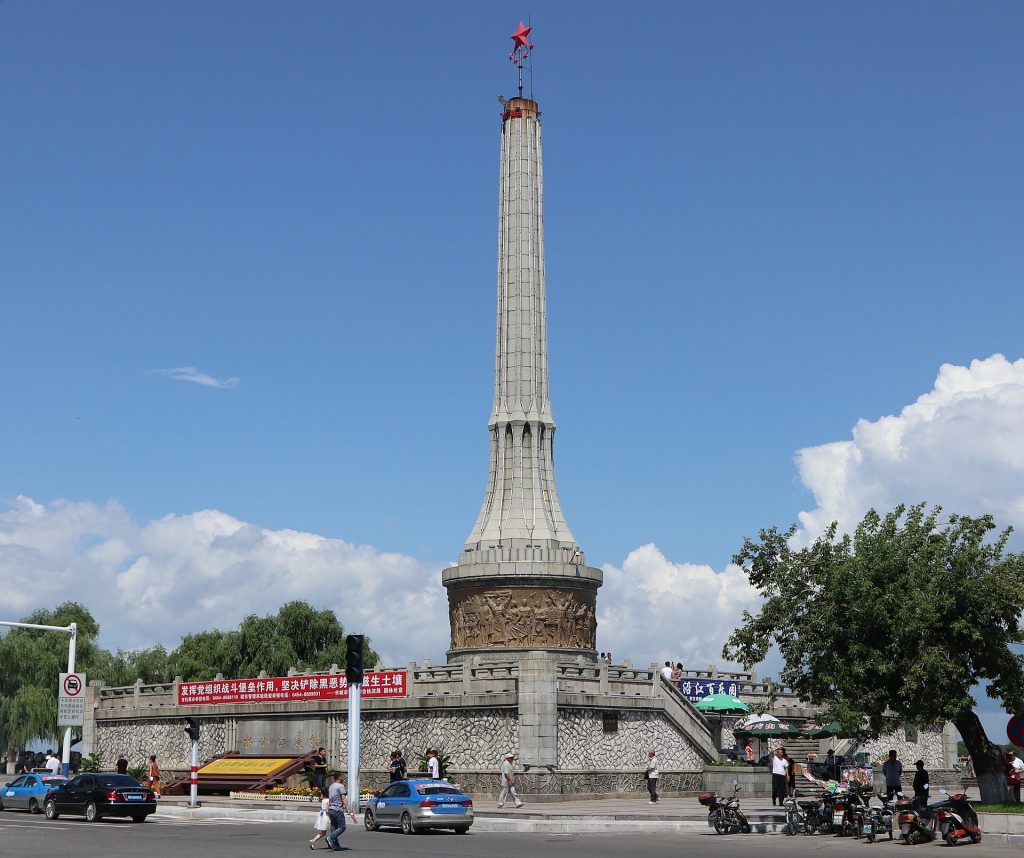
The train from Harbin clatters across the black-soil plain for six hours before the Songhua River flashes gray through the window. Steam rises from the platform at Jiamusi station even in late spring, and the air carries wet coal and pine. A taxi driver leans on his horn, waving me toward a sedan with a cracked leather seat. “East or west bank?” he asks. I say east, toward the university district, and we merge into a flow of electric scooters that move like a single organism.
Orientation: Two Banks, One Rhythm
Jiamusi spreads along a wide bend of the Songhua. The east bank holds the administrative core, the university, and the airport road. The west bank is older, grittier, with wholesale markets and Soviet-era apartment blocks that lean into each other. Most visitors stay east, but the ferry crossing — five minutes, a few yuan — is the best way to see the city’s scale. In winter the river freezes solid enough for trucks; in summer the banks fill with pop-up grills and families flying kites shaped like centipedes.
Getting There: Wheels, Wings, and the Long Rail
Flights land at Dongjiao Airport, ten kilometers out on the east fringe. A taxi to the city center takes twenty minutes if traffic allows; the airport bus runs every half hour and stops at the main railway station. Trains are the workhorse. The overnight from Harbin pulls in around 6 a.m., depositing you onto a platform where vendors sell steamed corn and vacuum-packed pickled cabbage. High-speed services now cut the Harbin run to under three hours, but the old slow trains are cheaper and let you watch the forest thin into farmland. Long-distance buses from Mudanjiang or Hegang terminate at the station square, useful if you’re chasing the Russian border at Tongjiang.
Moving Around: Buses, Apps, and the Frozen River
City buses numbered 1 through 30-something cover the grid. Route 1 runs the length of Jiefang Road, the main commercial spine; Route 11 loops past the river park and the museum. Fares are one yuan, cash or QR. Didi works, but drivers often cancel short hops. In January the river becomes a road: ice lanes marked with spruce branches connect the banks, and minivans shuttle commuters across for a fraction of the bridge toll. Rent a shared e-bike via the Meituan app if you read Chinese; otherwise, walk the riverfront promenade — it stretches ten kilometers without a major crossing.
Three Days: River, Forest, Border
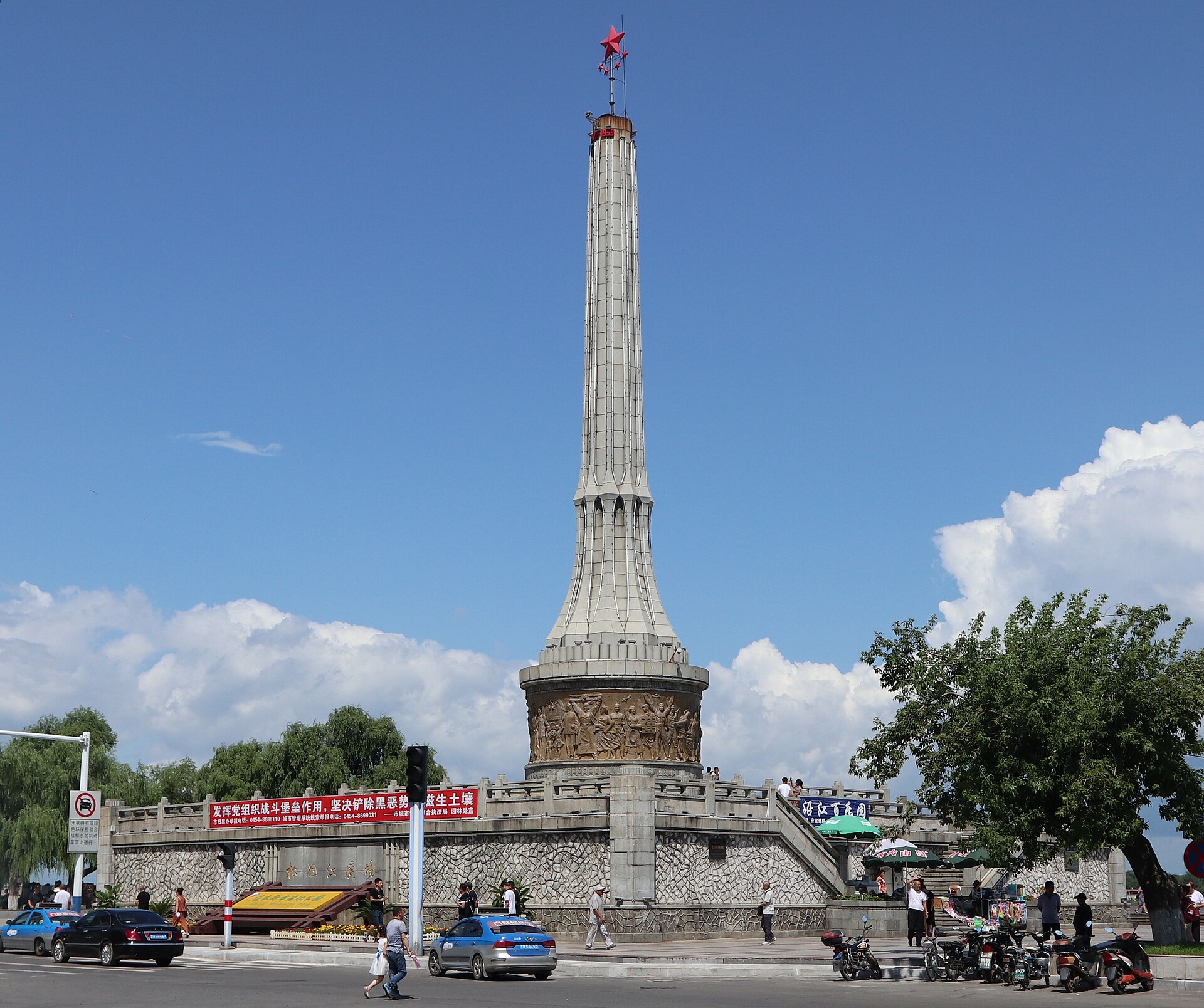
- Morning: Walk Jiefang Road to the Songhua River Bridge. Climb the observation tower for the city panorama. Midday: Eat cold noodles at a stall near the university — buckwheat, vinegar, chili oil, cucumber ribbons. Afternoon: Visit the Jiamusi Museum (closed Mondays) for Hezhe ethnic artifacts and fossilized mammoth molars. Evening: Barbecue on the east bank: lamb skewers, grilled leeks, foil-wrapped enoki.
- Morning: Bus 203 to the Wetland Park at the city’s northern edge. Boardwalk trails thread through reed beds; in autumn, swans stage here by the thousands. Midday: Picnic with smoked fish bought from a vendor at the park gate. Afternoon: Return via the Forestry College campus — ginkgo alleys turn gold in late October. Evening: Hot pot in Xiangyang District: split broth, frozen tofu, hand-sliced mutton.
- All day: Hire a driver (¥400–600 round trip) to Fuyuan, the easternmost county. Stand at the confluence of the Heilong and Wusuli rivers — China’s first sunrise point. Visit the Hezhe village of Jiejinkou for fish-skin clothing demonstrations. Return before dark; the road has no streetlights.
Seasons: When the City Changes Character
Late spring brings the “ice run” — chunks of river ice the size of cars grinding downstream, best watched from the bridge with a paper cup of hot soy milk. Summer is short and humid; locals escape to the Xingkai Lake wetlands for lotus root and crayfish. The autumn frost sweetens the cabbage destined for sour pickles, and the university campus burns yellow with ginkgo. Winter is the defining season: temperatures drop below minus twenty, the river becomes a highway, and the Ice Lantern Festival lights the river park with sculptures carved from crystal-clear blocks harvested in December. Lunar New Year shuts most restaurants for three days; plan for dumplings at a host family or the hotel buffet.
Practical Traps and Local Expectations
- Language: Mandarin with a heavy Northeastern accent. Few English signs outside the airport and four-star hotels. Carry a screenshot of your destination in characters.
- Cash: Mobile payment dominates, but small vendors at the night market and ferry booths still prefer small bills. Keep a hundred yuan in tens and twenties.
- Border zones: Tongjiang and Fuyuan require a frontier permit for non-Chinese passport holders. Apply at the Jiamusi Public Security Bureau entry-exit hall two working days ahead; bring passport, visa, and a passport photo.
- Heating schedule: Central heating starts November 15 and ends March 15. Hotels outside those dates can be cold; ask for an electric blanket when booking.
- Taxi meters: Drivers sometimes claim the meter is broken after midnight. Insist on the flag-fall rate (¥8) plus ¥1.9 per kilometer, or call Didi and screenshot the estimate.
On my last night I stood on the frozen Songhua, the city lights blurred behind a curtain of ice fog. A fisherman drilled a hole, dropped a line, and pulled up a carp the length of my forearm. He laughed, slipped it into a plastic bag, and rode off on a motorbike whose headlight cut a clean cone through the dark. That moment — practical, unscripted, deeply local — is what Jiamusi hands you when you stop looking for landmarks and start watching the rhythm.