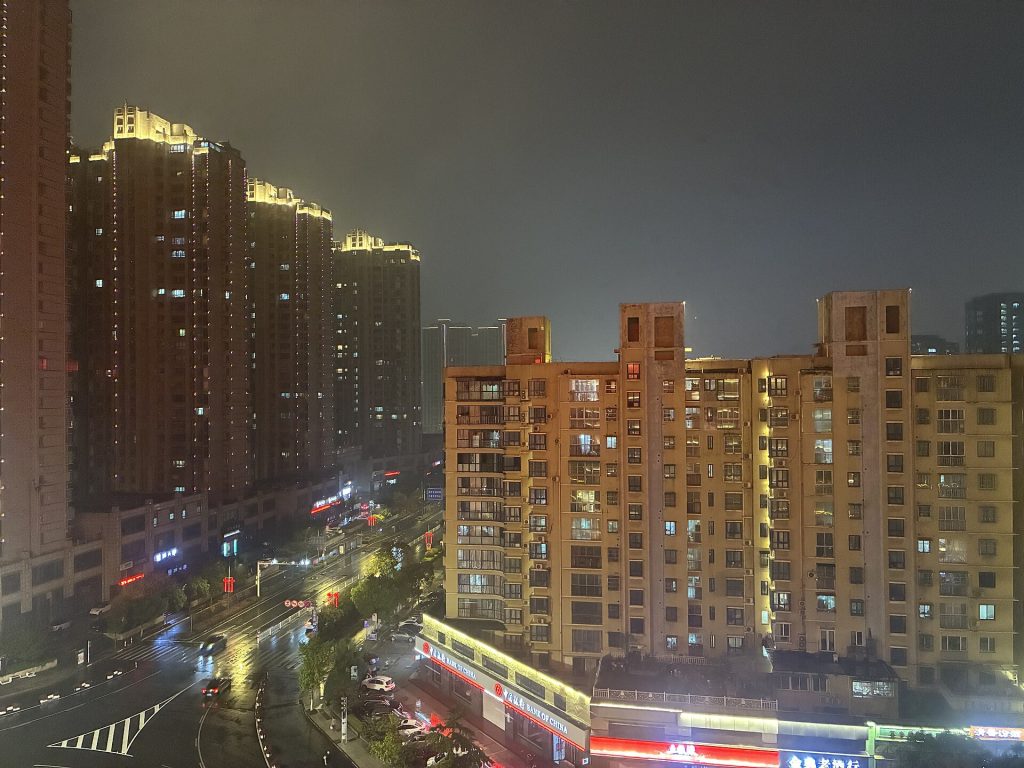
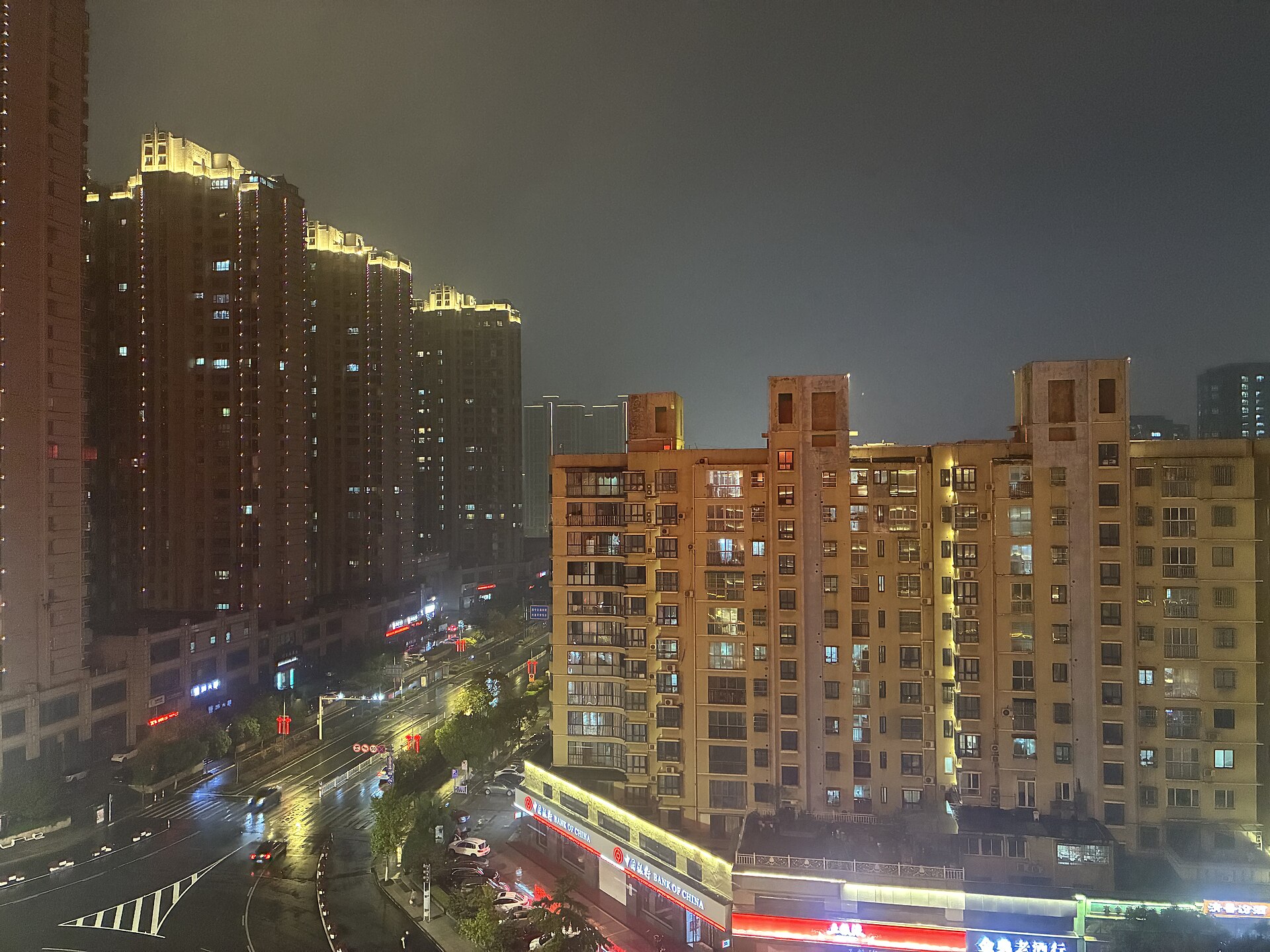
The train from Shanghai pulls into Suzhou North in twenty minutes, but the platform feels like a different century. Steam rises from a vendor’s bamboo steamer — pork dumplings, pleated tight, skin translucent — while commuters in down jackets scroll WeChat with one hand and snap chopsticks with the other. No grand gateway announces the province. Jiangsu just begins: canals threaded through stone, the hum of electric bikes, the smell of soy-braised shallots drifting from a back-alley kitchen. You don’t arrive here. You slip into the current.
Reading the Waterways
Jiangsu sits on a flat alluvial plain where the Yangtze pushes east and the Grand Canal stitches north to south. Water dictates the rhythm. In the old quarters of Suzhou, Wuxi, and Yangzhou, canals replace avenues. Stone bridges arch over black water; whitewashed walls reflect lanterns at dusk. The best way to orient yourself is to follow a towpath at dawn. You’ll pass retirees practicing tai chi on a riverside plaza, a fisherman hauling a net heavy with hairy crabs in autumn, a barge loaded with sand churning south. The canal isn’t scenery. It’s infrastructure. Locals still use it to move bricks, vegetables, and the occasional piano.
If you have a week, ride the high-speed spine — Nanjing, Zhenjiang, Changzhou, Wuxi, Suzhou, Kunshan — but peel off at each stop for a half-day on the water. In Wuxi, hire a wooden skiff at Liangxi River just before lunch. The boatman poles you past willow curtains into a inlet where lotus roots grow thick in the mud. In Yangzhou, walk the Slender West Lake at first light when mist clings to the pavilions and the only sound is a pipa tuning in a teahouse. Don’t try to “do” the Grand Canal in one go. It’s a thousand kilometers of living artery. Sip it in sections.
City Personalities: Where to Sleep, Where to Wander
Nanjing carries weight. Six dynasties and the Republic chose it as capital. The Ming Xiaoling Mausoleum climbs Purple Mountain in a procession of stone elephants and mythic beasts; the Nanjing Massacre Memorial Hall demands silence. But the city’s pulse is in the lanes around the Confucius Temple (Fuzimiao). At night, the Qinhuai River glows with red lanterns reflected in oily water. Eat duck blood vermicelli soup from a stall where the broth has simmered since midnight. Stay in a courtyard hotel near the old city wall — rooms open onto a shared garden where elders play xiangqi under a ginkgo tree.
Suzhou trades gravity for grace. The classical gardens — Humble Administrator’s, Lingering Garden, Master of Nets — are UNESCO sites, yes, but they’re also blueprints for how to live in a courtyard. Go when the gates open. Sit on a taihu stone and watch light migrate across a latticed window. Skip the rickshaw circuit. Rent a bicycle and ride the Pingjiang Road canal at dusk: bookshops spilling onto the sidewalk, a tailor stitching silk qipaos, the scent of osmanthus cake from a bakery that’s used the same copper molds for three generations.
Wuxi feels industrial at the station — steel, auto parts, solar panels — but the lakefront tells another story. Taihu Lake spreads shallow and silver, ringed by parks where kites fight the wind. The Lingshan Grand Buddha towers eighty-eight meters, but the real pilgrimage is the nearby Brahma Palace, a subterranean hall of sandalwood and nanmu where incense coils hang like chandeliers. Stay on the peninsula near Yuantouzhu (Turtle Head Isle). Wake early, rent a scooter, chase the sunrise along the causeway.
Yangzhou is the chef’s city. Marco Polo claimed to have governed it; locals laugh and say he just ate well. The Slender West Lake is a painted scroll — willows, bridges, a five-pavilion bridge that looks like a centipede frozen mid-dance. But the soul lives in the morning market at Dongguan Street. Steamers stacked three high: crab roe buns, jade dumplings, thousand-layer oil cakes. Find a stool at a noodle shop before 7 a.m. Order Yangzhou fried rice — each grain separate, studded with ham, shrimp, egg, scallion — and a bowl of clear soup with hand-pulled noodles. The broth remembers every hand that stirred it.
Changzhou and Nantong get overlooked. Changzhou’s China Dinosaur Park sounds kitsch; the fossil hall inside is world-class. Nantong’s Haohe River encircles the old city like a moat; cruise it at night when the bridges breathe neon. Rugao, a county-level city under Nantong, has more centenarians per capita than anywhere in China. Visit a longevity banquet: eight cold dishes, eight hot, each labeled with a wish — “bright eyes,” “steady legs,” “clear mind.”
The Table: What Arrives, How It Tastes, How to Order
Jiangsu cuisine (Su cuisine) is the sweet spot of Chinese cooking — literally. Sugar balances salt, vinegar cuts oil, and freshness is non-negotiable. The province eats by the calendar: hairy crabs in the ninth lunar month, shad in the third, water shield soup when the first shoots break the lake surface. Restaurants post seasonal boards in chalk. Point. Nod. Eat.
Signature dishes you’ll meet:
- Squirrel-shaped Mandarin Fish (松鼠鱼) — whole fish deboned, cross-hatched, deep-fried into a crisp fan, drowned in sweet-sour tomato-ginger sauce. The head stares back. Eat with fingers.
- Lion’s Head Meatballs (狮子头) — pork fat and lean hand-chopped to paste, folded with water chestnut, steamed then braised in soy broth with napa cabbage. Size of a tennis ball. Melts on the tongue.
- Yangzhou Fried Rice (扬州炒饭) — rice chilled overnight, each grain coated in egg, tossed with Yunnan ham, river shrimp, peas, scallion. No soy sauce. The wok breathes.
- Braised Pork Belly in Soy (红烧肉) — cubes seared, then hours in rock sugar, Shaoxing wine, star anise, cinnamon. Sauce clings like lacquer. Served over steamed buns to soak the gravy.
- Hairy Crab (大闸蟹) — steamed whole, no seasoning. Dip in ginger-vinegar. Roe gold, meat sweet. Eat in autumn with hot yellow wine.
- Water Shield Soup (莼菜汤) — emerald strands of aquatic plant slippery as silk, floating in chicken broth with egg threads. Spring only.
- Stinky Tofu (臭豆腐) — fried black, crust cracking to custard center. Served with chili oil and pickled cabbage. Smells like a locker room. Tastes like revelation.
Home method: Lion’s Head Meatballs (serves four)
- 500 g pork shoulder, 3:1 lean to fat, hand-chopped (never ground) until sticky
- 50 g water chestnut, minced fine
- 1 egg white, 1 tbsp cornstarch, 1 tsp salt, ½ tsp white pepper, 1 tbsp Shaoxing wine
- 2 cups napa cabbage, rough chunks
- Braise: 3 cups chicken stock, 3 tbsp light soy, 2 tbsp dark soy, 2 tbsp rock sugar, 3 slices ginger, 1 star anise, 1 cinnamon stick
- Mix meat, water chestnut, egg white, cornstarch, salt, pepper, wine. Stir one direction until elastic. Form four balls. Steam 15 minutes. Transfer to braise. Simmer 40 minutes. Add cabbage last 10 minutes. Serve in deep bowls.
Restaurant ordering protocol: In a mid-range Su restaurant, order one cold dish (smoked tofu, drunken chicken), one steamed whole fish (seasonal), one braised item, one vegetable (stir-fried pea shoots with garlic), one rice or noodle. Share. The host pays. If you’re the guest, fight the bill once, then let it go. Tipping doesn’t exist. Service charge is baked into the menu.
Beginner mistakes: Asking for “less sugar” — the balance collapses. Ordering hairy crab in spring — you’ll get frozen, mushy regret. Eating the fish head first — start at the collar, work back. Leaving rice in the bowl — finish it. The host notices.
Calendar and Customs: When to Show Up, What to Expect
The lunar calendar runs the show. Spring Festival (first month) shuts intercity transport for a week; book tickets sixty days out. Qingming (early third month) brings families to ancestral tombs — highways clog, trains sell out. Dragon Boat Festival (fifth month) means zongzi pyramids in every market and races on the canals. Mid-Autumn (eighth month) is mooncake season: salted yolk, lotus paste, flaky crust. Hairy crab peaks in the ninth month; Yangcheng Lake crabs hit the markets at midnight, auctioned by the jin.
Summer is wet. Plum rains (meiyu) arrive in the sixth month — weeks of drizzle, mold on leather, umbrellas as fashion. Typhoons brush the coast in the seventh and eighth months. Autumn is crisp, dry, golden. Winter bites damp cold; heating north of the Yangtze is central, south of it you layer quilts and drink hot ginger tea.
Locals rise early. Markets peak at 6 a.m. Temples fill at 7 a.m. with incense and kneeling. Lunch is the main meal — hour-long, multi-dish, often with colleagues. Naps follow. Evening strolls (sanbu) start after 8 p.m.: grandparents pushing toddlers, couples sharing roasted sweet potatoes, students memorizing English vocabulary under streetlights. Join the walk. It’s the only way to learn the rhythm.
Getting Around: Wheels, Rails, Feet
High-speed rail is the spine. Nanjing–Shanghai: 90 minutes. Nanjing–Suzhou: 50 minutes. Trains run every 15–20 minutes peak. Book on the 12306 app with a Chinese phone number or at any station window — passport required. Seats: second class (five across), first class (four across), business (lie-flat). Standing tickets exist; avoid unless desperate.
Within cities, metro systems cover Nanjing, Suzhou, Wuxi, Changzhou, Nantong, Xuzhou. Clean, bilingual, cheap. Buses reach everywhere else — pay by QR code or transit card. Taxis start around 10 yuan; Didi (ride-hail) works with international cards linked to Alipay/WeChat Pay. Electric bikes are the true local vehicle. Rent one from a street kiosk (deposit via phone) if you’re steady on two wheels. Helmets optional but smart.
For canal towns — Zhouzhuang, Tongli, Luzhi, Mudu — take a direct tourist bus from the nearest city station or hire a driver for the day. The water towns swell with day-trippers by 10 a.m. Stay overnight in a family guesthouse. The canals empty at dusk. You’ll hear the water slap the stones and an old radio playing pingtan storytelling from a second-floor window.
What Newcomers Get Wrong
They treat Jiangsu as a day trip from Shanghai. It’s a province the size of Austria with thirteen prefecture-level cities. You need two weeks to scratch the surface. They pack heels for garden paths — cobblestones and moss eat stilettos. They skip the morning market, sleeping through the best food and the clearest light. They photograph the gardens but never sit in them. The gardens are for sitting.
They assume “Jiangsu food” means sweet. It means balanced. The sugar is a bridge, not a destination. They order one dish per person. Food is communal. They refuse the baijiu toast. At a business banquet, sip. At a family table, you’ll be poured a thimble of yellow wine — drink it, tap the table twice with two fingers (thanks), pour for your neighbor. They forget cash. Mobile pay dominates, but small stalls, temple donation boxes, and the occasional taxi still want red notes.
They expect English everywhere. In Nanjing and Suzhou tourist zones, signs are bilingual. Step two blocks into a residential lane and the menu is characters only. Learn six dishes by heart. Carry a photo of your hotel address in Chinese. Download Pleco (dictionary) and a translation app that works offline. Smile. Point. The auntie behind the counter will feed you something glorious.
The train north from Nanjing crosses the Yangtze on a bridge that shudders with freight. On the far bank, the land flattens into rice paddies stippled with egrets. A farmer in a conical hat guides a water buffalo. The tracks cut straight through. You watch, you breathe, you realize: this isn’t a place you visit. It’s a place that stays in your fingers — the oil of a crab shell, the grit of a taihu stone, the steam of a dumpling rising against a gray sky. You’ll come back. The current pulls.



