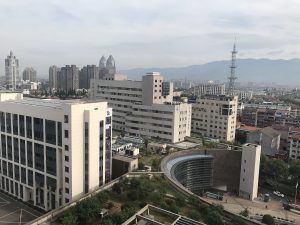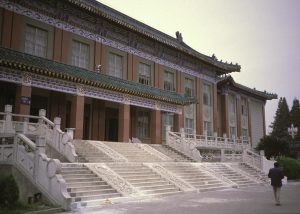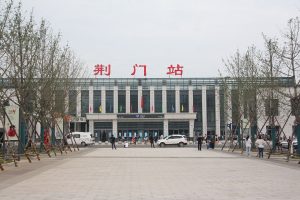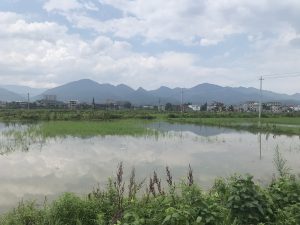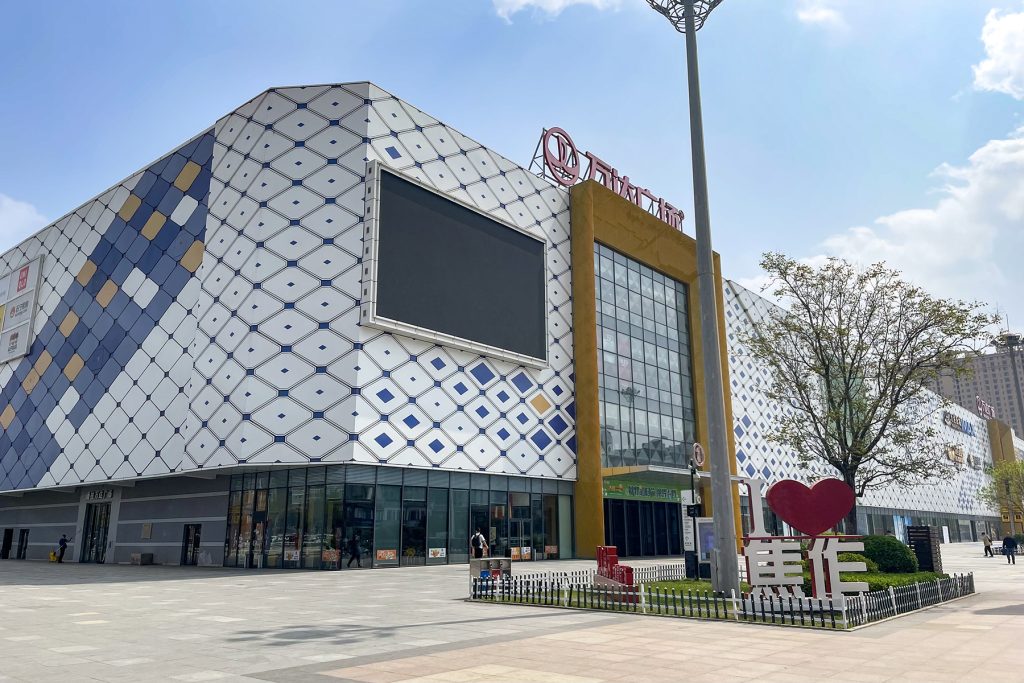
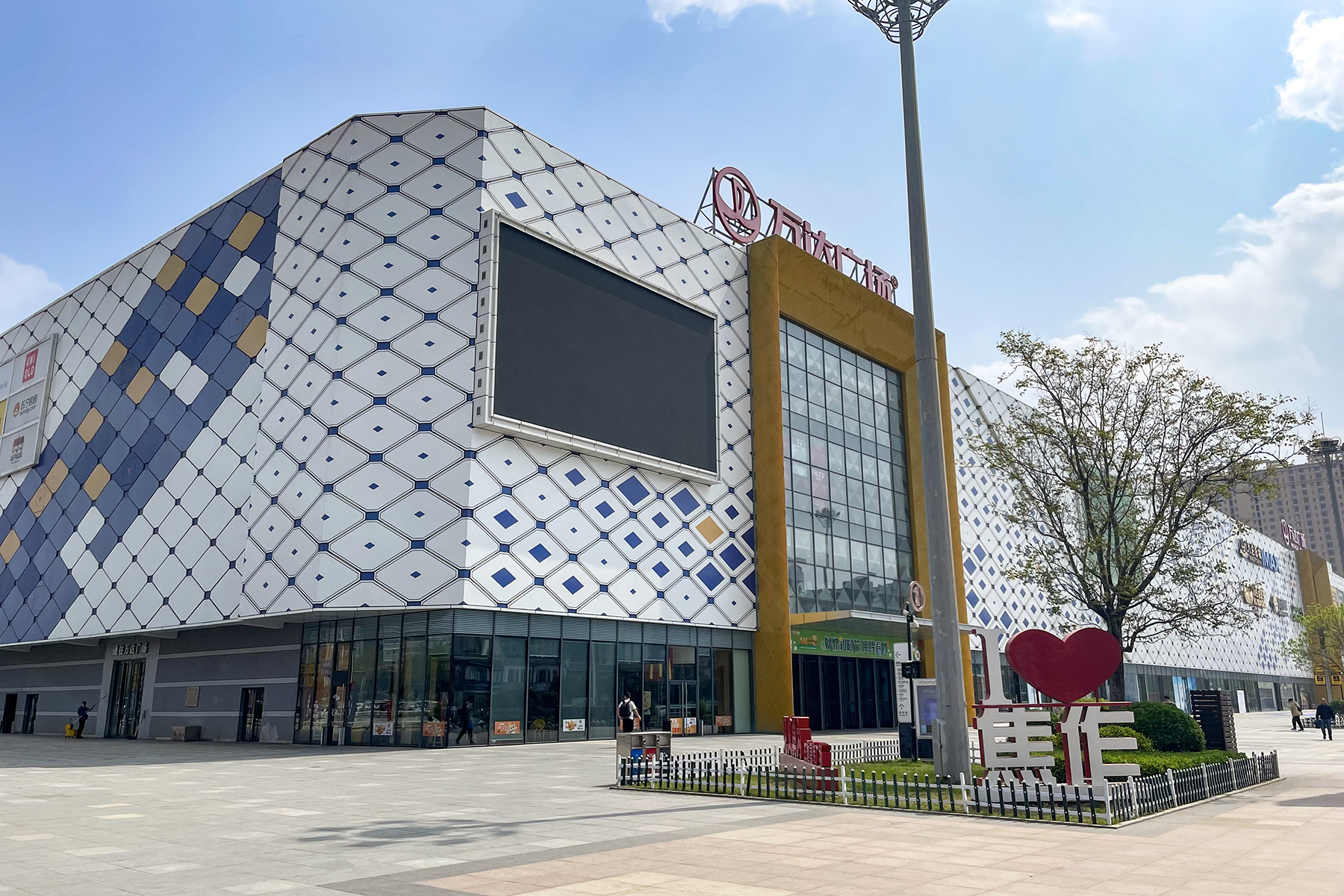
The high‑speed train from Zhengzhou slides into Jiaozuo West Station just after sunrise. Mist still clings to the Taihang foothills, and the air smells of coal smoke and steamed wheat buns from a vendor near the taxi stand. I shoulder my pack, buy a cup of lukewarm soy milk from a woman who gestures at a plastic stool, and watch the city wake up — delivery scooters weaving past cyclists carrying baskets of persimmons, an old man practicing sword forms in the station plaza. This is not a postcard Henan; it is a working city that happens to sit on top of some of the province’s most dramatic scenery.
Getting oriented
Jiaozuo spreads along the northern edge of the Taihang Mountains, with the urban core split into four districts — Shanyang, Zhongzhan, Macun, and Shan Yang — plus two county‑level cities and four rural counties. The high‑speed rail station sits in the western suburbs, about twenty minutes by car from the main hotel cluster near People’s Square. City buses 1, 3, and 9 connect the station to the downtown bus hub; a ride costs two yuan and runs every ten minutes until late evening. Taxis are plentiful, but drivers rarely speak English, so have your destination written in characters. If you plan to hop between mountain sites, renting a car for the day (around three hundred yuan with a driver) saves hours of waiting for rural minibuses.
When to show up
The city bakes in July and August, when temperatures climb past thirty‑five Celsius and thunderstorms roll off the peaks every afternoon. Winter bites — daytime highs hover just above freezing, and the wind off the plateau cuts through a down jacket. The sweet spot arrives in the fourth lunar month (late April to late May) and again in the ninth lunar month (mid‑October to mid‑November). Spring brings wild peach blossoms on the slopes; autumn paints the maple corridors of Yuntai crimson. Weekends during those windows fill the scenic areas with tour groups from Zhengzhou and Xi’an, so aim for a Tuesday through Thursday if you want breathing room on the trails.
Mountains, waterfalls, and a gorge that swallows sound
Yuntai Mountain Global Geopark is the headline act, and it earns the crowds. The park stretches across several valleys, each with its own ticket gate and shuttle loop. I entered through the main south gate at 7:30 a.m., bought the through‑ticket (valid for three days), and caught the first electric bus to Red Stone Gorge. The walkway clings to a sheer cliff face; waterfalls drop in thin ribbons that turn to mist before they hit the pool below. By 9 a.m. the boardwalk is shoulder‑to‑shoulder. If you want quiet, stay on the bus two stops longer to Tanpu Gorge — fewer railings, steeper steps, and a narrow slot canyon where the only sound is water hitting rock.
Qingtianhe, thirty kilometres northeast of the city, feels like a miniature Three Gorges. A reservoir snakes between limestone walls; you can rent a paddle boat or hop the sightseeing ferry that runs every forty minutes. The real draw is the cliff‑side plank road bolted into the rock above the water — narrow enough that two people must turn sideways to pass. I met a retired geology teacher there who pointed out fossilized crinoids in the limestone, remnants of a shallow sea that covered this land two hundred million years ago.
For a half‑day hike without the tourist infrastructure, head to Fenglin Gorge in Bo’ai County. The trail follows a streambed through a forest of Chinese fir and maple. No shuttle, no ticket booth — just a stone marker at the village entrance. Bring water, wear shoes with grip, and tell your guesthouse owner when you expect to return; cell signal vanishes after the first kilometre.
History that isn’t behind glass
The city museum on Wenhua Road holds a decent collection of Han‑dynasty bronze mirrors and Tang‑era pottery, but the living history sits in the lanes around the old Drum Tower. Sima Yi’s ancestral hall survives as a courtyard compound where descendants still burn incense on the fifteenth day of the seventh lunar month. A few blocks away, the former residence of Han Yu — Tang dynasty essayist and poet — has been restored with calligraphy scrolls reproducing his “Memorial on the Bone of the Buddha.” The caretaker, a woman in her sixties, will brew you a cup of bitter green tea and recite a few lines if you ask politely.
The Seven Sages of the Bamboo Grove are commemorated in a park on the western outskirts. Stone pavilions shade statues of the seven scholars; each holds a scroll, a flute, or a wine cup. Locals practice tai chi here at dawn, and a blind erhu player often sets up near the lotus pond. It’s not a reconstructed theme park — it’s a neighborhood park where history shares space with morning exercise and grandparents chasing toddlers.
Eating where the locals eat
Jiaozuo’s cuisine leans salty, wheaty, and heavy on vinegar. The signature dish is huimian — wide hand‑pulled noodles drowned in a lamb broth that has simmered since midnight. A proper bowl arrives with a spoonful of chili oil, a tangle of cilantro, and a side of pickled garlic cloves. The best version I found sits in a nameless shop behind the railway station: a stainless‑steel pot, a wooden chopping block, and a chef who stretches dough into ribbons faster than my eye can follow.
- Lamb shoulder, bone‑in — 500 g
- High‑gluten flour — 400 g
- Water — 180 ml
- Salt — 1 tsp
- Ginger, smashed — 30 g
- Green onion, knotted — 2 stalks
- Sichuan peppercorns — 1 tsp
- Dried chili flakes — 2 tbsp
- Light soy sauce — 3 tbsp
- Black vinegar — 2 tbsp
- Cilantro, chopped — 1 bunch
- Garlic cloves, pickled — 10
- Knead flour, water, and salt into a firm dough. Cover with a damp cloth; rest thirty minutes.
- Blanch lamb bones in boiling water two minutes; drain and rinse.
- Return bones to a clean pot with four litres cold water, ginger, green onion, and peppercorns. Simmer three hours, skimming foam.
- Roll dough into a thin sheet; dust with flour and cut into two‑centimetre ribbons.
- Boil noodles ninety seconds; transfer to bowls.
- Ladle hot broth over noodles. Top with chili flakes, soy sauce, vinegar, cilantro, and pickled garlic.
If you order huimian in a restaurant, specify “qing tang” (clear broth) or “hong tang” (red, chili‑rich). Beginners often ask for “less spicy” and receive a bland bowl; the heat is what lifts the lamb’s gaminess. Another staple is shaobing — sesame‑crusted flatbread baked in a clay oven. Vendors split them hot and stuff them with braised pork, fermented bean curd, and cucumber ribbons. Eat it standing at the counter; the crust shatters in your hand.
Sleeping, moving, and the mistakes that cost time
Mid‑range hotels cluster around People’s Square and the university district. A clean double with reliable hot water runs two hundred to three hundred yuan. Book through a domestic app (Ctrip, Meituan) — foreign booking sites often show “no availability” for properties that accept only Chinese ID registration. Hostels are rare; the few that exist sit near the high‑speed station and cater to domestic backpackers.
Public buses reach every scenic area, but schedules are printed only in Chinese and change with the season. The tourist shuttle from the downtown bus hub to Yuntai runs hourly from 7 a.m. to 5 p.m.; the last return bus leaves the park at 6 p.m. Miss it, and you’re negotiating a private minivan for triple the fare. Taxis to Qingtianhe cost about one hundred twenty yuan each way; agree on the price before you get in, or the meter will run while the driver waits for you at the gate.
Common rookie errors: arriving at Yuntai on a Saturday in the ninth lunar month and spending three hours in the ticket queue (buy online the night before); wearing smooth‑soled sneakers on the plank road at Qingtianhe (wet limestone turns to ice); assuming every restaurant has an English menu (carry a photo of the dish you want); and forgetting cash — many mountain vendors and small noodle shops still don’t take mobile pay from foreign phones.
Leaving with something besides photos
Before the train pulls out, I walk back to the soy‑milk stall. The woman remembers my order — no sugar, extra bean curd skin. She wraps a warm shaobing in brown paper, tucks a pickled garlic clove inside, and waves off payment. “Come back when the persimmons turn red,” she says. The Taihang peaks catch the last light, brushed with gold. Jiaozuo doesn’t perform for visitors; it simply exists, layered with stone, broth, and the quiet pride of people who know their mountains are older than any itinerary.