The minibus rattles to a halt on a dusty shoulder of the G5 expressway, doors folding open onto a parking lot already filling with tour buses. Ahead, the grey-brick ramparts of Pingyao Ancient City rise against a pale winter sky, their crenellations sharp as paper cuts. Vendors wave red lanterns and shout prices for hand-knit wool socks while the scent of coal smoke and frying dough twists from breakfast stalls. This is the gateway to Jinzhong — not a single destination, but a sprawling prefecture where the legacy of Shanxi merchants is written into courtyard walls, temple roofs, and the very layout of the streets.
Getting Oriented in the Prefecture
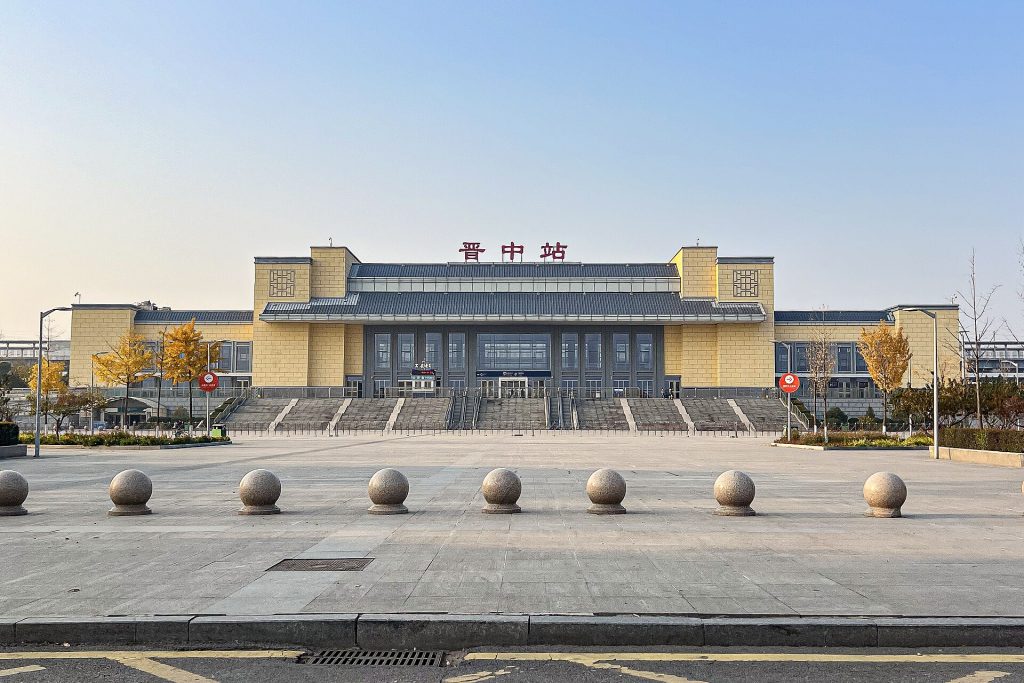
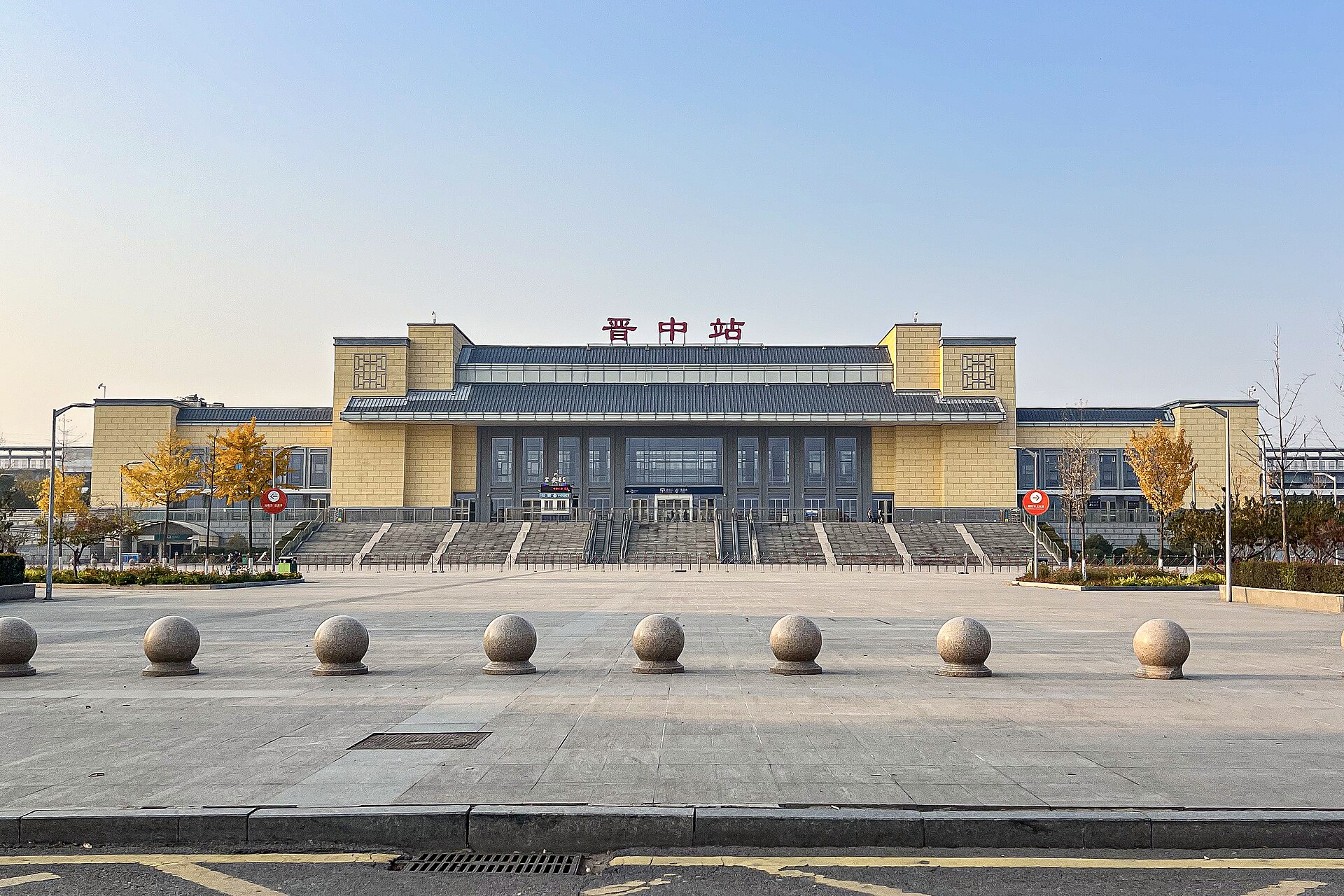
Jinzhong sits in the east-central belt of Shanxi Province, roughly thirty kilometers southeast of the provincial capital, Taiyuan. The Fen River cuts a green corridor along its western flank, while the foothills of the Taihang Mountains climb toward the eastern horizon. Administratively, the prefecture sprawls across two municipal districts, eight counties, and one county-level city — Pingyao itself — covering a patchwork of loess plateau, river valley, and mountain pass. Most visitors land in Taiyuan, then take a high-speed train twenty minutes to Pingyao Gucheng Station or an hour-long bus to the old town’s north gate. If you plan to chase the merchant mansions deeper in the countryside — Qixian’s Qiao Compound, Taigu’s ancestral halls — rent a car or hire a driver; rural bus schedules are sparse and signage switches to dialect fast.
Walking the Merchant Grid: Pingyao Ancient City
Inside the Ming-era walls, the street plan hasn’t shifted since the Qing dynasty: a rigid north-south spine crossed by orderly east-west lanes, forming a grid that once funneled silver and tea to every corner of the empire. Start at the City Tower (Chenghuang Lou) just after dawn, before the tour groups unload. The wooden staircase creaks underfoot; from the second floor you can trace the rooftops — grey tiles curled at the edges, ridge beasts glazed green and yellow — stretching to the ramparts. Descend into the lanes and you’ll find Rishengchang Draft Bank, the first piaohao in Chinese history, its courtyard still smelling of ink and aged sandalwood. The ledgers on display show hand-brushed characters recording transactions from Beijing to Hankou. Two alleys west, the County Government Office (Xian Ya) lets you sit behind the magistrate’s desk and hear the hollow thud of the wooden gavel used to open court.
- Morning ritual: Buy a bowl of tofu brain (doufunao) from the stall beside the South Gate — silky curds swimming in vinegar-chili broth, topped with minced garlic and cilantro. Eat standing, spoon clinking against the plastic bowl.
- Midday escape: Slip into the Confucian Temple’s rear courtyard. The ancient cypresses shade stone steles; students still rub the tortoise-backed tablets for exam luck.
- Evening glow: Climb the West Gate section of the wall at sunset. Lanterns flicker on along the parapet, and the city’s hum drops to bicycle bells and mahjong tiles clacking in courtyard homes.
Beyond the Walls: Qiao and Wang Family Compounds
Forty minutes north by car, the Qiao Family Compound (Qiao Jia Dayuan) sprawls across a shallow valley in Qixian County. Six large courtyards, twenty smaller ones, and over three hundred rooms unfold behind a high screen wall designed to deflect both wind and prying eyes. The Qiao brothers built their fortune on tea, tobacco, and the draft-bank network that moved silver without moving carts. Walk the central axis: the main hall’s columns are whole nanmu trunks, their grain still visible after two centuries. Side rooms display the tools of the trade — abacuses with beads worn smooth, iron-bound ledger chests, a scale calibrated for sycee silver ingots. Don’t skip the back garden; a stone boat floats in a pond fed by a diverted spring, a quiet boast of hydraulic engineering.
Another half-hour drive west brings you to the Wang Family Compound in Lingshi County, larger and less restored. Here the courtyards climb a slope, linked by stairways that turn each visit into a leg workout. The Wangs rose from farming to finance, and their ancestral hall still hosts a New Year ceremony where descendants kowtow before tablets inscribed with generation poems. In the kitchen courtyard, a massive iron cauldron sits over a brick stove — once used to feed hundreds of retainers during the winter solstice. Ask the caretaker to show you the hidden grain silo beneath a false floor; its ventilation shafts are disguised as decorative brick patterns.
Mountain Breath: Mianshan and the Hanging Temple
East of the prefecture, the Taihang foothills rise into Mianshan (Mian Mountain), a ridgeline of sheer cliffs and pine-forested gullies. The mountain is famous for the Cold Food Festival, traced to the Warring States loyalist Jie Zitui, who chose death by fire over serving a lord he deemed unworthy. Pilgrims still climb the stone steps to the Dragon Head Temple, where incense coils hang from the eaves year-round. The real draw, though, is the Yunfeng Temple — a complex wedged into a vertical cliff face, its halls connected by catwalks bolted into the rock. You climb a steel staircase bolted to the cliff, each step vibrating with the wind. At the summit, a narrow platform offers a view across the Fen River valley to the smokestacks of Taiyuan on clear days.
- Gear up: Wear hiking boots with grip; the cliff paths are polished smooth by centuries of sandals.
- Timing: Start the ascent by 8 a.m. to avoid the midday tour buses that clog the narrow catwalks.
- Fuel: Pack roasted sweet potatoes and a thermos of hot water — mountain vendors sell instant noodles at triple the town price.
Eating Like a Merchant: Noodles, Vinegar, and Fire
Shanxi cuisine runs on wheat and vinegar, and Jinzhold kitchens keep the tradition sharp. In Pingyao’s back alleys, look for a storefront with a flour-dusted window where a chef pulls lao mian (hand-pulled noodles) into a boiling pot with a rhythmic slap-slap-slap. The broth is clear pork bone, the noodles springy enough to bounce off the spoon. Top with a spoonful of aged Shanxi mature vinegar — black, syrupy, sour with a whisper of sweetness — and a drizzle of chili oil flecked with Sichuan peppercorns. For a heavier meal, order kao rou (roast meat) at a courtyard restaurant: lamb marinated in cumin, fennel, and salt, skewered on willow sticks and slow-roasted over a jujube-wood fire until the fat caramelizes into a glassy crust.
- Home-style vinegar noodles (cù miàn): Boil fresh alkaline noodles thirty seconds. Toss with two tablespoons aged vinegar, one tablespoon light soy, minced garlic, julienned cucumber, and a splash of sesame oil. Eat immediately.
- Steamed stuffed bun (ròu jiā mó) hack: Buy plain steamed buns from a morning vendor. Slice horizontally, stuff with cold braised pork belly (from last night’s market), pickled mustard greens, and a smear of fermented bean paste. Press flat on a dry skillet until the bun toasts golden.
Rhythms and Missteps: What Locals Know
The lunar calendar still governs life here. During the Spring Festival, every compound hangs red couplets and sets off firecrackers at midnight; the ancient city’s gates stay open all night, and families share dumplings stuffed with coin-shaped lotus root slices for prosperity. In the seventh lunar month, the Ghost Festival sees paper boats floated on the Fen River, their tiny lanterns flickering downstream. A newcomer often mistakes the quiet of a weekday afternoon for closure — many courtyard museums shut for a two-hour lunch break starting at noon, reopening when the sun drops lower. Another trap: buying “antique” coins from street hawkers near the South Gate. The patina is shoe polish; the real artifacts are in the bank museum’s locked cases. And don’t assume Mandarin works everywhere — in the mountain villages above Lingshi, elders speak a Jin dialect where “thank you” sounds closer to “xie xie” swallowed whole. Learn to nod, smile, and hand over a cigarette or a piece of fruit; the gesture translates better than words.
A Three-Day Loop That Holds Together
Day one: Arrive mid-morning, drop bags in a courtyard guesthouse inside Pingyao’s walls. Spend the afternoon on the wall walk and the draft bank. Dinner at a family-run noodle shop near the West Gate. Day two: Hire a driver for the Qiao and Wang compounds; pack a lunch of cold noodles and fruit. Return by dusk for a vinegar tasting at a century-old shop that still ferments in ceramic jars buried underground. Day three: Early train to Mianshan, climb to Yunfeng Temple, descend by late afternoon. Catch the high-speed rail back to Taiyuan with a bag of vacuum-packed aged vinegar and a hand-carved abacus from the old town’s craft street. The rhythm is deliberate — not a checklist, but a pace that lets the merchant ghosts whisper in the courtyard dust.