The minibus shudders to a halt on a dusty shoulder of the G209, and the driver gestures toward a gap in the poplar windbreak. Through the trees, the Yellow River does not flow so much as thunder, funneled into a slot canyon where it drops thirty meters in a single, muddy curtain. This is Hukou, the “Teapot Mouth,” where the river narrows from three hundred meters to fifty before exploding into mist. There is no viewing platform here, just a wet rock ledge and the vibration of water hitting water in your chest.
Getting Oriented
Linfen sits in the southern bowl of Shanxi, straddling the Fen River as it snakes toward the Yellow River. The city proper spreads along a north-south axis: the old railway station and the Yao Temple district anchor the south, while the new high-speed station and government towers rise in the north. Most visitors treat Linfen as a launchpad. You base yourself in the city for a night, hire a driver at dawn, and chase the waterfall or the cave dwellings before the tour buses arrive. The prefecture is wide—counties like Xiangfen, Hongtong, and Jixian hold the real prizes—so a car is not optional, it is the itinerary.
The Waterfall and the Gorge
Hukou straddles the border with Shaanxi. The Shanxi side is steeper, louder, and less developed. From the parking lot, a paved path drops two hundred meters to the riverbank. In late spring, when the peach blossoms bloom in the gorge, the mist catches the light and throws rainbows into the spray. By high summer, the river runs thick with loess, the color of strong tea with milk, and the roar drowns conversation. Winter turns the splash into ice sculptures—frozen mushrooms clinging to the cliffs, the river reduced to a dark slit beneath a white shell.
Do not wear leather-soled shoes. The algae-slicked basalt will dump you in the current before you can blink. Bring a cheap plastic poncho; the fine mist soaks through a windbreaker in minutes. If you want the classic photograph—the river disappearing into the “teapot spout”—walk upstream twenty minutes to the Dragon Cave viewpoint. The path is unmarked; follow the fishermen’s trail along the cliff edge. Locals sell roasted sweet potatoes from foil-wrapped trolleys near the exit. Eat one with the skin on; the sugar caramelizes against the charcoal.
Yao Temple and the Roots of Ritual
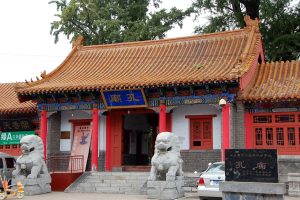
Back in the city, the Yao Temple complex sits behind a screen of ancient cypress trees, some so thick three adults cannot link hands around them. The compound honors the legendary Emperor Yao, who supposedly ruled from a capital near here four thousand years ago. The main hall dates to the Tang dynasty, though the paint is Ming. Inside, a statue of Yao sits solemn, hands folded, while side halls display stelae inscribed with Qing-era sacrificial odes.
Come on the third day of the third lunar month. The temple fair draws villagers from the surrounding loess plateau. They carry paper offerings, set off strings of firecrackers that leave red confetti ankle-deep, and queue to touch the “Dragon King Cypress” for fertility. The air smells of incense, fried dough twists, and coal smoke. If you arrive on a quiet Tuesday, the custodian might unlock the rear pavilion where a Song-dynasty stone carving maps the Fen River’s ancient course—channels that vanished centuries before the Yellow River shifted its bed.
Hongtong Great Pagoda Tree and the Migration Memory
Twenty kilometers north, in Hongtong County, the Great Pagoda Tree Park marks a different kind of origin story. During the early Ming, the imperial court forcibly relocated thousands of families from this spot to repopulate the north. The “Second Great Pagoda Tree,” a gnarled stump propped by steel crutches, is the survivor of the original under which officials checked household registers. Descendants of those migrants—surnames Zhang, Wang, Li, Zhao—return each Qingming Festival to burn paper money at the root.
The museum here does not flinch. Wax figures depict families weeping as they board ox-carts; a wall lists the destination prefectures—Beijing, Tianjin, Hebei, Shandong. You will see visitors pressing foreheads to the glass, tracing a name. The attached genealogical library holds copied registers; staff will help you search if you bring a surname and a home village name. Allow two hours. The park’s rear gate opens onto a lane of noodle shops where the specialty is dao xiao mian—knife-shaved noodles dropped into boiling broth with a rhythmic thwack-thwack that echoes the woodcutter’s axe.
Cave Dwellings in Xiangfen
Drive thirty minutes west to Xiangfen County, turn off the expressway at the sign for “Yaodong Village,” and the landscape folds into itself. The loess cliffs here are soft enough to carve, hard enough to stand. Families have excavated homes into the hillside for generations: a sunken courtyard ten meters deep, rooms arched back into the earth, each with a papered window framing a rectangle of sky. In July, the interior stays twenty degrees cooler than the surface; in January, a single kang bed heated by a straw fire keeps the whole chamber warm.
Mrs. Li, a widow in her seventies, rents two rooms to travelers. She wakes at five to knead dough for steamed buns, the yeast starter bubbling in a cracked enamel basin. Breakfast is buns stuffed with chive and egg, a dish of pickled garlic stems, and millet porridge thick enough to stand a spoon in. She does not speak Mandarin, only the local Jin dialect, but she will gesture you to the low stool, refill your bowl without asking, and tuck a extra bun into your pack for the road. Pay cash. Leave your shoes at the courtyard lip. Do not photograph the ancestral tablets on the back wall without a nod.
Where to Sleep and Eat in the City
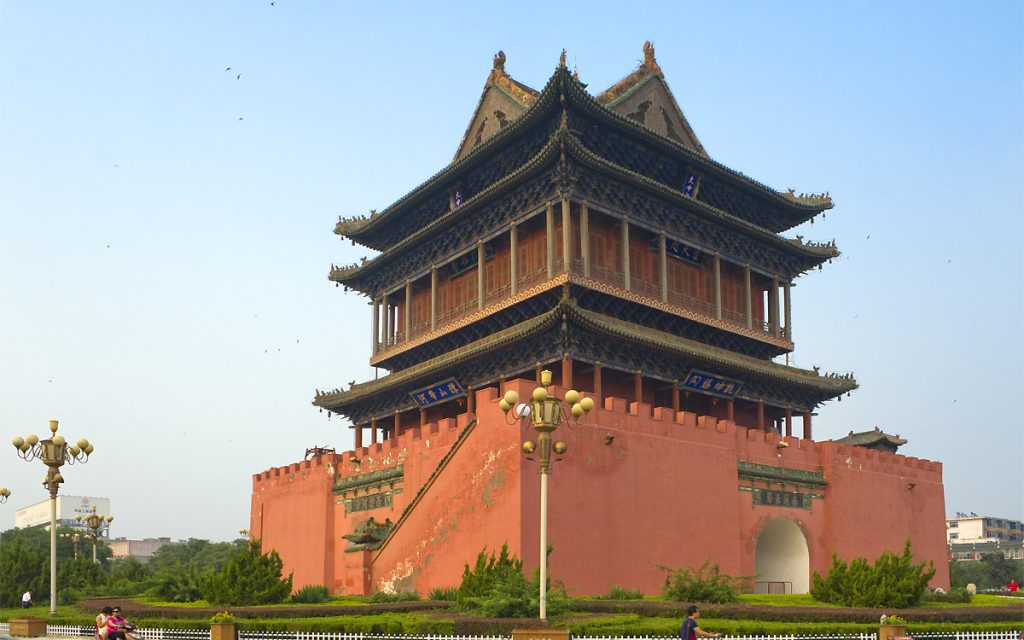
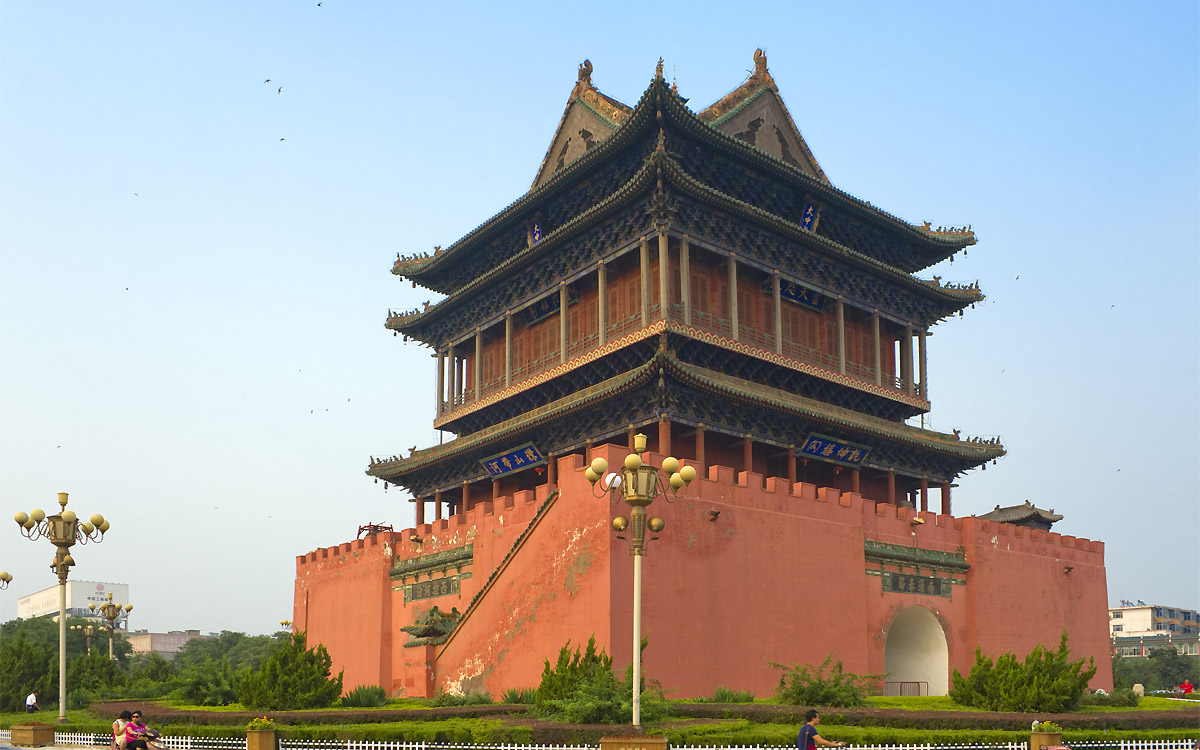
Linfen’s hotel cluster hugs the intersection of Jiefang Road and Binhe Road. The international chains—Jinjiang, Atour, Hampton—occupy floors twelve through twenty of glass towers. Rooms are predictable: blackout curtains, reliable hot water, English-speaking front desk. A standard king runs three to four hundred yuan off-season. For character, walk three blocks west to the alley behind the Drum Tower. A courtyard guesthouse run by a retired teacher offers four rooms around a pomegranate tree. Breakfast is hand-pulled noodles in vinegar-pepper broth. No elevator. Squat toilet shared. Two hundred yuan, cash only.
Dinner demands Linfen lamb soup. The broth simmers from dawn: lamb femur, spine, tail fat, ginger, peppercorn, and a pinch of dried tangerine peel. You order by the bowl—clear or milky—and the ladle pulls up slices of paper-thin meat, glass noodles, and cilantro. Dip the accompanying flatbread in the fat slick. The best bowl I ate was at a stall opposite the old train station, where the owner skims the broth with a flat sieve every five minutes. He serves until the pot runs dry, usually by eight. Arrive at six, claim a plastic stool, and watch the regulars argue over the last spoonful of marrow.
Moving Around Without a Driver
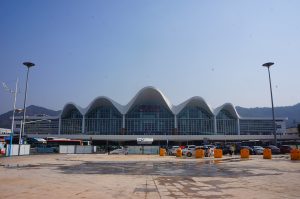
High-speed rail connects Linfen West to Taiyuan in one hour, to Xi’an in two. The station is twelve kilometers north of the city center; a taxi costs forty yuan, the airport bus ten. City buses are an education: Route 1 runs the length of Jiefang Road, packed with students and grannies hauling market baskets. Pay by QR code or exact coin; drivers do not carry change. For Hukou, the tourist bus departs the west square of the old railway station at 7:30 and 8:30 each morning, returns at 16:00. Ticket includes park entry. It fills by 7:00. If you miss it, a shared van from the long-distance station leaves when full—usually four passengers—and costs eighty yuan each way. Bargain hard; the driver will quote double to a foreign face.
Mistakes That Cost Time
- Booking a day tour that combines Hukou and the Hanging Temple. They are four hours apart in opposite directions. You will spend twelve hours in a van and forty minutes at each site.
- Assuming the Yao Temple fair runs every weekend. It follows the lunar calendar. Check the date before you book the hotel.
- Wearing white sneakers to the cave village. The loess dust is a fine ochre powder that never fully washes out.
- Ordering “spicy” lamb soup. The broth’s flavor is the lamb; chili oil is a condiment on the side. Ask for la jiao if you want heat, but taste the clear broth first.
- Expecting English signage at the Hongtong genealogy library. Bring a Chinese-speaking friend or a translation app with offline OCR.
The train pulls out of Linfen West as the sun drops behind the Lüliang Mountains. Through the window, the loess plateau unrolls in folds of yellow and green, dotted with the dark mouths of cave homes. You carry the taste of lamb fat on your fingers, the echo of the waterfall in your ears, and a steamed bun wrapped in a napkin for the journey. The city fades, but the dust stays under your fingernails for days.