The minibus from Lishui station smelled of dried bamboo shoots and cigarette smoke, the kind of scent that clings to your jacket for days. We had just stepped off the high-speed train from Shanghai, legs stiff from three hours of 300 kilometers an hour, and now the road climbed into the mountains, hairpin after hairpin, the Ou River flashing green far below. By the time the bus shuddered to a halt in front of a hotel advertising “Celadon & Sword” in fading red neon, the sun was low behind the ridges. That first night, dinner was a bowl of hand-pulled noodles topped with pickled mustard greens and a spoonful of chili oil that made my lips tingle — simple, hot, and exactly what the altitude demanded.
Getting There Without Losing a Day
Most travelers come from Shanghai or Hangzhou. The direct long-distance bus from Shanghai South Station still runs once a day — six to seven hours on the expressway — but the schedule shifts with the season, so confirm the departure time the night before. The faster rhythm is the high-speed rail to Lishui: trains leave Hongqiao and Hangzhou East every hour or so, and the ride to Lishui takes about two and a half hours. From Lishui station, walk across the forecourt to the long-distance bus terminal; coaches to Longquan leave every thirty minutes and climb the mountain road in ninety minutes. Buy the bus ticket with cash or a transport app; no reservation needed. If you arrive late, a shared taxi waits near the station exit — four strangers, one fare, door to your hotel.
Moving Around the Valley
The city center fits inside a grid of three main roads; you can walk from the bus station to the celadon museum in twenty minutes. For the kiln sites and sword workshops scattered along the river, grab a public bus — routes 1, 2, and 3 loop the industrial zones — or hail a ride-hailing car; drivers know every factory gate. Rent an electric scooter from a shop near the People’s Park if you want to chase the mist up to the old Longquan kiln ruins at Daoxian; the battery lasts a half day and the mountain air clears your head. Taxis are plentiful but few speak English; have your destination written in characters.
What to See: Fire, Steel, and Water
The Longquan Celadon Museum sits on a hill overlooking the new town. Inside, the lighting is kept dim to protect the glaze, and the pieces progress from Tang dynasty ash-gray bowls to Song ice-crackle vases that look like frozen breath. Allow two hours; the captions are bilingual. Downriver, the Dayao Kiln Site Park preserves the actual dragon kilns — long brick tunnels built into the slope where wood fired for days. Walk the length of one kiln, peer into the fireboxes, and you understand why the glaze shifts from plum green to bean green depending on where the pot sat. For swords, head to the Longquan Sword Factory showroom on Jianchi Road. Master smiths still fold high-carbon steel by hand; you can watch the hammer rhythm through a glass wall. If the master is free, he may let you hold a finished jian — cold, balanced, humming with history.
What to Do: Clay, Blade, and Trail
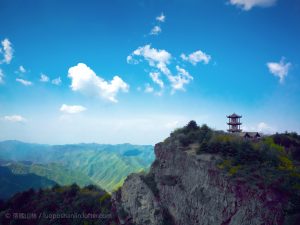
Book a half-day pottery session at the Ceramic Experience Center near the museum. You sit at a kick wheel, the instructor guides your thumbs, and the lump of local clay rises into a wobbly cup. It will be glazed and fired for you; pick it up before you leave or have it shipped. For a deeper dive, ask your hotel to arrange a visit to a family workshop in Shangyang village — no storefront, just a courtyard kiln and generations of hands. Sword enthusiasts can join a forging demonstration at the Sword Culture Park: heat the billet, fold, quench, grind. The sparks fly, the water hisses, and you leave with a small letter opener you tempered yourself. When the workshops close, hike the Jiulongfeng trail behind the city. Stone steps wind through bamboo groves to a ridge where, on a clear autumn morning, you see the whole valley — river, kilns, tile roofs — laid out like a scroll.
What to Buy: Green Glaze and Cold Steel
- Celadon: Look for the “Ge” crackle pattern — fine golden lines in a pale green glaze — or the thicker “Di” glaze, glossy as melted jade. Authentic pieces carry a kiln mark on the base; ask the seller to point it out. Prices range from a few hundred yuan for a tea cup to thousands for a master’s vase. Avoid anything labeled “antique” without a certificate; reproductions are excellent but not investment grade.
- Swords: A functional training jian starts around one thousand yuan; a display piece with ray-skin grip and brass fittings runs higher. Test the balance — the point of balance should sit two fingers above the guard. Reputable shops provide a steel-composition sheet and a maker’s seal. Do not buy from street vendors near the station; the steel is often mild and the temper fake.
- Local pantry: Dried bamboo shoots, wild mushroom powder, and Longquan green tea (pan-fired, chestnut aroma) pack light and travel well. Vacuum-sealed packs survive the journey home.
Eating: Mountain Flavors on a Wood Table
Longquan cuisine leans salty, sour, and spicy — preservation flavors from a place where winter lingers. Order the signature dish: stewed bamboo shoots with cured pork belly, the fat rendered translucent, the shoots chewy and sweet. Another staple is “three fresh” soup — river fish, tofu, and wild greens simmered until the broth turns milky. For a snack, find a stall selling fried gluten puffs stuffed with minced pork and pickled radish; eat them hot from the paper bag. Vegetarians should ask for the temple-style braised mushrooms grown on local logs; the umami is deep enough to fool a carnivore. Restaurants cluster around the old west gate; the ones with plastic stools and handwritten menus usually beat the hotel dining rooms. Point at what the table next to you is eating — it works every time.
Seasons, Festivals, and Local Rhythm
Spring tea harvest begins around the Qingming solar term; the hills turn bright green and the air smells of roasting leaves. Summer brings the Dragon Boat races on the Ou River — loud, wet, and crowded. The Celadon Culture Festival falls in the eighth lunar month; kilns open their doors, masters give talks, and the night market stretches for kilometers. Autumn is the sweet spot: cool mornings, clear skies, and the persimmon trees heavy with orange fruit. Winter is quiet; some workshops slow production, but the hot springs at nearby Xijian stay open, steam rising into frosted pines. Check the lunar calendar before you book; a festival week means full hotels and lively streets, a normal week means space to breathe.
Mistakes Newcomers Make
- Assuming the high-speed train stops in Longquan — it stops at Lishui. The bus leg is mandatory.
- Paying “antique” prices for new celadon without a kiln mark or certificate.
- Buying a sword because it looks shiny; skip the balance test and you own a wall hanger, not a blade.
- Skipping the mountain hike because the city looks small — the real scale is vertical, not horizontal.
- Ordering only familiar dishes; the menu’s stranger items are often the kitchen’s pride.
- Expecting English signage beyond the museum; download an offline translation app and photograph characters for taxi drivers.
When the last bus rattles back down the pass toward Lishui, the kilns on the ridge glow orange against the dusk. You carry a wrapped cup, a letter opener, and the taste of bamboo shoots in your fingers. The mountains don’t need you to understand them; they only ask that you walk the paths, watch the fire, and listen to the hammer. Next season, the glaze will shift again.