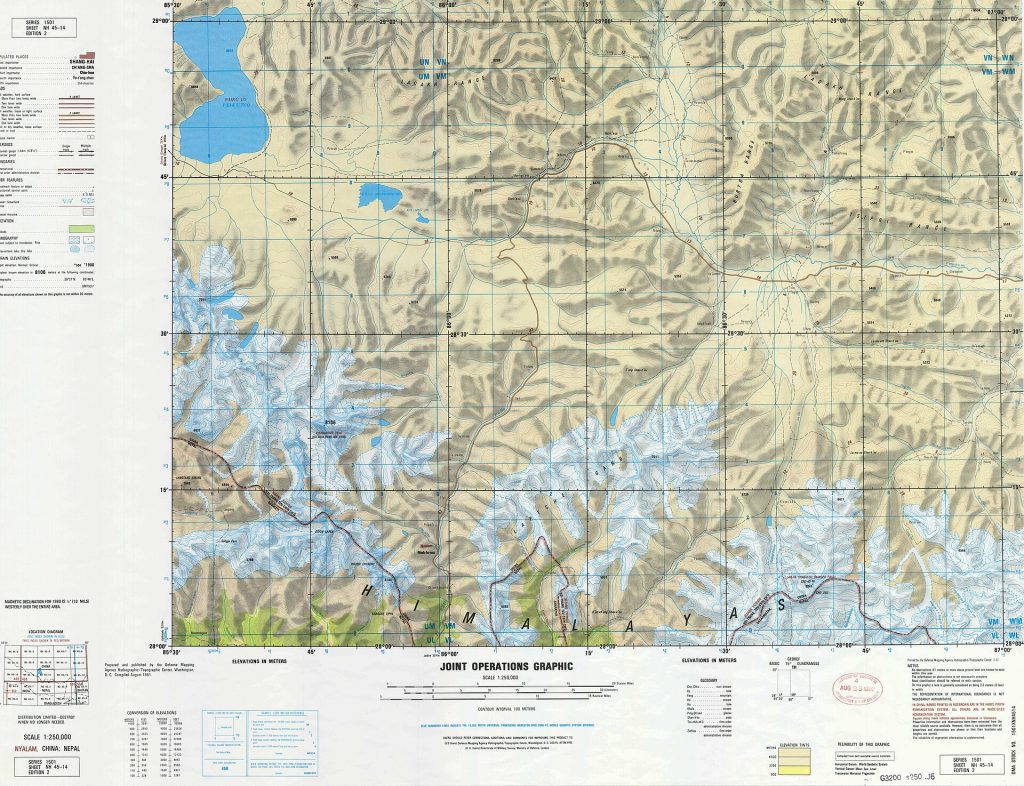
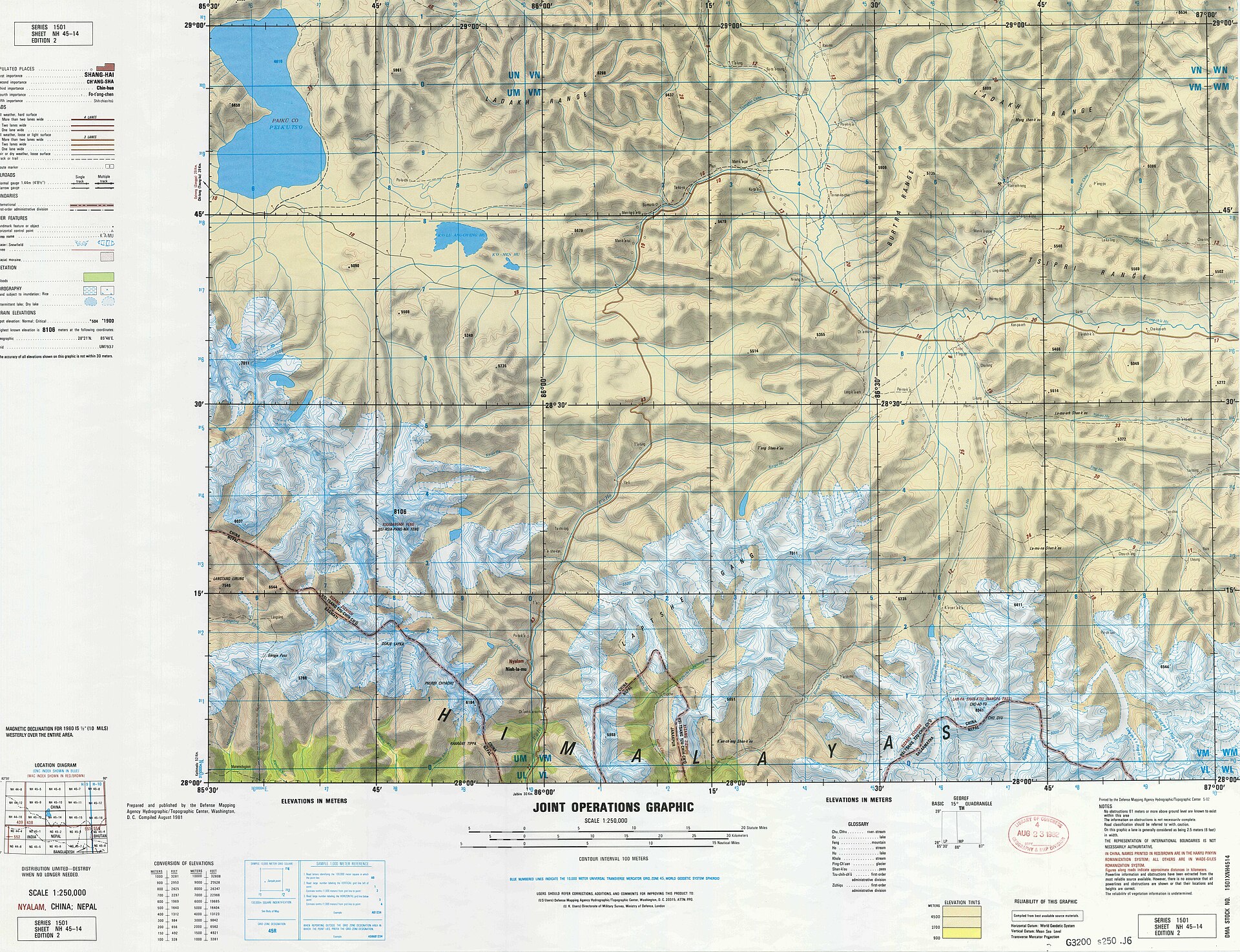
The minibus from Lhasa had been climbing for two days when the engine note dropped and the air thickened enough to feel in the fingertips. We rolled into Nyalam just as the late afternoon sun hit the prayer flags strung across the main drag, turning the printed mantras into streaks of neon blue and white. At 3,750 meters, the town sits in a fold of the Himalaya where the Friendship Highway decides whether to push on to the border or turn back toward Shigatse. A string of concrete guesthouses, a mechanic’s bay with a hand-painted sign, and the smell of yak dung smoke drifting from a courtyard kitchen — that was the welcome committee.
Getting There and Moving Around
Most foreigners arrive on the Friendship Highway, either on a pre-arranged overland tour from Lhasa or coming north from the Rasuwagadhi border crossing in Nepal. The road is paved the whole way, but landslides after heavy rain can close it for hours, sometimes days. If you are on a group tour, the driver handles the permits; independent travelers need the Tibet Travel Permit, the Alien Travel Permit, and a border zone endorsement before the checkpoint at the edge of town will let you through.
Inside Nyalam itself, there is no public bus system. The town stretches a few kilometers along a single ridge, so walking is the default. A shared minivan — usually a white Wuling bread loaf — shuttles between the main intersection and the monastery turnoff for a few yuan. If you are carrying trekking gear, negotiate a private hire at the guesthouse reception; the drivers know every pothole on the side valleys.
Altitude: The First 24 Hours
Nyalam is lower than Lhasa, but the jump from the plateau to this gorge hits differently. The air pressure drops fast on the final descent from the Lalung La pass, and headaches often arrive before dinner. I spent my first night propped on extra pillows, sipping butter tea that the guesthouse owner kept refilling without asking. The rule here is simple: sleep lower than you climbed, hydrate until your urine runs clear, and do not touch alcohol for the first 48 hours.
- Diamox (acetazolamide) is available at the small pharmacy near the crossroads, but bring your own supply if you have a prescription.
- The county hospital has an oxygen tank and a doctor who speaks basic English; it sits behind the Bank of China branch.
- If symptoms worsen — persistent vomiting, ataxia, confusion — descend immediately. The road to Zhangmu drops 1,500 meters in 30 kilometers and can be a lifeline.
Pelgyeling Monastery and the Milarepa Caves
Ten kilometers north, past the village of Zhonggang, the road narrows to a dirt track that climbs through juniper scrub to Pelgyeling. The monastery was rebuilt in the early 1980s with help from Nepalese carpenters, and the woodwork still carries the scent of cedar and butter-lamp soot. Inside the main hall, a glass case holds a fragment of rock said to bear the handprint of Milarepa, the cotton-clad yogi who sang his teachings to shepherds and bandits alike.
A monk with a key will unlock the meditation cave behind the assembly hall if you ask politely and leave a small donation. The space fits two people cross-legged; the walls are blackened by centuries of yak butter lamps. I sat there for twenty minutes while wind rattled the prayer flags outside, and the silence was heavier than the incense. Further up the slope, a faint trail leads to a second cave where Rechungpa, Milarepa’s disciple, reportedly stayed. No signs mark it — just a cairn of white stones and a frayed khata tied to a juniper branch.
Trekking the Lapchi Valleys
The Lapchi region, east of town, is a network of glacial valleys dotted with hermitages and seasonal yak camps. There are no marked trails, no teahouses, and no rescue infrastructure. Trekkers hire a local guide in Nyalam — usually a former monk or a herder who knows the water sources and the snow bridge crossings. A typical five-day loop hits three sacred caves, a high lake that stays frozen until early summer, and a pass where Himalayan griffons ride the thermals at eye level.
- Permits: your Tibetan guide arranges the border military permit; carry three passport photos and a photocopy of your visa page.
- Gear: four-season tent, stove that works at 4,500 meters, and a satellite messenger. Phone signal dies ten minutes out of town.
- Food: buy tsampa, dried yak meat, and vacuum-packed tofu in the Nyalam market. Fresh vegetables are scarce above the tree line.
- Timing: the window is late spring to early autumn. Monsoon clouds can sock in the passes for a week; winter snow buries the trails until the following thaw.
Crossing to Nepal at Rasuwagadhi
The border gate opens at 9 a.m. and closes at 5 p.m. Beijing time, which is two hours and fifteen minutes ahead of Kathmandu. Arrive early; the Chinese side processes foreigners in a single room where an officer scans your passport, checks the permit, and stamps you out. You then walk — or take a shuttle if the gate is busy — across the Resuo Bridge spanning the Bhote Koshi. The Nepali side is a corrugated-metal shed where you queue for a visa on arrival (bring USD cash in small bills) and a luggage X-ray that sometimes works.
Money is a friction point. The Bank of China branch in Nyalam does not run an ATM or exchange foreign currency. Change yuan to rupees in Lhasa or Shigatse before you leave, or carry crisp hundred-dollar bills for the Nepali side. Porters with handcarts wait on the bridge; they charge by the kilogram and expect payment in rupees. If you are continuing to Kathmandu, the shared jeeps leave from the Nepali parking lot when full — usually ten passengers — and the ride takes six to eight hours depending on landslides.
Sleep, Eat, and Practical Details
Two main hotels face each other across the highway: Nyalam Binguan and Snowlands Hotel (Xueyu Luguan). Rooms are basic — twin beds, electric blanket, shared squat toilet down the hall — but the heating works and the owners speak enough English to arrange a guide or a jeep. The Road Workers’ Hotel at the crossroads is cheaper and louder; truck drivers argue over cards until midnight.
Food options cluster along the main stretch. Order the hand-pulled noodles with yak meat broth, a plate of fried potato shreds with dried chili, and a bowl of steamed momo stuffed with cabbage and Sichuan pepper. The best breakfast is tsampa porridge stirred with butter tea and a spoonful of brown sugar — eat it fast before it sets like cement. Restaurants close by 9 p.m.; if you arrive later, the guesthouse kitchen will fry you an egg and toast a mantou if you ask nicely.
- Cash only. No card readers in town. The nearest reliable ATM is in Shigatse.
- Power cuts are common in winter; keep a headlamp and a power bank charged.
- Laundry: hand-wash in the bathroom basin and drape over the radiator pipe. No service exists.
- Post office: a counter inside the Binguan sells stamps and holds poste restante mail for up to a month.
What Newcomers Get Wrong
First, they treat Nyalam as a quick overnight stop. The altitude, the monastery, and the valley trails deserve at least two nights — three if you want to acclimatize properly before the border. Second, they assume the border runs on Nepali time. It runs on Beijing time, and the gate locks at 5 p.m. sharp; I watched a French couple sprint across the bridge with seconds to spare because they had miscalculated the offset. Third, they skip the monastery because it looks “rebuilt.” The reconstruction used traditional joinery and Nepalese artisans; the spirit of the place survived the Cultural Revolution in the memories of the old lamas who returned to rebuild it. Sit in the cave. Listen to the wind. That is why you came.