The minibus coughed its way around a hairpin bend above the Yarlung Tsangpo, and the valley suddenly opened into a basin of barley fields and cypress groves. Prayer flags snapped against a sky so blue it looked edited. I had spent the previous week gasping at 4,500 meters further west; here at 3,000, the air felt thick and sweet, scented with pine resin and wet earth. This is Nyingchi — lower, greener, and far easier on the lungs than the stereotype of Tibet suggests.
When to Show Up
Most travelers aim for the peach blossom season, roughly the third month of the lunar calendar, when the river valleys explode in pink and white. It is spectacular, but the roads clog with tour buses and guesthouse prices double. I prefer the tail end of autumn, the ninth lunar month, when the maples turn the color of brick dust and the tourist tide has receded. Winter is quiet and crisp, good for photography if you don’t mind frozen windshields. Summer brings the monsoon — daily downpours that swell the river to a chocolate torrent and trigger landslides on the Sichuan–Tibet Highway. If you travel then, build buffer days into your itinerary.
Getting There and Moving Around
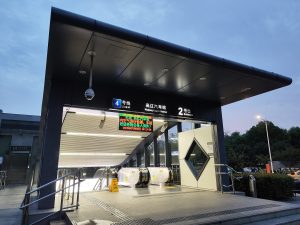
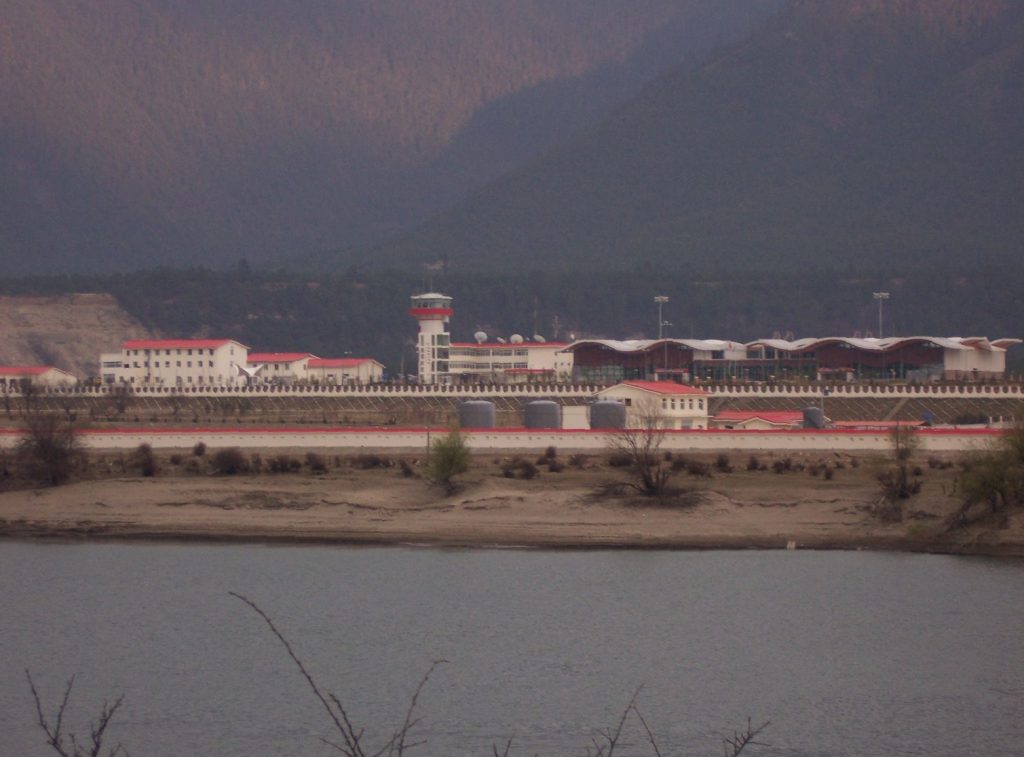
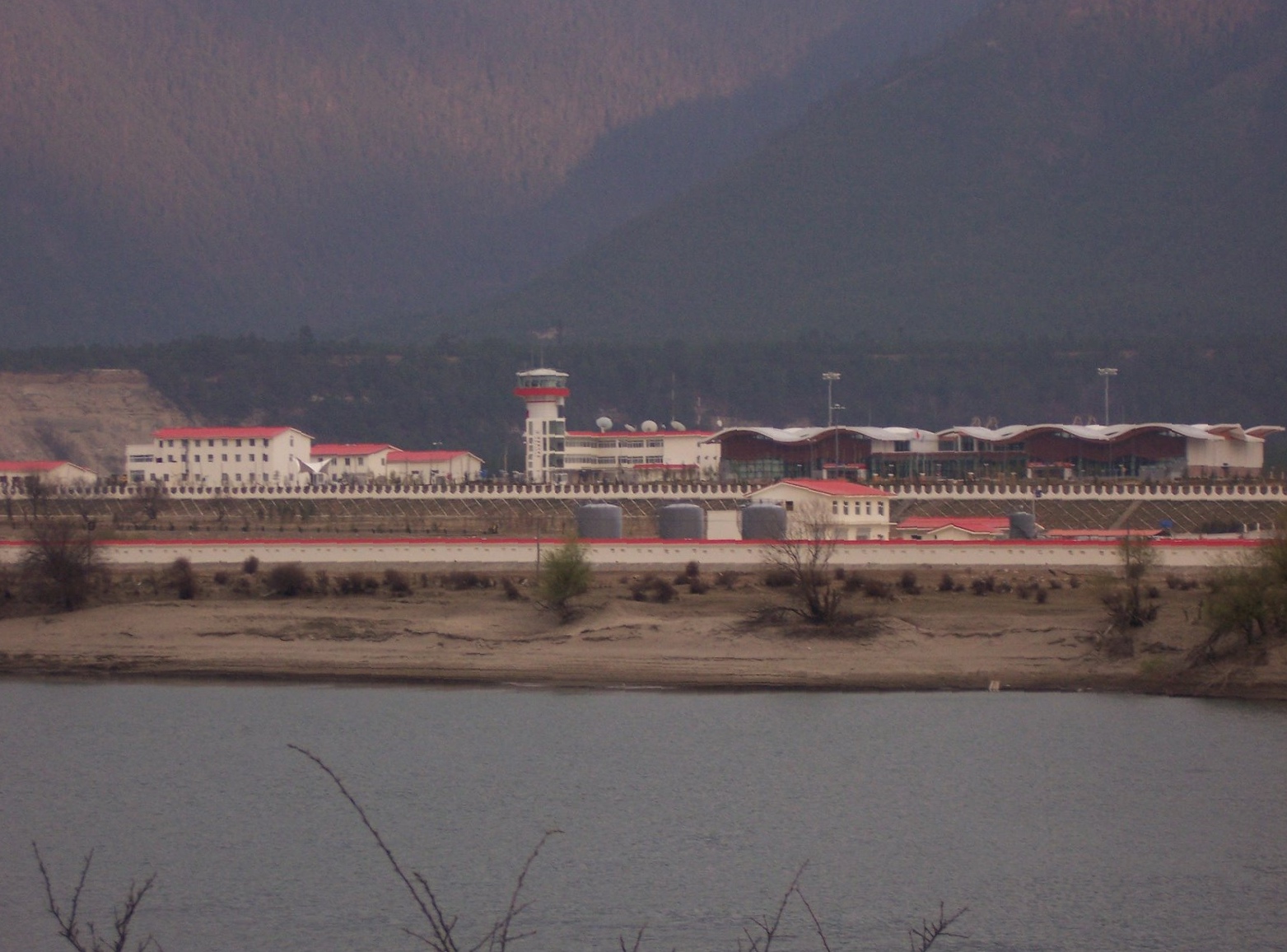
Flights land at Milin Airport, a stubby runway tucked between mountains. The approach is dramatic — wings nearly brushing pine tops — but fog delays are common. From the terminal, a shared taxi to Bayi town takes twenty minutes. The train from Lhasa now terminates at Nyingchi station, a sleek hall that feels oversized for the trickle of passengers. It is a comfortable twelve-hour ride through tunnels and across bridges, but you miss the roadside monasteries and yak herds visible from the highway.
Once in the prefecture, public transport thins out fast. Buses connect Bayi to Menling and Bome on a loose schedule, but reaching Medog or the Grand Canyon trailheads requires a hired driver. I negotiated a Land Cruiser with a Tibetan driver named Dorje for four days; his knowledge of landslide detours saved us half a day. Expect to pay a daily rate that covers fuel, driver meals, and his sleeping quarters. Always confirm the vehicle has a spare tire and a working jack — the roads chew through sidewalls.
Where to Sleep
Bayi has the only cluster of mid-range hotels with reliable hot water and heating. I stayed in a family-run courtyard guesthouse behind the main bazaar: thick quilts, a wood stove in the common room, and the owner’s mother bringing butter tea at dawn. In smaller towns like Bome, options shrink to basic hostels where the shower is a solar bag on the roof. Near the Grand Canyon, a handful of eco-lodges perch on the rim — book weeks ahead for the autumn colors. Camping is possible at designated spots along the river, but night temperatures drop below freezing even in summer. Bring a four-season bag.
Three Days on the Ground
Day One — Bayi and the Nyang River. Walk the river promenade at sunrise; the light hits the peaks across the water. Visit the Bayi Museum for a quick primer on Monpa and Lhoba textiles, then eat lunch at a noodle stall where the broth remembers every hand that stirred it. Afternoon: drive thirty minutes to the Cypress Forest Reserve. A boardwalk loops through trees older than the Ming dynasty. Mosquitoes appear at dusk — bring repellent.
Day Two — The Grand Canyon Viewpoint. Leave Bayi before 7 a.m. The road climbs through tunnels blasted from schist, then drops to the river at Paizhen. The official viewing platform is crowded; walk five minutes downstream along the goat track for a private ledge. The canyon depth here exceeds 5,000 meters — your phone camera cannot capture the scale. Pack a lunch; the only food nearby is instant noodles from a shipping container shop. Return via the same road or, if the driver knows the condition, the older southern route through Bome for a loop.
Day Three — Bome and the Glacier Lake. Head east on the G318. The valley narrows, waterfalls plaster the cliffs, and the forest changes from cypress to spruce. Midui Glacier sits at the end of a paved spur — a twenty-minute walk from the parking lot to the turquoise lake fed by ice melt. Locals sell roasted barley flour and yak jerky from a fold-out table. On the return, stop at the Bome monastery perched on a knuckle of rock. The caretaker monk may invite you for tea if you ask permission to photograph the altar.
Permits, Etiquette, and the Mistakes Newcomers Make
Foreign passport holders need a Tibet Travel Permit arranged through a registered agency before boarding a flight or train. The permit lists exact dates and destinations; deviating without amendment can get you turned back at checkpoints. Medog County requires an additional Alien Travel Permit — apply at least two weeks ahead. Your agency handles paperwork, but carry printed copies in a zip-lock bag; phone screens crack in the cold.
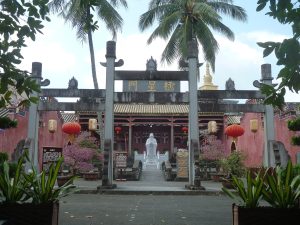
At monasteries, walk clockwise around stupas. Remove hats, silence phones, and never step on threshold beams. Photography inside chapels is usually forbidden; ask before raising a camera. When offered butter tea or barley wine, accept with both hands and sip — refusing outright is considered rude. I once watched a tourist hand a monk a large denomination bill as a “donation” without placing it on the altar tray; the monk returned it with a smile that held no warmth. Place offerings on the designated cloth.
Altitude sickness still strikes at 3,000 meters if you fly in from sea level. Spend the first afternoon horizontal, drink water until your urine runs clear, and avoid alcohol for forty-eight hours. The other common error: underestimating distances. A map shows eighty kilometers; a landslide, a herd of yaks, or a military checkpoint can turn that into four hours. Never schedule a flight out of Milin on the same day you return from the canyon.
Eating on the Road
Restaurant menus in Bayi lean Sichuan — spicy frog, dry-pot chicken, mapo tofu. For Tibetan flavors, look for a hole-in-the-wall with a hand-painted Tibetan script sign. Order thukpa (hand-pulled noodles in yak broth), momo (steamed dumplings with minced yak and onion), and a bowl of tsampa you mix yourself with butter tea at the table. The butter tea is salty, churned, and an acquired taste; think of it as savory broth rather than beverage. Yak meat is lean and dark; overcooking makes it shoe leather. Ask for it flash-fried with green peppers and Sichuan peppercorns.
- Thukpa basics: wheat flour, yak bone broth, radish, scallion, chili oil.
- Momo filling: minced yak, onion, ginger, salt, a pinch of cumin.
- Tsampa mix: roasted barley flour, butter tea, pinch of sugar, knead into a dough ball.
Vegetarians survive on fried rice, cold tofu salad, and the ubiquitous tomato-egg stir-fry. Fresh vegetables arrive on trucks from Chengdu; wash leafy greens in boiled water. Bottled water is everywhere — check the seal. I carry a SteriPen for stream water when hiking, but I still boil it for tea.
Stories from the Valley
Dorje, my driver, told me about the spring his village lost the only bridge to a flash flood. For three weeks they zip-lined supplies across the gorge on a steel cable until the army built a Bailey bridge. He laughed when I asked if he feared the river. “The river feeds us,” he said. “It also takes. We negotiate.”
At the Bome monastery, an elderly nun pressed a blessed cord into my palm. “Tie it on your wrist,” she said. “When it falls off, the wish is delivered.” Six months later, the frayed thread slipped off during a meeting in Shanghai. I cannot say the wish arrived, but the memory of her weathered fingers folding the knot stays warmer than any souvenir.
Nyingchi does not hand you enlightenment on a prayer flag. It gives you wet boots, a burning throat from chilies, a night of stars so dense they cast shadows, and the quiet certainty that the mountains have seen generations come and go. Bring patience, a good down jacket, and the willingness to sit on a wooden stool sharing butter tea with strangers. The rest follows.