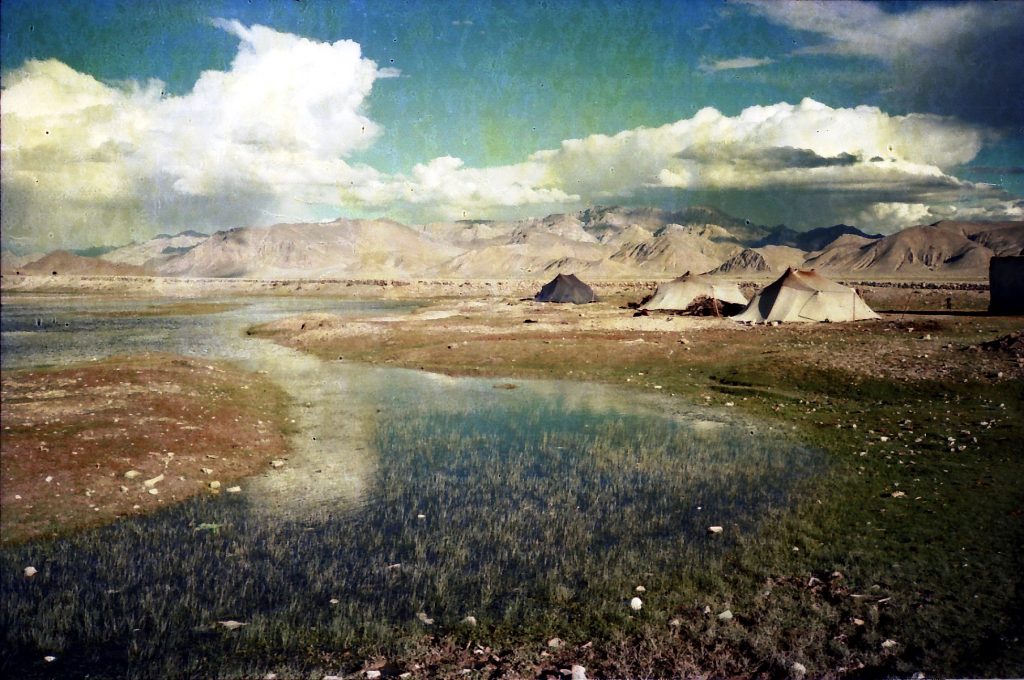
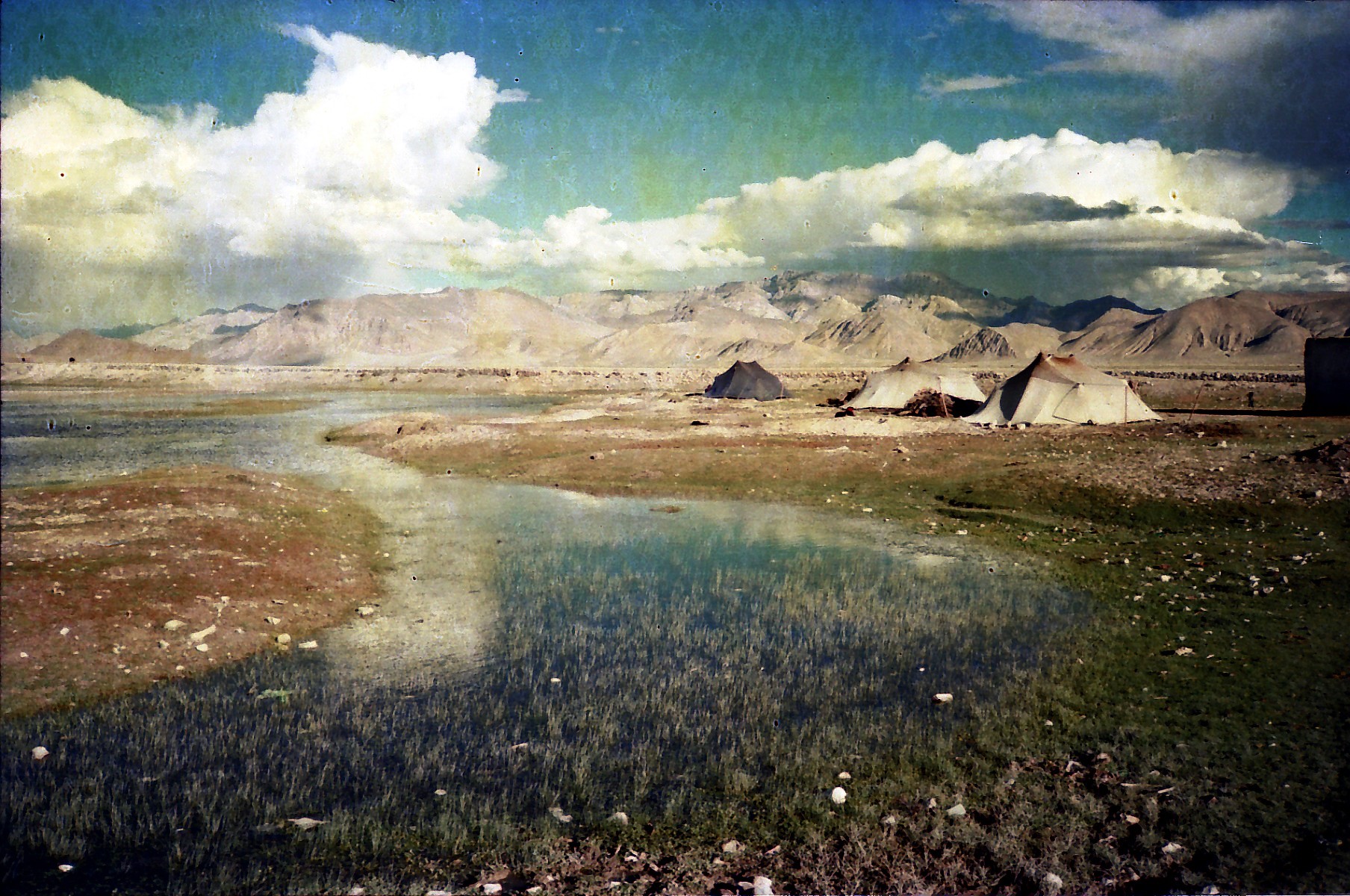
The Land Cruiser shudders to a halt beside a row of prayer flags snapping in wind that tastes of dust and cold iron. Through the open window comes the smell of yak dung smoke and diesel exhaust. Ahead, the Friendship Highway stretches straight as a ruler across a plain the color of dried tea, and behind it the north face of Chomolungma catches the last light, a wall of ice so high it seems to belong to a different sky. This is Tingri — Dingri on the signs — and for tonight it is the only roof between you and the border.
Getting There and the Reality of the Road
There is no bus station, no taxi stand, no shared van waiting for passengers. The only way in is a chartered Land Cruiser or a tour vehicle rolling up from Shigatse or down from the Kyirong border crossing. Most drivers treat the town as a mandatory overnight stop, a place to park the car and let the engine cool before the final push to Base Camp. The road climbs past 5,000 meters twice before it drops onto this plain, and the altitude hits harder here than the numbers suggest because the air is thin, dry, and moving fast. If your group plans to drive straight through from Shigatse in one day, tell the driver you are not made of steel. Sleep at 4,300 meters instead of 5,200. Your lungs will thank you at dawn.
Where to Sleep: Two Hotels and a Handful of Inns
The town clusters around two concrete hotels — Everest View and Benba — and a string of Tibetan-run guesthouses tucked into side alleys. The hotels have hot showers that work about half the time and electric blankets that smell of old wool. The guesthouses are simpler but warmer in the ways that matter.
- Amdo Guesthouse — carpeted Tibetan sitting room, low tables, butter tea served in wooden bowls, and a stove that stays lit through the night.
- Lao Dengre Hotel — same style of teahouse, slightly larger rooms, and a kitchen that turns out the best hand-pulled noodles in town.
- Dingri Sunshine Hotel — basic beds, shared bathroom, but the owner’s wife makes momos fresh each morning.
- Himalaya Hotel and Rong Sha Hotel — functional, clean enough, quiet after ten.
- Everest Snowleopard Hotel — sits east of the main strip, built in traditional stone and timber, rooms face the mountain on clear days.
Book nothing in advance. Show up, ask for a room, and if the first place is full, walk fifty meters to the next. In the winter season the rooms are empty. In the summer climbing season, the parking lot fills with expedition trucks and the guesthouses run out of blankets by midnight.
Acclimatization: The Only Schedule That Matters
You do not acclimatize by lying in bed. You acclimatize by moving slowly, drinking until your urine runs clear, and sleeping lower than you walked. Tingri sits at 4,340 meters. That is high enough to trigger headache, nausea, and the kind of fatigue that makes brushing your teeth feel like a marathon.
- Arrive before noon if possible. Walk the flat plain behind the town for thirty minutes — just a loop past the chorten and back. Keep your breathing nasal, not oral.
- Eat a bowl of thukpa (hand-pulled noodles in broth) with extra garlic and ginger. Skip the fried rice; oil sits heavy at altitude.
- Drink two liters of warm water or weak tea before dinner. No alcohol. The local barley wine (chang) is tempting but it dehydrates you faster than the wind.
- Sleep with your head elevated on two pillows. If you wake gasping, sit up, sip water, and breathe in a square pattern: four counts in, hold four, four out, hold four.
- Diamox (acetazolamide) helps some people. Take 125 mg twice daily starting the night before you leave Shigatse, if your doctor agreed. Do not treat it as a license to rush.
The real test comes the next morning. If you can walk to the minimart and back without your heart hammering in your throat, you are ready for the road to Rongbuk. If not, stay another night. The mountain will not move.
Food: What Arrives on the Table
Menus are short. The Sichuan restaurant across from Lao Dengre serves mapo tofu with real Sichuan peppercorns, twice-cooked pork belly, and a dry-fried green bean that carries enough chili to clear sinuses blocked by altitude. The Tibetan inns serve a different palette.
- Momos — steamed yak meat or potato filling, dough thick enough to hold the juice. Dip in the red chili-garlic sauce the owner sets on the table.
- Thukpa — broth, noodles, shredded radish, scallion, sometimes a spoonful of yak butter. Drink the broth first; it replaces salt lost to the dry air.
- Tsampa porridge — roasted barley flour stirred into hot tea with a lump of butter and a pinch of salt. Eat it with your fingers, rolling it into balls. It fuels porters for a reason.
- Fried potatoes with green pepper — the default vegetarian dish. Crisp edges, soft centers, enough oil to coat a spoon.
- Butter tea (po cha) — salty, churned, an acquired taste. Drink a small bowl; it warms the core better than coffee.
Breakfast at the guesthouses is usually included: a thermos of hot water, instant coffee packets, boiled eggs, and a plate of tsampa. If you want fresh bread, ask the night before. The minimart on the west edge stocks Snickers, instant noodles, and Chinese biscuits — useful for the car ride but not a meal.
Everest Base Camp Access: The Morning Departure
The permit checkpoint sits at the town’s western exit. Your driver handles the paperwork — Tibet Travel Permit, Aliens’ Travel Permit, and the Base Camp entry ticket — but keep your passport in your daypack, not buried in the roof box. The road from Tingri to Rongbuk Monastery is paved now, ninety kilometers of switchbacks and straightaways across the Qomolangma National Nature Reserve. Two hours if the driver pushes; three if you stop for photos of the Rongbuk Glacier spilling down the valley.
- Leave Tingri by 7:00 a.m. The light on the north face is best before the clouds build.
- Pack a thermos of tea, a chocolate bar, and a windproof layer. The temperature at the 5,200-meter parking lot can be ten degrees colder than in town.
- The shuttle bus from the parking lot to the actual Base Camp tent area runs every twenty minutes. Cost is included in the entry ticket. Walk the last kilometer if your lungs allow; the prayer flags along the trail are the oldest you will see.
- At Base Camp, the stone marker reads 5,200 meters. Climbers’ tents cluster below the icefall. You are not allowed past the marker without a climbing permit. Take the photo, breathe, and turn back before the wind shifts.
- Return to Tingri the same day only if you feel strong. Most groups overnight at Rongbuk Guesthouse — dorm beds, shared squat toilet, stove in the common room — and drive out at dawn for the Kyirong border or the return to Shigatse.
What Newcomers Get Wrong
They treat Tingri as a gas station. They arrive after dark, eat instant noodles in a cold room, skip water, and wake at 3 a.m. with a headache that feels like an ice pick behind the eye. They push to Base Camp anyway, spend ten minutes posing by the stone, then vomit in the shuttle bus on the way down.
They forget cash. The guesthouses, the restaurant, the minimart, and the shuttle bus all take only yuan. No cards, no WeChat Pay, no Alipay. Bring small bills — twenties and fifties — because change for a hundred is never guaranteed.
They assume the internet works. It does not. The hotels have a shared Wi-Fi router that connects to a satellite link slow enough to load a text message in thirty seconds. Download maps, translation files, and your permit PDFs before you leave Shigatse.
They pack light. A down jacket rated to minus twenty, a fleece mid-layer, windproof shell, glove liners, insulated boots, and a balaclava are not optional in the winter season. In the summer monsoon, add a rain cover for your pack and quick-dry pants. The wind on the plain cuts through cotton in seconds.
They ignore the old fort. Tingri Dzong sits on a low hill north of town, walls crumbled but the watchtower still standing. A twenty-minute walk from any guesthouse. At sunset the shadows stretch across the plain and the mountain turns the color of bruised plum. No tourists, no ticket, just a few prayer wheels turned by the wind. That view is why you came.