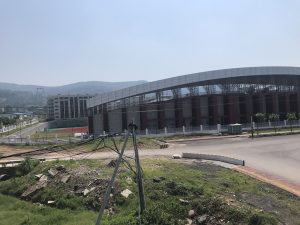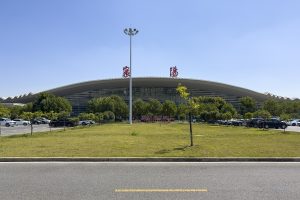
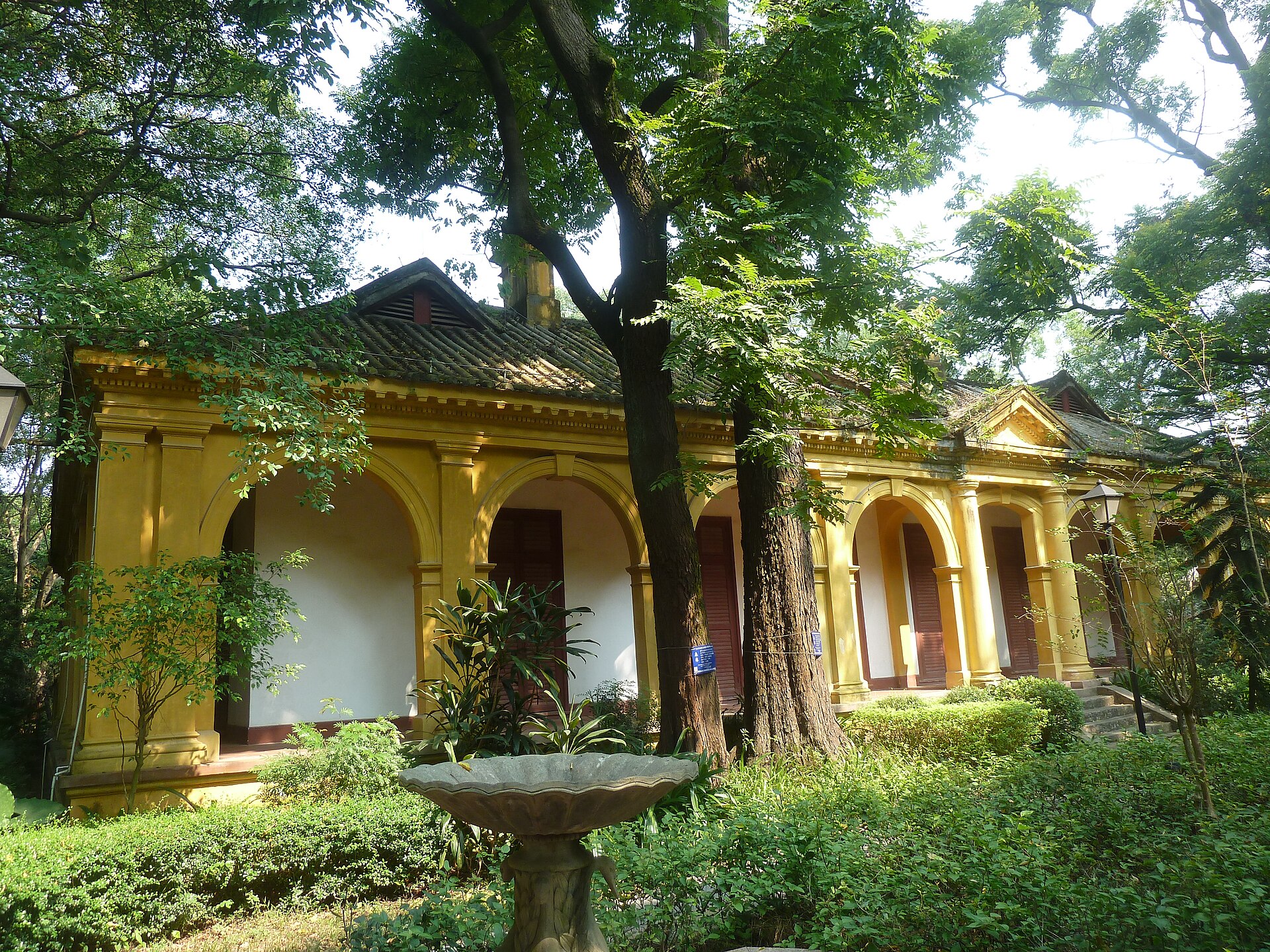
The high-speed train brakes with a long hiss, and the platform at Wuzhou South fills with the smell of river mud and frying garlic. Porters in blue vests shout for luggage carts while a knot of grandmothers waves selfie sticks toward the arched roof. I step down onto the polished stone, pull my roller bag toward the exit, and watch the Xijiang glint through the glass wall — wide, brown, busy with barges pushing downstream toward the delta. This is the gate to eastern Guangxi, where Cantonese, Hakka, and Zhuang dialects braid together in the market stalls and the tea houses.
Getting There and Getting Around
Most first-timers arrive on the G-line from Guangzhou or Nanning; the ride from Guangzhou South takes just over two hours. The station sits south of the old core, so a taxi or a Didi ride of twenty minutes drops you at the Qilou arcade district. City buses radiate from the square in front of the station — routes 3, 12, and 25 reach the riverfront and the Longmu Temple area. If you prefer two wheels, shared e-bikes cluster near every metro entrance; scan the QR code, unlock, and follow the bike lane that hugs the embankment. Traffic moves fast on the bridge approaches, so stay in the marked lane and watch for delivery scooters cutting the corner.
Where to Drop Your Bag
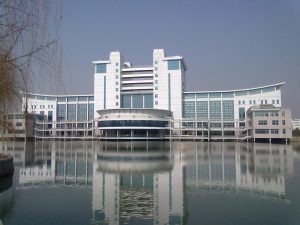
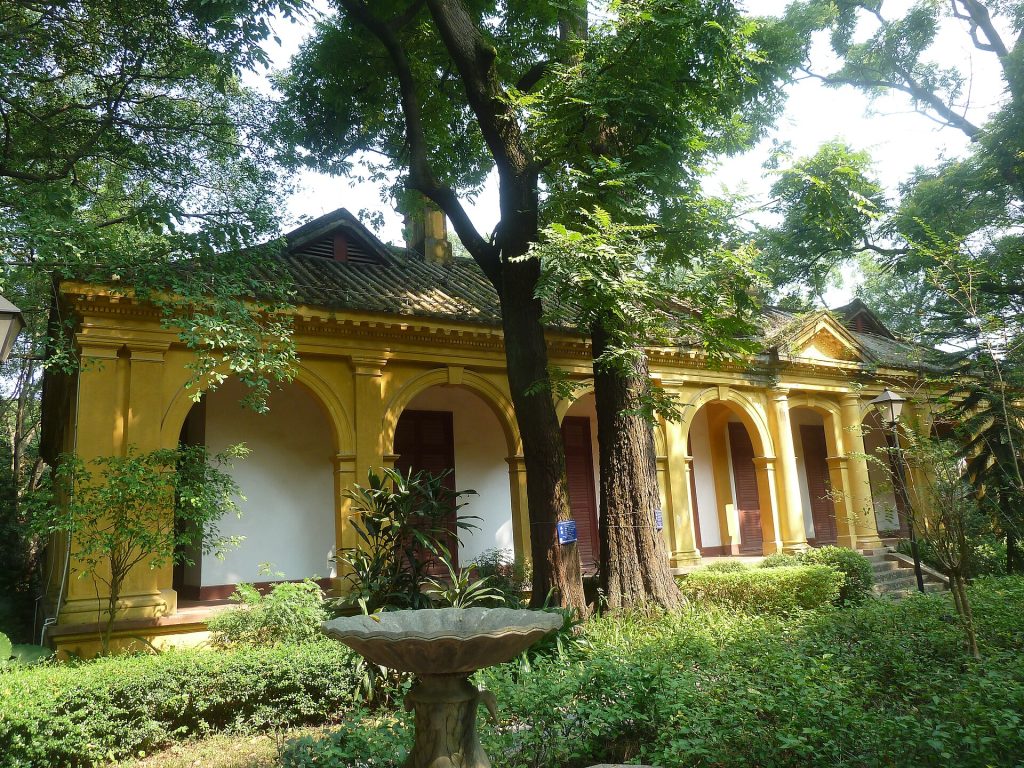
Chain hotels crowd the high-speed rail zone — clean beds, reliable hot water, English-speaking front desks. For atmosphere, walk ten minutes north into the Qilou conservation area. Several courtyard guesthouses hide behind carved wooden doors; rooms open onto a tiled patio where the owner brews Liubao tea at dawn. Prices rise during the Dragon Boat Festival and the Mid-Autumn week, so book early if your dates fall in the fifth or eighth lunar month. Hostels cluster near Wuzhou University on the east bank; they cater to domestic backpackers and often have a communal kitchen where you can steam your own dumplings.
Walking the Qilou Arcades
The arcade streets stretch for nearly a kilometer along Zhongshan Road and its side alleys. Two-story shophouses lean together, their balconies draped with laundry and strings of dried chili. Ground floors hold herbalists, jade carvers, and noodle stalls that have simmered the same broth since the Republic era. Start at the intersection with Xidi Street, turn left, and let the crowd set your pace. Stop at a stall where the vendor folds rice noodle sheets around minced pork, wood ear, and chives, then steams the parcels in a bamboo tier — eat them hot with a splash of chili vinegar. Further down, a Hakka auntie presses tea leaves into a clay pot, pours boiling water, and slides the first infusion across the counter without a word. Drink it slow; the second steep is sweeter.
River Time: Longmu Temple and the Night Cruise
Longmu Temple sits on a bluff where the Xijiang bends sharply. The current temple dates to the Qing reconstruction, but the dragon-mother legend reaches back to the Han. Climb the stone steps past the incense burners; the main hall smells of sandalwood and river wind. Locals kneel on the polished boards, whispering prayers for safe passage and healthy children. If you arrive near the third lunar month, the birthday festival fills the plaza with lion drums, paper horses, and steamed buns shaped like carp. After sunset, walk down to the pier for the night cruise. Boats leave every forty minutes; the upper deck has plastic chairs and a cooler of warm beer. The lights of the new CBD flicker across the water — glass towers, a Ferris wheel, a bridge strung with LEDs — while the barge horns sound low and slow.
Baiyun Mountain: Morning Haze and Monkey Tax
Baiyun Mountain: Morning Haze and Monkey Tax
Baiyun rises behind the west district, its summit often capped with mist until mid-morning. The main trail starts at the park gate on Baiyun Road; stone steps climb through bamboo groves to a pavilion where elderly men play xiangqi on a slab of marble. Monkeys patrol the railings — keep snacks zipped inside your pack and don’t make eye contact. At the top, a tea seller brews Liubao in a tin kettle over a charcoal brazier; a small cup costs a few yuan and warms cold fingers. On a clear day you can trace the Xijiang all the way to the Guangdong border. Descend by the western ridge if you want a quieter path; it empties near a village where women sort gemstones on bamboo trays, the click-clack of agate beads a steady rhythm.
Eating Like a Local
Wuzhou flavors sit at the crossroads of Cantonese lightness and Hakka salt. Breakfast means a bowl of rice noodle soup with sliced beef, pickled mustard greens, and a spoonful of fried garlic oil. Lunch often centers on paper-wrapped chicken: a whole bird marinated in ginger, soy, rice wine, and five-spice, wrapped in lotus leaf and parchment, then baked until the juices steam the paper translucent. Tear the parcel at the table — the skin stays pale, the meat falls off the bone, and the perfume hits you in a single wave. Dinner adds Guilinggao, the dark herbal jelly cut into cubes and drizzled with honey or condensed milk; it cools the body after a day of humid walking. Snack on steamed taro cake studded with dried shrimp and scallions, or skewers of grilled river fish brushed with fermented bean paste.
- Paper-wrapped chicken (home method): Marinate a 1.5 kg chicken with 30 g ginger slices, 20 g scallion knots, 2 tbsp soy sauce, 1 tbsp rice wine, 1 tsp five-spice, 1 tsp salt, and 1 tsp sugar for two hours. Wrap tightly in lotus leaf, then baking parchment, tie with kitchen twine. Bake at 200°C for 45 minutes. Rest ten minutes before unwrapping.
- Guilinggao jelly: Simmer 50 g turtle shell powder (or commercial herbal mix), 30 g china root, 20 g honeysuckle, and 10 g licorice in 2 L water for three hours. Strain, stir in 80 g mung bean starch slurry, cook until thick. Pour into a tray, chill, cut into cubes.
- Ordering in a restaurant: Point to the menu photo of “纸包鸡” and say “yī zhī” for one whole bird. Ask for “少辣” if you want less chili. For Guilinggao, request “加蜜糖” (add honey) or “加炼奶” (add condensed milk).
Beginners often order the chicken “well done” — the parchment burns and the meat dries. They also stir the Guilinggao until it clouds; let it sit, spoon the clear syrup on top, and eat the cubes whole. And don’t ask for soy sauce at a noodle stall; the broth is seasoned, and the owner will stare.
Tea, Gems, and What to Carry Home
Liubao tea ages like pu-erh but carries a betel-nut fragrance unique to the Cangwu hills. Visit the wholesale market on Hezhou Road: vendors lay out bricks, loose leaves, and vintage cakes on long tables. Smell the dry leaf — earth, dried longan, a hint of camphor. Ask for a sample brew; the liquor should turn deep amber, thick and sweet on the finish. A 500 g brick of three-year tea fits in a carry-on and makes a solid gift. Synthetic gemstones are the other local specialty. Workshops in the industrial park cut cubic zirconia and synthetic corundum into calibrated sizes for jewelry houses worldwide. You can watch the faceting machines whine through a viewing window, then buy a loose stone or a finished pendant at the showroom — prices are a fraction of retail in Beijing or Shanghai.
Seasonal Rhythms and Local Expectations
Spring brings the dragon boat races on the Xijiang; teams practice at dawn, drums echoing off the water. Summer monsoon turns the streets into shallow rivers — carry a compact umbrella and wear quick-dry shoes. Autumn is the Liubao harvest; tea farmers spread leaves on bamboo mats along the village lanes, and the air smells of fermentation. Winter stays mild, rarely dropping below ten degrees, so a light down jacket suffices. Locals value quiet in temples — phones on silent, no flash photography at altars. When a host pours tea, tap two fingers on the table as thanks. And if an elder offers you a seat on the bus, take it; refusing reads as disrespect.
Common Missteps
First-timers often cluster at the high-speed rail mall and miss the old town entirely. They photograph the Qilou facades but never step inside the herbal shop where the owner grinds pearl powder by hand. They skip the morning market on Xidi Street, where live eels writhe in blue tubs and women bargain in rapid Cantonese. They order sweet-and-sour pork at a tourist restaurant instead of the steamed fish with fermented black beans at the family place down the alley. And they leave without tasting a bowl of cold rice noodles tossed in peanut sauce, chili oil, and pickled long beans — the dish that fuels the city through the hottest afternoons.