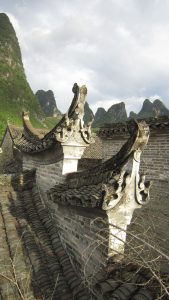
The minibus from Ningbo’s south station rattles through the last tunnel before the Shan River valley opens up. Mist clings to the ridges above the water, and the road narrows to a single lane flanked by tea terraces. By the time the driver kills the engine in the gravel lot beside the old stone bridge, the air smells of damp pine and woodsmoke. Xikou does not announce itself with neon or ticket gates. It simply appears, a cluster of whitewashed walls and black tiles huddled against the mountain’s shoulder, waiting for you to step onto the flagstones.
Getting There Without a Tour Bus
Most foreigners arrive via Ningbo. Head to the South Coach Station (南站) early; minibuses marked for Xikou or Xuedou Mountain leave every thirty minutes once they fill. The ride takes about ninety minutes and costs roughly fifty yuan. If you are coming from Hangzhou or Shanghai, the direct long-distance coaches are fewer—usually two or three a day—so book a seat the afternoon before at the station window or on the 12308 app. Drivers rarely speak English. Have the characters 溪口 written on your phone screen to show the ticket seller and the driver. A taxi from Ningbo airport runs around three hundred yuan and saves an hour, but the minibus lets you watch the suburbs melt into bamboo forest.
Moving Around the Valley
The historic core is flat and compact. You can walk from the river bridge to the Chiang family compound in twenty minutes, passing tofu stalls and incense shops. For the mountain sites—Xuedou Temple, the waterfall, Miaogao Peak—you need the green park shuttles that loop from the visitor center. A day pass costs sixty yuan; buy it at the booth beside the big map board. Buses run every ten minutes from 7:30 am until the last cable car descends. If you miss the final shuttle, the walk back down the winding asphalt takes ninety minutes in the dark. Three-wheeled pedal carts wait near the bridge for hire; agree on a price before you sit down, or the driver will invent one at the destination.
Chiang Kai-shek’s Hometown: What You Actually See
The compound sits behind a high wall on the main street. Inside, the rooms are furnished as they were in the 1930s: rosewood desks, enamel spittoons, a Western clock stopped at a auspicious hour. The propaganda panels are unavoidable—calligraphy praising “peaceful reunification” hangs beside family portraits. Taiwanese visitors often pause longest at the small shrine where Chiang’s mother is honored; mainland tour groups move quickly through the political captions. Allow forty minutes. The ticket includes the nearby Yutai Salt Shop, a two-story timber building where the family fortune began. Wooden ledgers still sit on the counter, and the brine vats in the courtyard smell of mineral and age. It feels more like a merchant’s house than a politician’s birthplace.
Xuedou Mountain: Waterfall, Temple, and the Giant Buddha
Take the shuttle to the upper terminus. From there, a paved path climbs through cedar forest to Xuedou Temple, a working monastery where monks chant over lunch bowls at eleven. The scent of sandalwood and steamed rice drifts from the kitchen. Continue past the hall to the cliffside walkway. The Qianzhang Rock waterfall drops in a single silver ribbon; after rain it thunders, in dry season it stitches the rock face with thin threads. The giant Maitreya Buddha—fifty-seven meters of bronze seated on the summit—looms above the treeline. You can take the cable car up (eighty yuan round trip) or hike the stone steps in forty minutes. The steps are uneven and slick with moss; wear shoes with grip. At the top, the wind carries the sound of the temple bell across the valley.
Eating in the Lanes
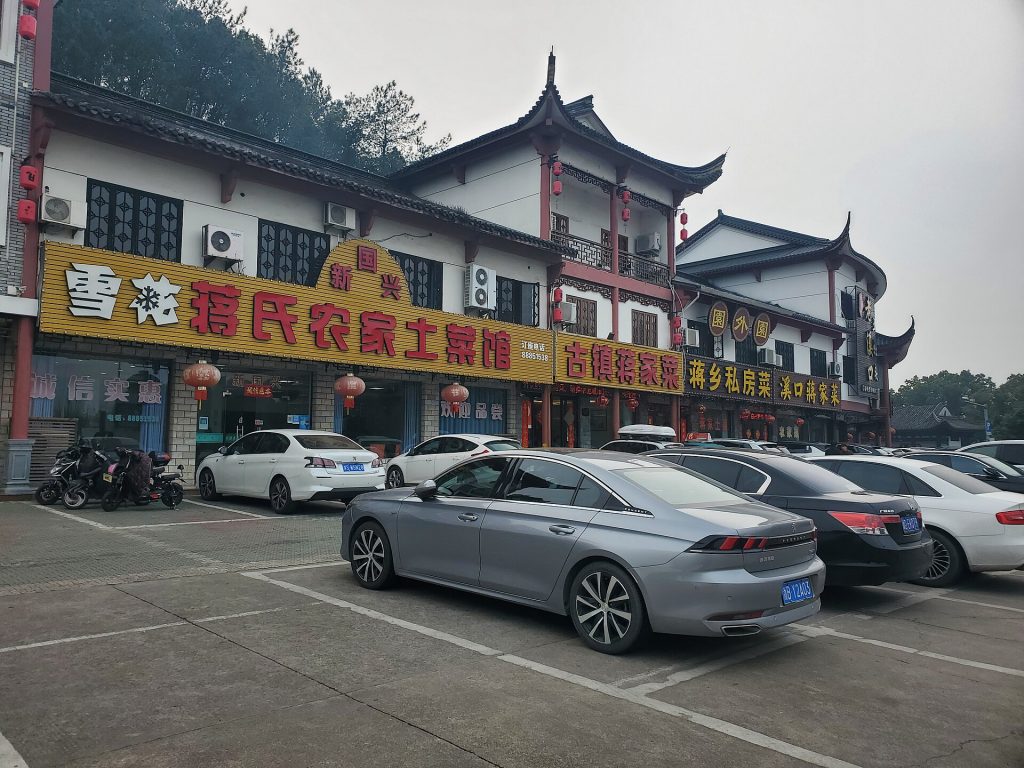
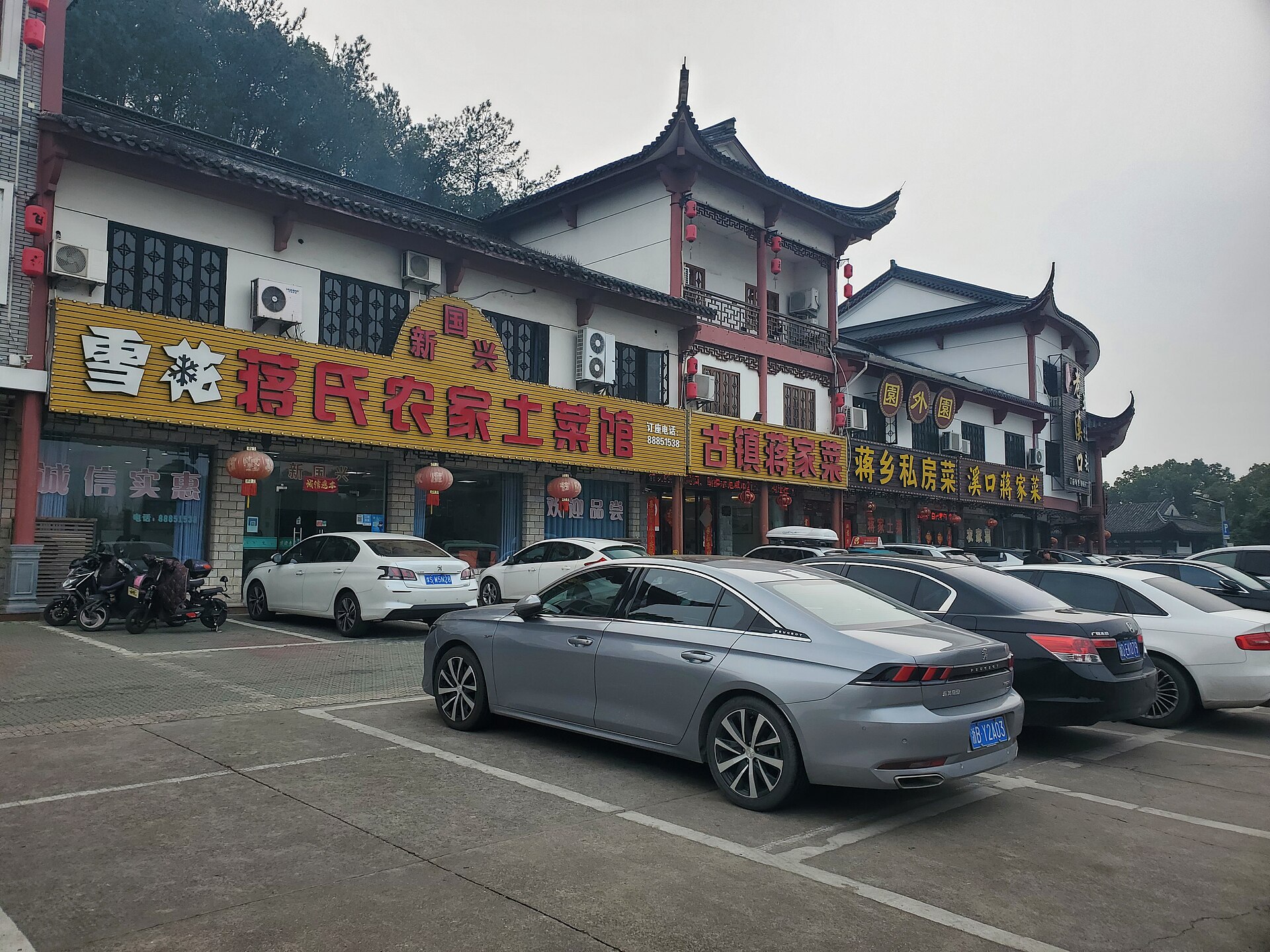
Lunch happens in the alley behind the salt shop. Look for a storefront with a bamboo steamer stacked three tiers high—xianrou buns, pork and preserved vegetable filling, skin translucent from the steam. Order a basket of six, a bowl of shredded radish soup, and a plate of stir-fried wild bamboo shoots with cured ham. The shoots snap between your teeth; the ham leaves a sweet salt on your fingers. Locals eat standing at tall tables, wiping chili oil from their chins with tissue packets. If you want a sit-down meal, the riverside restaurant with the red lanterns serves whole steamed mandarin fish, ginger-scallion sauce pooling in the cavity. Ask for “qingzheng” (steamed clear) so they don’t drown it in soy. A meal for two with tea rarely tops a hundred yuan.
Staying the Night
Guesthouses cluster near the bridge and along the lane leading to the mountain gate. The better ones occupy restored courtyard homes: grey brick, wooden lattice, a koi pond in the center. Rooms have heated floors in winter, mosquito screens in summer. Expect to pay two to three hundred yuan for a double with private bath. Breakfast is usually included—congee, pickled mustard greens, fried dough sticks, and a thermos of Longjing tea. Book through a Chinese platform like Ctrip or Meituan; the owners rarely list on international sites. Arrive before six if you want a room on a weekend during the spring tea harvest or the autumn maple season. The town empties out by nine; the only lights after dark are the temple lamps on the ridge and a single bulb over the night watchman’s stool.
What Trips Up First-Timers
- Assuming the town shuts down at five. The mountain sites close, but the lanes stay alive—noodle stalls, mahjong tables, old men smoking pipes under the banyan tree.
- Wearing smooth-soled sneakers on the mountain steps. The stone is polished by decades of pilgrims; one misstep sends you sliding.
- Skipping the salt shop because it sounds dull. The ledger room shows how a family business ran before banking existed—hand-stamped receipts, abacus beads worn flat.
- Expecting English signage on the shuttle buses. The electronic displays show Chinese characters only. Photograph the map at the visitor center; match the stop number to the character on the bus front.
- Buying “Chiang family” branded tea from street vendors. It’s generic green tea in a fancy tin. Walk ten minutes up the hill to the tea cooperative where farmers sell their own harvest by weight.
Seasonal Rhythms
Spring brings the tea pickers. Women in wide hats move through the terraces above the town, filling bamboo baskets before the dew lifts. The air tastes of fresh leaf. Summer is hot and thick; the river swells with typhoon runoff, and the waterfall roars. Autumn turns the maples on Miaogao Peak the color of sealing wax—peak color usually falls around the Double Ninth Festival. Winter is quiet. Mist settles in the valley for days. The guesthouse owners bring out braziers and roast sweet potatoes on the coals. If you time your visit for the lunar new year, the compound hangs red couplets and the temple rings its bell one hundred and eight times at midnight. The crowd is almost entirely domestic; you will hear dialects from Wenzhou, Shanghai, and Taipei at the same breakfast table.