Few culinary traditions in China are as deeply communal, celebratory, and endlessly customizable as hotpot. Sitting around a bubbling, steaming pot of broth embedded directly into your table—cooking thin slices of meat, fresh vegetables, mushrooms, and handmade noodles to your exact liking—is an essential travel and cultural experience.
However, walking into a bustling hotpot restaurant in China can feel overwhelming. Menus are vast, tablet ordering systems might lack English translations, and the sheer variety of soup bases and dipping sauces can leave first-time visitors guessing.
This comprehensive guide breaks down the major Chinese hotpot soup base types, regional styles, essential dipping sauces, and practical tips on how to navigate your first hotpot adventure seamlessly.
—
The Anatomy of the Pot: Understanding Soup Base Types
The heart of any hotpot meal is the broth. Most restaurants offer a “yin-yang pot” (鸳鸯锅, yuānyāng guō)—a divided pot allowing you to choose two different soup bases simultaneously. This is ideal for balancing fiery spice with a mild, soothing broth. Here are the core soup base styles you will encounter across China:
1. Spicy Mala (麻辣, Má là)
Originating from Sichuan and Chongqing, mala is the undisputed king of bold Chinese hotpot.
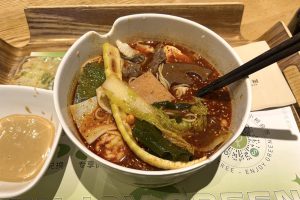
The Flavor Profile: A fiery, ruby-red broth built on a heavy base of beef tallow or vegetable oil, loaded with dried chili peppers, huajiao* (Sichuan peppercorns), doubanjiang (fermented broad bean paste), garlic, ginger, and dozens of aromatic spices.
The Experience: Ma refers to the tingling, numbing sensation on your lips and tongue, while la* refers to the burning heat. If you want to understand the science behind why your mouth goes completely numb, check out our deep dive into Sichuan Peppercorn (Huajiao) Explained: Why Your Mouth Goes Numb.
* Best for: Beef slices, tripe, duck blood, lotus root, and potato slices.
2. Clear Broth / Mushroom / Herbal (清汤, Qīngtāng)
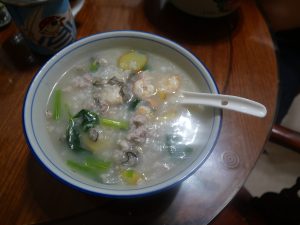
If you need a break from spice or prefer a lighter, clean-tasting broth, clear broths are the traditional counterweight.
The Flavor Profile: Usually a simmered chicken, pork bone, or vegetable stock infused with goji berries, red dates (jujubes), fresh ginger, green onions, and sometimes wild mushrooms (zhūzhū tāng*).
* The Experience: It highlights the natural, unmasked flavors of your ingredients. It’s also invaluable for rinsing off excess chili oil from food cooked in the spicy half of the pot.
* Best for: Delicate seafood, leafy greens, tofu skin, and hand-beaten shrimp paste.
3. Tomato Broth (番茄汤, Fānqié tāng)
A relative modern classic in Chinese hotpot culture, tomato broth has won massive popularity nationwide for its sweet, savory, and tangy profile.
* The Flavor Profile: Made from rich tomato paste, fresh tomatoes, garlic, and onions simmered into a thick, comforting soup.
* The Experience: It is deeply savory (umami-rich) without any heat, making it a favorite for children, travelers who avoid spice, and anyone who loves a rich soup to drink before the meal ends.
* Best for: Beef, mushrooms, and absorbent items like frozen tofu or yuba (tofu skin).
4. Rich Bone Broth (骨头汤, Gǔtou tāng)
Milky-white and intensely rich, bone broths are simmered for hours until the marrow and collagen dissolve completely into the liquid.
* The Flavor Profile: Deep, savory, and comforting, often enhanced with white peppercorns, corn chunks, and Chinese herbs.
* The Experience: It coats the mouth with a luxurious richness and provides a sturdy flavor foundation that doesn’t overpower lean meats.
* Best for: Root vegetables, pork slices, and dumplings.
—
Regional Hotpot Styles You Need to Know
Hotpot is not a monolith; different regions of China have perfected their own distinct variations:
* Sichuan & Chongqing Hotpot: Characterized by heavy beef tallow blocks, floating dried chilies, and intense numbing peppercorns. It is famously bold, heavy, and unapologetically fiery.
* Beijing Instant-Boil Mutton Hotpot (Shuan Yangrou): A historic style utilizing a traditional copper chimney pot heated by charcoal. The broth is exceptionally simple—often just plain water with ginger, scallions, and goji berries—allowing top-quality sliced lamb or mutton to shine. Read more in our guide to Beijing Shuanyangrou (Instant-Boil Mutton Hotpot) for First-Timers.
* Chaozhou Beef Hotpot: Hailing from Guangdong, this style revolves around ultra-fresh, never-frozen beef butchered multiple times a day. The clear beef bone soup highlights different cuts of beef (from chuck to brisket and tendon) cooked for mere seconds. Discover what to order in Chaozhou Beef Hotpot for First-Timers.
* Coconut Chicken Hotpot: Popularized in southern China, this sweet broth combines fresh coconut water, coconut meat, and tender free-range chicken.
—
The Dipping Sauce Station: Build Your Own Masterpiece
Unlike Western fondues, Chinese hotpot features a dedicated DIY Sauce Station (小料台, xiǎoliào tái) where you mix your own custom dipping sauce from dozens of ingredients.
If you are unsure where to start, try one of these tried-and-true classic combinations:
1. The Northern Classic (Sesame Paste Base):
Base: Sesame paste (zhīmajiàng*) or peanut paste (2–3 scoops)
Add-ins: Chopped cilantro, crushed peanuts, fermented bean curd (fǔrǔ*), a splash of soy sauce, and a dash of chili oil if you like heat.
Best for:* Mutton, beef, and earthy vegetables.
2. The Sichuan Style (Oil and Garlic Base):
Base:* Sesame oil (fill the bowl halfway)
Add-ins:* Massive amounts of minced raw garlic, chopped cilantro, scallions, oyster sauce, and a pinch of crushed peanuts or salt.
Best for: Cooling down ultra-spicy mala* items straight from the red broth.
3. The Tangy & Savory All-Rounder:
Base:* Light soy sauce or vinegar base
Add-ins:* Chopped fresh chili peppers, minced garlic, scallions, sesame oil, and a squeeze of fresh lime juice.
Best for:* Seafood, shrimp paste, and delicate mushrooms.
—
How to Choose as a Foreigner: Practical Tips
Embrace the Split Pot: Always order a dual-grid (yuānyāng*) pot. Put spicy ingredients on one side and mild tomato or clear broth on the other. This ensures everyone at the table stays happy.
* Master the Cooking Times: Different ingredients require different cooking windows. Leafy greens take 30 seconds; thinly sliced beef takes 10 to 15 seconds (swished until it turns brown); root vegetables like lotus root or daikon need a few minutes to soften.
* Navigating Modern Chains: Major chains like Haidilao excel at welcoming international diners with English tablet menus, apron service, and exceptional hospitality. For a full breakdown of what to expect, read Haidilao Hot Pot in China: A First-Timer’s Guide for Foreigners.
* Payment and Connectivity: Before heading out for dinner, ensure your digital infrastructure is ready. Review Alipay and WeChat Pay for Foreign Visitors in China 2026 for seamless mobile payments, keep your data active with a China SIM and eSIM for Foreign Visitors in 2026, and use How to Use Amap (Gaode Maps) in China as a Foreigner: 2026 English Guide to locate the best hotpot spots near you.
FAQ
Is this guide current for late 2026?
It reflects commonly reported practice as of October 2026. Always re-check official sources before you travel, because rules, ticket platforms and seasons change.
Where can I verify details?
Use the official website, WeChat account or ticket platform named for this topic. For payments and maps, see Lovely China’s practical visitor guides linked above.
What if my situation is unusual?
Ask your hotel, airline, park ticket office or embassy/consulate for case-specific advice rather than relying only on a blog post.