Stepping into a bustling Chongqing hotpot restaurant for the first time is an unforgettable sensory experience. The air is thick with the aroma of beef tallow, Sichuan peppercorns, and roasted chilies, while hundreds of diners chatter away over violently bubbling cauldrons of crimson broth. Unlike other regional Chinese hotpot styles—such as the delicate, sesame-heavy mutton pots of Beijing or the soothing herbal broths of Cantonese hotpot—Chongqing hotpot (Huoguo) is bold, fiery, and deeply communal.
For first-time international visitors, navigating the sheer volume of ingredients, intense spice profiles, and ordering apps can feel intimidating. This practical guide covers everything you need to know about mastering the legendary mala (numbing-and-spicy) broth, picking your spice levels, sequencing your ingredients, and handling everyday logistics like payments and seating.
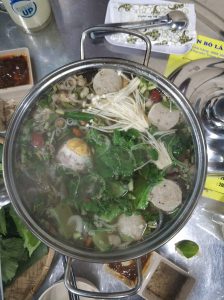
<Image alt=”A bubbling Chongqing hotpot partitioned into compartments filled with red chilies, Sichuan peppercorns, and a white bone broth center.” caption=”A classic dual-grid Chongqing hotpot bubbling with red oil and spices.” src=”image_agent_tag_2909019622259455209″/>
—
Decoding the Broth: The Heart of Chongqing Hotpot
The soul of any Chongqing hotpot sits in its heavy iron pot (Jiugongge or split pot), which is traditionally divided into compartments. The standard authentic broth base relies heavily on niuyou (beef tallow) rather than vegetable oil. Beef tallow gives the soup its signature glossy sheen, rich body, and heavy texture that locks in heat and coats every ingredient in flavor.
Inside the pot, you will encounter two primary flavor forces:
Mala (Numbing and Spicy): Packed with dried Chinese red chilies (lazijiao) and green or red Sichuan peppercorns (huajiao*). The chili provides heat, while the peppercorn delivers a distinct, citrusy tingling sensation that temporarily dulls your tongue.
Yuanwei / Clear Broth: A milder tomato, mushroom, or pork-bone broth usually served in a center ring or a split-pot side (Yuanyangguo*). If you are dining with friends who have a lower spice tolerance, ordering a split pot is essential for survival.
To understand how Sichuan heat compares across different regional dishes, you can read our guide on Sichuan spice levels for foreigners. If you are managing dietary restrictions alongside meat-eaters, our overview on Vegetarian dining in China offers helpful strategies for navigating broth bases.
—
Choosing Your Spice Levels and Ordering Like a Pro
When ordering, restaurants typically ask you to select your preferred level of spice (làweidu) and oil.
Spice Level Guide
* Micro-spicy (Weila / 微辣): A manageable entry point for beginners, though still packing a noticeable chili kick.
* Medium spicy (Zhongla / 中辣): The standard local baseline. Expect your forehead to sweat and your lips to tingle.
* Extra spicy (Tewula / 特辣): Reserved for seasoned veterans and local daredevils. Unless you regularly eat extreme chili oil, we strongly advise avoiding this on your first try.
The Dipping Sauce Station
One rookie mistake is eating hotpot ingredients straight out of the spicy oil. Instead, you build your own custom dipping sauce at the restaurant’s DIY condiment bar.
1. Grab a small bowl and base it with sesame oil or minced garlic.
2. Add fresh cilantro, chopped scallions, crushed peanuts, oyster sauce, or a splash of Chinese black vinegar.
3. The oil acts as a thermal barrier, cooling down the food slightly while cutting the intense burn of the chili before it hits your palate.
If you want to practice digital ordering ahead of time, check out our guide on Ordering Chinese restaurants for foreigners to understand how scan-to-order QR codes and digital menus work.
—
What to Order and What to Dip First
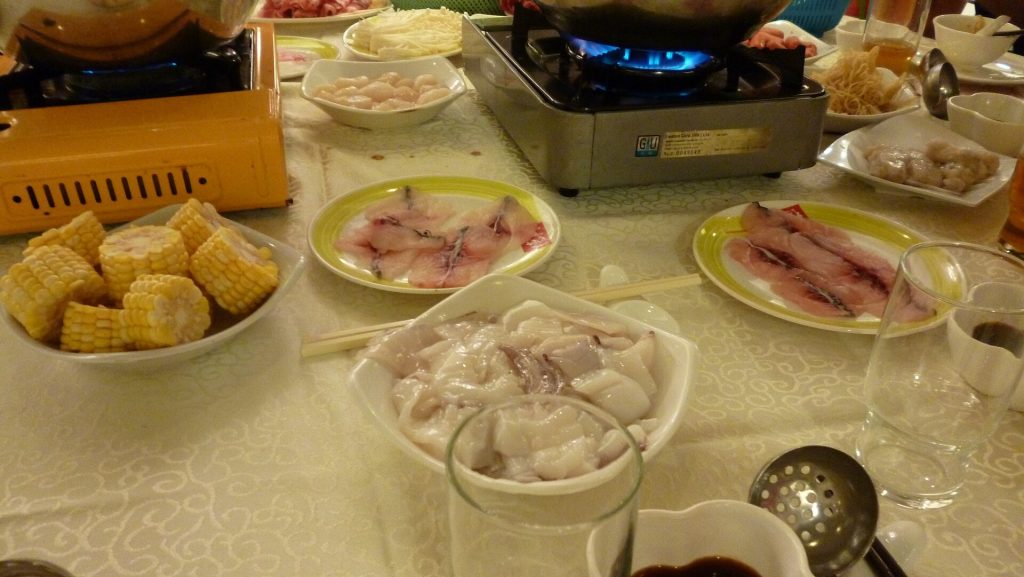
Chongqing hotpot menus are massive, featuring dozens of raw meats, offal, handmade pastes, and fresh vegetables. To eat like a local, structure your meal by cooking times and textures.
<Image alt=”A table spread with raw meats, tripe, sliced beef, mushrooms, and fresh vegetables ready for hotpot cooking.” caption=”A traditional spread of raw proteins and vegetables arranged around the hotpot.” src=”image_agent_tag_2909019622259456060″/>
Essential Meats and Offal
Maoxuewang / Tripe and Duck Intestines: The quintessential hotpot items. They cook in seconds. Use the famous “seven up, eight down” (qishang baxia*) method—dipping the tripe into the boiling broth for about 15 seconds to achieve a crisp, snappy texture. Overcook them, and they turn rubbery.
* Sliced Beef / Mutton: Thinly sliced fat-marbled beef cooks in less than a minute. Swirl it gently with your chopsticks until it changes color.
* Shrimp Paste (Xiahuaji): Often served in a bamboo tube. Scoop bite-sized morsels directly into the boiling soup; they float to the top when cooked through.
Vegetables and Starches
* Lotus Root and Bamboo Shoots: These add a wonderful crunch that contrasts with the tender meats.
* Frozen Tofu and Bean Curd Skin (Yupi): These act like sponges, soaking up the rich beef tallow broth. Be careful—they hold heat intensely and can trap burning-hot oil.
* Potato Slices: Cook these longer near the end of your meal so they become buttery and soft.
—
Practical Logistics: Seating, Payment, and Connectivity
Navigating a busy hotpot restaurant in Chongqing requires a bit of practical preparation, especially during peak evening hours when lines snake out the door.
Booking and Arrival
* Timing: Local spots get packed by 7:00 PM. Arrive early (around 5:30 PM) or use popular Chinese lifestyle apps if you have a local number to grab a digital queue ticket.
* Environment: Authentic neighborhood hotpot places can be loud, smoky, and open-air. Dress in casual clothes that you don’t mind smelling like beef tallow afterward.
Payments and Connectivity
* Cash is rarely accepted in modern Chinese dining establishments. Ensure your digital wallet is fully set up before heading out by reviewing our guide on Alipay and WeChat Pay for foreign visitors.
* Navigating apps, translation tools, and digital menus requires stable cellular data. Check out our recommendations for staying connected via China SIM and eSIM for foreign visitors 2026.
—
Frequently Asked Questions
Can I get a completely non-spicy pot if I cannot handle heat at all?
Yes. Most restaurants offer split pots (Yuanyangguo) where one side is a fiery mala broth and the other side is a mild mushroom, tomato, or clear pork-bone soup. You can cook your ingredients entirely in the non-spicy compartment.
What should I drink to cool down my mouth?
Local Chongqing diners swear by iced soy milk (doujiang) or herbal tea (wanglaoji). Avoid ice-cold carbonated drinks if your stomach is sensitive to sudden temperature shifts combined with heavy spice.
Is Chongqing hotpot safe for sensitive stomachs?
The high concentration of chili oil and heavy beef tallow can be rich for unaccustomed digestive systems. We recommend pacing yourself, sticking to micro-spicy broths initially, and balancing heavy meats with fresh vegetables.
How do I pay the bill at the end of the meal?
Many modern restaurants use table QR codes where you scan to pay directly via Alipay or WeChat Pay. If paying at the counter, show your phone screen or let the cashier scan your payment code.
<ElicitationsGroup message=”To help you plan your culinary journey in China:”>
<Elicitation label=”Explore Sichuan spice levels and how to build tolerance” query=”Explain Sichuan spice levels in detail and provide practical tips for building spice tolerance while traveling in China.”/>
<Elicitation label=”Learn how to use Alipay and WeChat Pay seamlessly in China” query=”Provide a step-by-step guide on setting up Alipay and WeChat Pay as a foreign visitor in China.”/>
<Elicitation label=”Discover street food tips for China night markets” query=”What are the essential food safety and ordering tips for exploring China night markets as a first-time visitor?”/>
<!–
title: Chongqing Hotpot for First-Timers: Broth, Spice Levels and How to Order
slug: chongqing-hotpot-first-timers
category: Food
focus: Chongqing hotpot first-timers mala broth ordering
meta: Chongqing hotpot for first-timers: how mala broth works, choosing spice levels, what to dip first, seating and payment tips for foreign visitors.
cover_alt: Chongqing-style hotpot simmering with chili oil and spices
cover_credit: Photo: Green Mostaza / Wikimedia Commons (CC BY 4.0)
–>
</ElicitationsGroup>