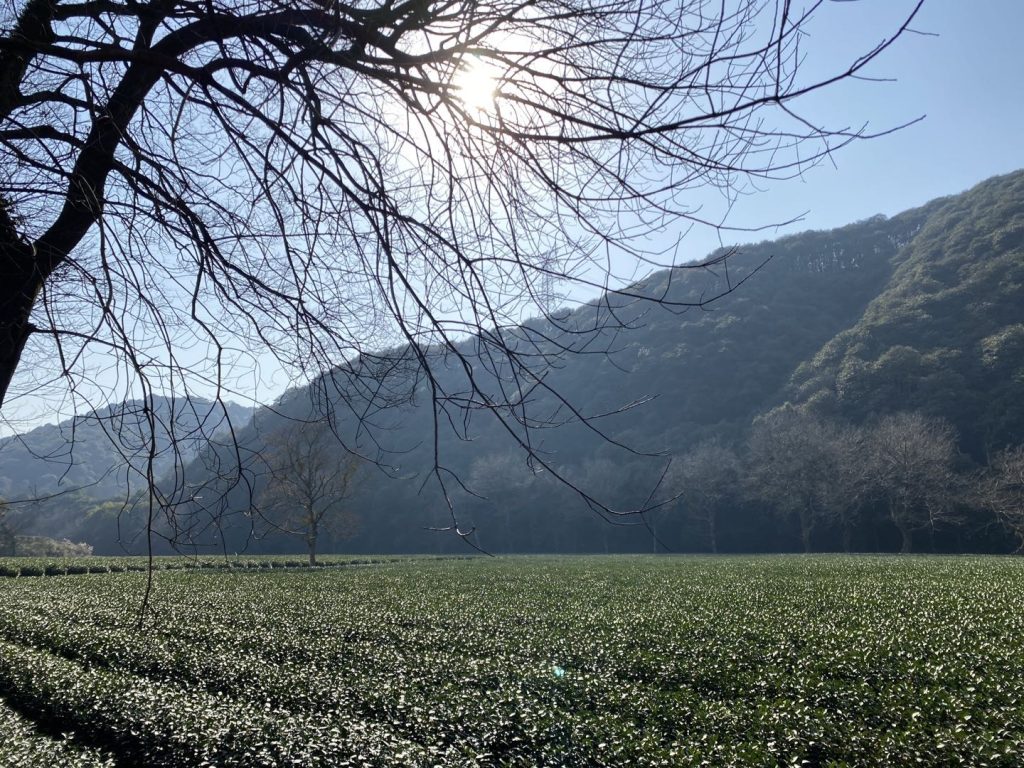
Few sensory experiences capture the essence of eastern China quite like sipping a steaming glass of Longjing tea while looking out over the misty hills of Hangzhou. Longjing, or “Dragon Well” tea, is arguably China’s most famous green tea, renowned for its flat, sword-like leaves, emerald color, and distinctively mellow, chestnut-like flavor. Historically served to emperors and presented as diplomatic gifts to visiting heads of state, the tea is deeply woven into the cultural fabric of the city.
For visitors planning a trip to Hangzhou in late 2026, navigating the tea tasting scene can feel overwhelming. Between the idyllic terraced fields of Longjing Village, the bustling lakeside teahouses, and the winding mountain roads of Meijiawu, it’s hard to know where to go, what you’re actually drinking, and how to avoid the notorious tourist traps.
Here is a practical, no-nonsense guide to experiencing Longjing tea in Hangzhou, tailored for foreign visitors who want authentic flavor without the manufactured sales pitch.
What to Expect: Teahouse vs. Plantation Tasting
When seeking out a Longjing tasting, you generally have two distinct options: a commercial teahouse situated near the shores of West Lake, or a working farmer’s courtyard out in the surrounding tea villages. Both offer excellent experiences, but they cater to very different moods.
The Lakeside Teahouse Experience
Teahouses dotted around West Lake—particularly along Beishan Road, Nanshan Road, or tucked into the quieter Maojiabu area—offer a highly polished, relaxing environment. You pay a flat cover charge (usually between 100 to 250 RMB per person depending on the tier of the establishment), which grants you a tall glass of Longjing and access to an endless, rolling buffet of snacks.
Waitstaff will continuously replenish your table with seasonal fruits, roasted sunflower seeds, dried plums, sweet pastries, and sometimes even hot bowls of noodles or dumplings. You can sit there for hours, enjoying the autumn breeze and the serene lake views. The focus here is on ambiance, conversation, and leisure, not necessarily acquiring rare tea knowledge or meeting the people who picked the leaves.
The Plantation/Village Experience
For a more rustic, culturally immersive vibe, head into the hills southwest of the lake. Taking a local bus or ride-hail puts you right in the middle of the terraced tea plantations. Longjing Village is the most famous and historical origin point, though neighboring Meijiawu and Wengjiashan offer equally stunning scenery with slightly smaller crowds.
Here, local families set up wooden tables and bamboo chairs right in their front courtyards. You pay for a single cup of tea (usually 30 to 80 RMB depending on the grade of the leaves) and sit among drying baskets, resting farm dogs, and the occasional roaming chicken. It’s a wonderful, grounded experience that connects you directly to the source. However, because you are on the grower’s turf, this is also where you are most likely to encounter pressure to buy dry tea leaves to take home.
To easily navigate the winding mountain roads, avoid dead-end paths, and locate specific highly-rated courtyards without getting lost, we highly recommend brushing up on How to Use Amap (Gaode Maps) in China as a Foreigner: 2026 English Guide.
The Art of the Glass: How to Drink Longjing Like a Local
If you are used to Western tea ceremonies or heavy ceramic teapots, drinking Longjing in Hangzhou will be a delightful departure.
The Glass Cup Method: Authentic Longjing is almost never brewed in a traditional clay Yixing teapot. Porous clay absorbs the delicate, grassy notes of green tea and traps too much heat. Instead, locals drink Longjing from tall, completely transparent glass cups. This is done so you can appreciate the visual dance of the leaves. High-quality Longjing features unbroken, flat buds that slowly unfurl and sink to the bottom of the glass in a suspended, emerald forest.
Water Temperature is Critical: Boiling water will scorch premium green tea, resulting in a bitter, astringent cup that destroys the subtle chestnut and orchid notes. The water should be poured at around 80°C to 85°C (176°F to 185°F). In village courtyards, the host will typically leave a large, colorful thermos of hot water at your table so you can refill your own glass at your leisure.
The “Rule of Thirds”: Never drink your glass completely dry before refilling. If you drink to the bottom, your next pour of water will taste weak and diluted. Instead, drink until there is about one-third of the original golden-green liquid remaining at the bottom with the leaves. Top it up with hot water from the thermos. This blends the strong, concentrated tea at the bottom with the fresh water, ensuring your second and third infusions are just as flavorful as the first.
Spotting the Tourist Trap vs. The Calm Experience
Because Longjing is a highly lucrative business, some areas cater specifically to domestic tour buses, resulting in rushed tastings and aggressive upselling. Knowing how to read the room before you sit down is crucial.
Red Flags (The Hard Sell):
The “Secret” Room: If a guide or tout at the village entrance attempts to usher your group away from the open courtyard and into a closed back room where a charismatic host performs a rapid-fire demonstration—often claiming their specific tea cures various ailments or aids in rapid weight loss—politely decline and walk away.
No Clear Pricing: If a host immediately pours you tea without showing you a menu or stating the price per cup upfront, you are at risk of being overcharged. Always establish the price before the water hits the leaves.
Aggressive Guilt-Tripping: A genuine tea farmer will let you enjoy your cup in peace. If the host hovers over your table, aggressively insisting that you “must buy bags to support the farm” or acting deeply offended when you simply want to pay for your brewed cup and leave, it’s a tourist trap.
Green Flags (The Calm Experience):
Locals Relaxing: Look for courtyards where elderly locals are loudly playing cards, smoking, or cracking sunflower seeds while sipping their tea. Establishments that serve their own neighbors are rarely predatory.
Clear Menus: The establishment has a physical menu or a QR code taped to the table with explicit pricing for both drinking in-house and buying dry leaves by the gram.
The Scent of Roasting: Authentic village producers will often have large, heated iron woks in their garages or courtyards where they hand-press and pan-fry the leaves. The smell is incredibly distinct—like toasted nuts and fresh cut grass.
For a deeper dive into understanding the complex menus and the specific hierarchy of the leaves you are being offered, check out our comprehensive guide on Longjing Tea in Hangzhou: Grades, West Lake Tastings, Hard Sell.
The November Reality Check: Managing Seasonal Expectations
If you are visiting in late October or November 2026, you need a quick reality check regarding the agricultural cycle.
The most prized, staggeringly expensive Longjing is the Mingqian harvest—leaves picked in early spring before the Qingming Festival (early April). These early buds are prized for their extreme tenderness and high concentration of amino acids. By November, the spring harvest is a distant memory.
Does this mean you shouldn’t drink Longjing in autumn? Absolutely not. You have two excellent, realistic options during a late-year visit:
Cold-Stored Spring Tea: Reputable teahouses and serious farmers meticulously vacuum-seal and refrigerate portions of their spring harvest to serve and sell year-round. While it loses a microscopic fraction of its immediate springtime vibrance, it will still taste fantastic and perfectly represent the region.
Autumn Tea (Qiu Cha): The tea bushes are harvested again in the autumn. Autumn Longjing is slightly less delicate and more robust in flavor, carrying a stronger, punchier astringency. It is also significantly cheaper. It lacks the prestige of spring tea, but it pairs beautifully with the crisp air if you are exploring Hangzhou in November 2026: Autumn Foliage, West Lake Walks & Essential Travel Planning.
Crucial Warning: Do not believe any vendor in November claiming to sell you “freshly picked premium spring tea” straight out of an unsealed woven bamboo basket. True spring tea stored in the open air for seven months will have oxidized, turning stale and yellow.
Buying Small Amounts Without Overpaying
If you genuinely enjoy the tea during your courtyard tasting and want to take some home for yourself or as gifts, do so carefully and deliberately.
Buy Small Units: You do not need to buy half a kilo (a jin), despite what the vendor might suggest. Ask to buy 50 grams (a liang – 两). This is a standard, culturally accepted small unit of measurement in China and makes for a perfect, affordable souvenir that won’t go stale before you have the chance to drink it all.
Taste the Exact Batch First: Never buy loose leaf tea you haven’t tasted. Do not assume the tea in the bag tastes like the tea they just served you from their personal stash. Any reputable seller will gladly brew a pinch of the exact batch you intend to buy right in front of you.
Forget the Fancy Tins: Elaborate wooden boxes, silk-lined cases, and heavy ceramic jars look incredibly nice, but you are paying a massive premium for the packaging alone. Furthermore, bulky packaging takes up valuable luggage space. Ask for the tea to be vacuum-sealed in simple, airtight foil bags. This actually keeps the tea fresher for longer than a decorative tin.
Digital Payment is King: Cash is rarely used anymore, even by elderly farmers in rural tea villages. Attempting to pay for a 40 RMB cup of tea with a 100 RMB note may result in the host struggling to find physical change. Make sure you have your digital wallet set up before you leave your hotel. Review our guide on Alipay and WeChat Pay for Foreign Visitors in China 2026 to ensure seamless, stress-free transactions on the mountain.
The Perfect Half-Day West Lake & Tea Itinerary
To get the most out of your Hangzhou tea experience without feeling rushed or overwhelmed by logistics, combine it naturally with your West Lake sightseeing.
Start your morning at 8:00 AM with a walk along the tree-lined Su Causeway or a wooden boat ride on West Lake to beat the peak mid-day crowds and tour groups. Around 11:30 AM, catch a taxi or a DiDi up into the hills toward Meijiawu or Longjing Village. The drive itself is stunning, winding through dense bamboo forests and steep green terraces.
Find a lively, open-air farmer’s courtyard and order a simple, hyper-local lunch. You must try “Longjing Shrimp” (freshwater river shrimp flash-cooked with tender tea leaves) and a plate of braised spring bamboo shoots. Follow the meal with a tall glass of green tea, nursing it slowly as you watch the village activity go by.
Spend the early afternoon wandering up the stone paths through the terraced tea fields at your own pace—the higher you climb, the better the views of the valley. Around 3:30 PM, catch a ride back down the mountain into the city center for dinner, easily avoiding the 5:00 PM rush hour traffic that frequently clogs the narrow mountain access roads.
Frequently Asked Questions (FAQ)
Can I bring loose-leaf Longjing tea through customs when returning to my home country?
Yes. Processed, dried, and commercially packaged (or vacuum-sealed) tea leaves are generally allowed by customs agencies in the US, UK, EU, and Australia. You must still declare it as a food/plant product on your customs form, but because it is dried and processed, it will not be confiscated.
Do I need to book village courtyards or lakeside teahouses in advance?
For lakeside teahouses on weekends or national holidays, having your hotel call ahead to reserve a prime window or terrace seat is highly recommended. For the farm courtyards in Meijiawu or Longjing Village, no reservations are necessary; simply walk in, browse, and sit wherever you find an appealing open table.
How much should a standard cup of brewed Longjing cost in a village?
Prices vary strictly by the grade of the leaf. A basic, everyday drinking tier will cost around 30 to 50 RMB per glass. A mid-tier premium leaf will cost 80 to 120 RMB. The highest-grade Mingqian leaves can cost upwards of 200 RMB just for a single brewed glass. Always ask to see the menu.
Is it okay to just walk through the tea fields without buying anything?
Absolutely. The paved paths and stone steps winding through the terraced hills of Longjing and Meijiawu are public rights of way. You are entirely free to hike through the stunning green hills, take photographs, and enjoy the scenery without ever sitting down for a cup of tea or spending a single RMB. Just stick to the paths and avoid stepping onto the fragile tea bushes themselves.
Related Lovely China guides
- Haidilao Hot Pot in China: A First-Timer’s Guide for Foreigners
- Sichuan Peppercorn (Huajiao) Explained: Why Your Mouth Goes Numb
- China Convenience Store Food: What to Buy and How to Pay (2026)
FAQ
Is this guide current for late 2026?
It reflects commonly reported practice as of October 2026. Always re-check official sources before you travel, because rules, ticket platforms and seasons change.
Where can I verify details?
Use the official website, WeChat account or ticket platform named for this topic. For payments and maps, see Lovely China’s practical visitor guides linked above.
What if my situation is unusual?
Ask your hotel, airline, park ticket office or embassy/consulate for case-specific advice rather than relying only on a blog post.