As late October 2026 brings a crisp autumn chill to the Jiangnan region—the scenic area south of the Yangtze River—the biting wind makes one thing immediately clear: it’s the perfect time to buy a scarf.
For centuries, silk has been the quintessential Chinese export. It built empires, forged the legendary Silk Road, and defined the wardrobes of emperors. Today, it remains one of the most coveted souvenirs for visitors traversing the country. But shopping for silk in China is an adventure of its own, blending history, tactile discovery, and the age-old, sometimes theatrical dance of bargaining. Whether you are looking for a few simple gifts for colleagues, a stunning wearable piece for a special occasion, or luxurious bedding, here is how to navigate the sprawling silk markets of China without getting taken for a ride.
The Silk Capitals: Suzhou and Hangzhou
While you can buy silk in any major Chinese metropolis, discerning shoppers know that all roads lead to two cities in the Yangtze River Delta: Suzhou and Hangzhou.
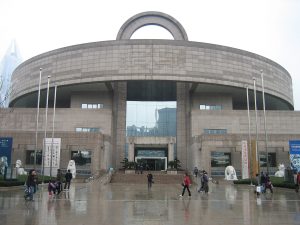
Suzhou is historically the beating heart of China’s silk industry. The city’s embroidery, known as Su Xiu, is world-renowned for its hyper-realistic details, sometimes utilizing threads split into fractions of a millimeter to create gradients that look like watercolor paintings. For exceptional boutiques, explore the cobblestone alleys around Pingjiang Road. Alternatively, visit the Suzhou Silk Museum, which offers both a phenomenal historical overview and a trustworthy, fixed-price shop attached to the premises.
Hangzhou, just a short high-speed train ride away, is equally famous and historically served as the starting point of the maritime Silk Road. It boasts the massive Hangzhou Chinese Silk City (Zhongguo Sichou Cheng), a sprawling, pedestrian-friendly market boasting hundreds of vendors selling everything from raw fabric to finished evening gowns.
The Golden Rule of Silk Tourism: Skip the “silk factory tours.” Many guided tour groups will funnel you into massive, warehouse-like showrooms disguised as operational factories. These are high-pressure tourist traps where prices are vastly inflated (often by 300% or more) to cover the tour guide’s commission. You are much better off shopping independently in local districts. To navigate directly to reputable local markets on your own without getting lost, check out [How to Use Amap (Gaode Maps) in China as a Foreigner: 2026 English Guide].
Decoding Silk: Momme Weight and Common Weaves
To shop like a local, you need to understand how silk is priced and categorized. The most important term to learn is momme (pronounced “mommy,” abbreviated as mm). This is the standard unit of weight and density for silk.
Under 12 mm: Very lightweight and sheer. Great for chiffon scarves and decorative summer accents, but prone to tearing.
14 to 16 mm: The standard weight for high-quality scarves and light blouses.
19 to 25 mm: The luxury standard. This weight is highly durable, drapes beautifully, and is ideal for pajamas, bedding, and high-end dresses.
30 mm and above: Extremely heavy, luxurious, and durable. Often used for heavy winter robes, upholstery, or tailored suits.
Beyond weight, the weave determines the fabric’s appearance and feel:
Charmeuse: The classic “silky” silk. It features a brilliant, glossy luster on one side and a dull, matte finish on the reverse.
Crepe de Chine: A slightly crimped, textured silk. It is less shiny than charmeuse but incredibly durable and wrinkle-resistant, making it excellent for travel clothing.
Jacquard: Woven with a raised pattern (often florals or traditional motifs) integrated directly into the fabric rather than printed on top.
Raw Silk (Noil): Made from the short fibers left over after spinning, raw silk has a slightly nubby, cotton-like texture. It lacks the traditional shine but is incredibly comfortable and breathable.
How to Tell if It’s Real
Tourist markets in major cities like Beijing (Pearl Market, Silk Street) and Shanghai (Yuyuan Garden area) are packed to the brim with “silk.” Some of it is genuine; much of it is mass-produced polyester. Here is how to verify what you are holding in your hands:
The Label: Look for Chinese characters that explicitly state “100% Silk” (100% 真丝 — zhēnsī).
The Touch Test: Authentic silk feels incredibly smooth but slightly textured, not slippery or sticky like polyester. Furthermore, real silk is an excellent insulator; it quickly matches your body temperature when you hold it, whereas synthetics stay cool and lifeless to the touch.
The Acoustic Test: When you rub two layers of tightly woven real silk together, it produces a faint, unique crunching sound. Locals often call this the “silk cry.”
The Ring Test: A pure, lightweight silk scarf can be pulled effortlessly through a standard finger ring. Synthetics will usually bunch up, cause friction, and get stuck halfway through.
The Luster Test: Hold the fabric up to the light. Real silk refracts light, creating a multi-dimensional, shimmering sheen that changes slightly depending on the angle. Polyester merely reflects light, resulting in a flat, artificial, and uniform white glare.
The Burn Test: This is the ultimate, undeniable test. While vendors will rarely let you light a match in their shop, a confident seller will gladly pull out a lighter to burn a loose thread from the fabric’s edge. Watch closely: Real silk burns to a brittle, crushable black ash and smells distinctly like burning hair (as silk is a natural protein). Polyester melts into a hard, un-crushable plastic bead and smells sharply of burning plastic.
The Art of Bargaining
Your shopping strategy depends heavily on your environment. In high-end boutiques, airport shops, and established department stores in Suzhou or Hangzhou, prices are fixed. The quality is guaranteed, the receipts are official, and you will simply pay the premium.
However, if you are shopping in wholesale markets, fabric bazaars, or popular tourist corridors, bargaining is not just expected—it is mandatory.
Start by asking the price (Duo shao qian?). When the vendor punches a number into their oversized calculator, do not look shocked, but immediately counter with 30% to 50% of their asking price. The ensuing negotiation should be friendly, complete with theatrical sighs, smiles, and perhaps a feigned attempt to walk away.
Buying multiple items is your best leverage for a deeper discount. If you are buying five scarves, you have significantly more power than if you are buying one. Also, keep in mind that as November approaches, the entire country gears up for the “Double 11” (November 11) shopping festival. While mostly an e-commerce event on Taobao and JD.com, many physical vendors run pre-promotions in late October to compete. Don’t be afraid to ask if they have any Shuang Shiyi (Double 11) early-bird discounts.
When it comes time to pay, cash is almost entirely obsolete. Vendors strongly prefer mobile payments, even for small, hard-fought negotiations. Ensure you are set up to scan their merchant QR codes by reviewing [Alipay and WeChat Pay for Foreign Visitors in China 2026].
What to Buy: Gifts, Wearables, and Bedding
Scarves are the ultimate, stress-free souvenir. They pack completely flat, weigh next to nothing, and neatly bypass the headache of guessing someone’s clothing size back home. You can find beautiful, hand-painted or digitally printed scarves ranging from $15 to $150 USD depending on the momme weight, weave, and whether they feature hand-rolled edges (a hallmark of quality).
Silk Duvets (Comforters) are an insider secret and a massive draw for domestic tourists. Filled with layer upon layer of stretched silk floss, these duvets are naturally hypoallergenic, temperature-regulating, and incredibly lightweight. Many market vendors will custom-fill a duvet shell right in front of you, allowing you to choose the exact weight of the silk filling for a summer or winter blanket. They will then vacuum-seal it into a remarkably small brick for your suitcase.
Garments, such as silk pajamas, blouses, or a traditional qipao (cheongsam), are riskier purchases. Asian sizing runs significantly smaller than Western sizing; a Chinese “XXL” might fit like a Western “Medium” or even a “Small” across the shoulders. Never buy a fitted garment without trying it on first.
Raw Fabric by the meter is a brilliant purchase if you have a reliable tailor back home. Suzhou and Hangzhou markets offer stunning brocades, sheer chiffons, and heavy raw silks that cost a fraction of what they would in London, New York, or Paris.
Packing, Care, and Customs
When packing your haul, roll silk garments and scarves rather than folding them. This prevents hard, permanent creases from forming under the weight of your luggage.
Once home, proper care will ensure your silk lasts a lifetime. Never use harsh commercial detergents or bleach, as these will destroy the natural proteins in the fabric. Hand wash silk in lukewarm water using a pH-neutral, gentle soap (baby shampoo actually works wonders). Avoid wringing the fabric out; instead, lay it flat on a clean dry towel, roll the towel up to press out the moisture, and then let it air dry away from direct, harsh sunlight.
Regarding customs: If you are buying a handful of scarves and a pair of pajamas for friends and family, you do not need to worry much about declarations. However, if you are purchasing raw fabric by the bolt, custom silk bedding for your entire house, or high-end embroidered tapestries that run into the thousands of dollars, keep your digital receipts on WeChat or Alipay handy. You may need to declare these high-value items upon re-entry to your home country.
Armed with a little knowledge, buying silk in China shifts from an intimidating gauntlet to a genuinely delightful cultural exchange. Take your time, feel the fabrics, enjoy the tea often offered by shopkeepers, and you will walk away with a piece of wearable art.
Frequently Asked Questions (FAQ)
How much should a real silk scarf cost in China?
Prices vary wildly based on size, momme weight, and location. In a bargaining market, a basic, lightweight 100% silk scarf might cost between 100 to 200 RMB ($14 to $28 USD). Large, heavy, double-sided silk scarves with hand-rolled edges in premium boutiques can easily exceed 800 RMB ($110 USD).
Can I wash my silk in a washing machine?
It is highly discouraged unless your machine has a specific, ultra-gentle “hand-wash/silk” cycle and you place the item in a protective mesh laundry bag. Even then, hand washing in cold or lukewarm water with a pH-neutral detergent is the safest way to maintain the fabric’s luster and structural integrity.
Is it cheaper to buy silk in Beijing or Suzhou?
Suzhou and Hangzhou will generally offer better prices and vastly superior quality, as you are buying closer to the source of production. Markets in Beijing and Shanghai are heavily geared toward international tourists, meaning initial asking prices are often inflated, and the ratio of synthetic fakes to real silk is much higher.
What is “Su Embroidery” and why is it so expensive?
Su Xiu (Suzhou embroidery) is one of the oldest and most famous embroidery techniques in the world, dating back over 2,000 years. Artisans split a single silk thread into thinner strands to stitch incredibly detailed, double-sided artworks. Because a single piece can take months or even years to complete by hand, genuine Su embroidery commands premium luxury prices.
Will vendors ship large items like silk duvets internationally?
While some high-end boutiques can arrange international shipping via DHL or FedEx, it is often prohibitively expensive. It is much more practical to have the vendor vacuum-seal the duvet into a compact square, which easily fits into a standard checked suitcase.
Related Lovely China guides
- Buddhist vs Taoist Temple: What Visitors Should Notice
- Chinese Tea House Etiquette for First-Time Visitors
- Halloween in China 2026: Where It’s Celebrated and How Locals See It
FAQ
Is this guide current for late 2026?
It reflects commonly reported practice as of October 2026. Always re-check official sources before you travel, because rules, ticket platforms and seasons change.
Where can I verify details?
Use the official website, WeChat account or ticket platform named for this topic. For payments and maps, see Lovely China’s practical visitor guides linked above.
What if my situation is unusual?
Ask your hotel, airline, park ticket office or embassy/consulate for case-specific advice rather than relying only on a blog post.