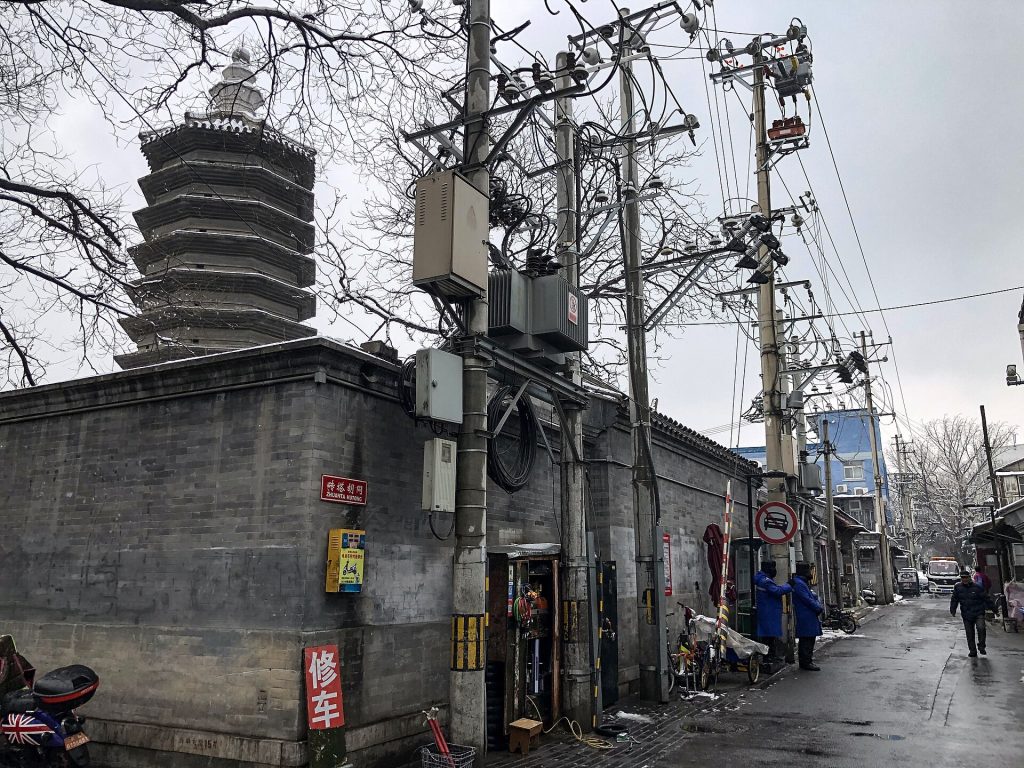
Before the tour megaphones wake, a Beijing hutong keeps its own weather. In November the bricks hold overnight cold, and the first light arrives thin and silver along the grey walls.
The quiet hour
You notice bicycle bells before engines. A steamer lid clinks. Someone sweeps leaves that smell faintly of dust and coal-memory even when the chimneys themselves have gone quiet. The lane is narrow enough that strangers share a nod.
What the walls still teach
Courtyard doors hide lives you will not enter. Some stretches are carefully restored; others show patched brick and laundry. Both are real. The mistake is treating the hutong as a set for your camera alone.
Breakfast on the air
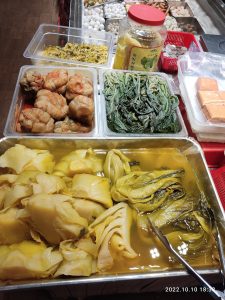
Dough and soy and scallion ride the cold. You may buy something simple with a wallet QR that still feels like magic the first week—or with a little cash when a stall prefers it. Either way, eat while walking slowly.
Practical asides without breaking the spell
Keep Beijing first-visit guide orientation in your pocket, offline maps from essential apps for foreigners, and warm layers. Leave before mid-morning if you want the hush; by then delivery scooters and visiting groups rewrite the soundtrack.
Leaving the lane
You step onto a wider road and the city becomes itself again—metro mouths, glass, and the day’s lists. The hutong does not vanish; it simply waits for another early walker.
Notes for late 2026 travellers
Late October and November bring cooler mornings, earlier sunsets, and comfortable train weather across much of eastern China. Pack layers, keep phone batteries warm outdoors, and leave extra time whenever a clear weekend coincides with popular sightseeing.
This article does not invent ticket prices, opening hours, processing times, or official statistics. When a number matters, verify it on the official site, app screen, or ticket board near your travel week.
Write key Chinese addresses into your phone notes before you leave Wi-Fi. Screenshot tickets and booking codes. Carry a small cash float even if you prefer wallets—see why cash is still needed. Reconfirm last-mile transport the evening before early starts.
If an official rule page disagrees with this guide, follow the official page. Lovely China orients English-speaking travellers; we are not an immigration, banking, or medical authority. Keep the China travel tools page page bookmarked for other logistics hubs.
Traveller mindset
Move slowly through paperwork moments. A calm queue is cheaper than a missed train. When language fails, show passport pages, booking screens, and maps with Chinese labels. Hotel front desks and station information booths are used to helping foreigners through routine steps.
Keep expectations honest: China is highly digital, but edge cases remain. Your job is not to memorise every exception—it is to carry backups (second card, cash, offline maps, written addresses) so one failure does not end the day. For everyday apps, start with essential apps for foreigners.
FAQ
Is this a practical guide?
It is a short observational story with light practical asides.
When is the quietest hour?
Early morning before tour groups fill the lanes.
Are hutongs all the same?
No—some are residential and quiet; others are commercialised.
What should I bring?
Warm layers, a charged phone map, and respectful curiosity.
Notes for late 2026 travellers
Late October and November bring cooler mornings, earlier sunsets, and comfortable train weather across much of eastern China. Pack layers, keep phone batteries warm outdoors, and leave extra time whenever a clear weekend coincides with popular sightseeing.
This article does not invent ticket prices, opening hours, processing times, or official statistics. When a number matters, verify it on the official site, app screen, or ticket board near your travel week.
Write key Chinese addresses into your phone notes before you leave Wi-Fi. Screenshot tickets and booking codes. Carry a small cash float even if you prefer wallets—see why cash is still needed. Reconfirm last-mile transport the evening before early starts.
If an official rule page disagrees with this guide, follow the official page. Lovely China orients English-speaking travellers; we are not an immigration, banking, or medical authority. Keep the China travel tools page page bookmarked for other logistics hubs.
Traveller mindset
Move slowly through paperwork moments. A calm queue is cheaper than a missed train. When language fails, show passport pages, booking screens, and maps with Chinese labels. Hotel front desks and station information booths are used to helping foreigners through routine steps.
Keep expectations honest: China is highly digital, but edge cases remain. Your job is not to memorise every exception—it is to carry backups (second card, cash, offline maps, written addresses) so one failure does not end the day. For everyday apps, start with essential apps for foreigners.
Extra reminder
Re-check official sources the week you travel. Keep backups for payments and connectivity. Travel kindly.
Bottom line
The best hutong hour is early, quiet, and unscripted—before the lanes fill and the light goes flat.