Navigating digital payments in China as a tourist or expat during the November–December 2026 travel season requires a clear understanding of how WeChat Pay handles international bank cards. While linking a foreign Visa, Mastercard, or JCB card has become remarkably smooth through Tencent’s official guidelines, hitting a sudden payment block at a busy metro station kiosk or restaurant checkout counter can disrupt an otherwise seamless itinerary. Knowing the exact mechanics of QR scanning modes, recognizing foreign card verification friction points, and keeping reliable alternative backups will keep your travels running smoothly from arrival to departure.
WeChat QR Mechanics: Scan-to-Pay vs. Show-QR
One of the most frequent sources of confusion for first-time visitors involves the two distinct ways QR codes operate at checkout counters across mainland China. Understanding which mode you are using helps diagnose why a payment might occasionally stall.
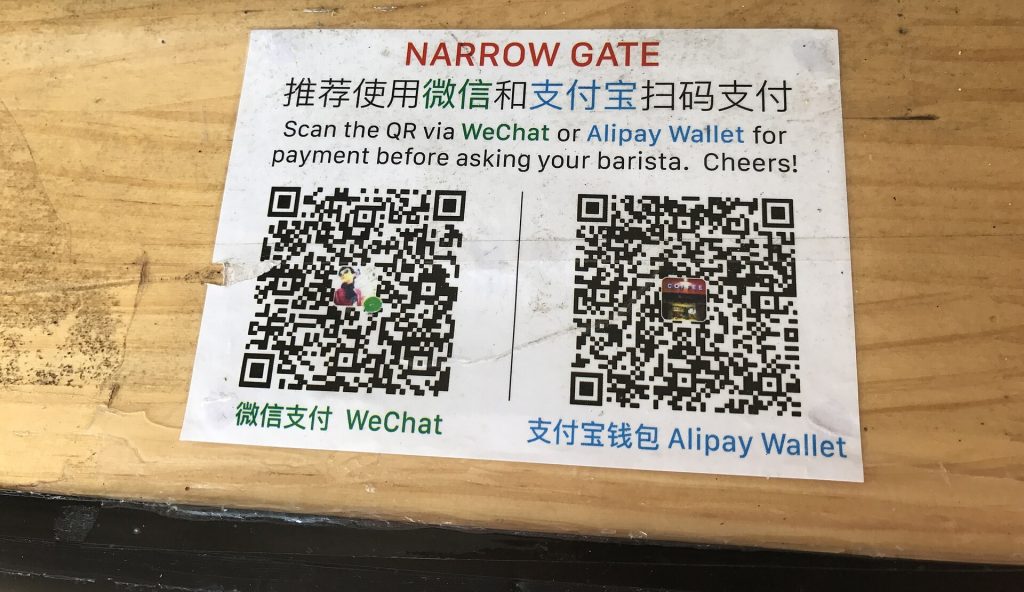
You-Scan-Merchant QR: You open WeChat, tap the ’+’ icon, select “Scan,” and frame the static or dynamic QR code displayed by the vendor. You then enter the payment amount manually and authorize the transaction with your PIN or biometric confirmation. This approach is standard at small street food stalls, local convenience stores, and independent shops. When using a linked foreign card, verify that the merchant’s category supports international rails, as certain micro-merchants or peer-style setups block foreign card routing.
Merchant-Scan-Your-QR (Show-QR): You navigate to “Me” > “Services” > “Wallet” > “Payment” to display your personal dynamic QR code, which the cashier scans with their handheld terminal. This method is typical in major supermarkets, chain restaurants, department stores, and official tourist attractions.
Before embarking on your trip, review the official setup steps in our WeChat Pay foreign card guide to ensure your cards are correctly bound and cleared for these workflows.
Foreign Card Binding Friction and Verification Hurdles
The friction often begins before you even step foot in a store, right during the initial card registration process. Tencent and associated financial clearing networks enforce strict identity verification to comply with regulatory standards set by financial authorities.
Exact Name Matching: Your name entered in WeChat must match the exact spelling on your passport. Even a minor discrepancy between your travel document and your bank profile will cause immediate verification friction or silent transaction rejections.
Bank-Side Security Alerts: Many international banking institutions flag digital wallet transactions originating from mainland China platforms as unusual activity. Before departure, notify your card issuer that you will be traveling and confirm that international online and mobile wallet transactions are fully enabled.
Proactive Verification: If WeChat prompts you for additional identity documents or multi-factor SMS verifications while linking your card, complete these procedures well before you reach a busy checkout counter or transit turnstile.
Navigating Transaction Limits and Fee Thresholds
While verified international users on WeChat Pay operate under established regulatory frameworks, your actual day-to-day spending experience depends on multiple overlapping layers of risk control.
Platform Ceilings vs. Issuer Restrictions: Published maximum limits—such as single mobile-payment caps up to USD 5,000 for verified international users—represent regulatory and platform ceilings rather than universal guarantees. Your specific issuing bank, internal risk algorithms, or individual merchant categories can enforce much lower thresholds.
Fee Structures and Promotional Waivers: Under standard international-card frameworks, transactions of RMB 200 or less are generally exempt from platform service fees, while amounts above RMB 200 may incur a percentage-based processing fee. Check any active promotional waivers (such as temporary first-time user incentives offered by Tencent) directly inside your app settings, as promotional terms change and should always be verified near your travel week.
Practical Backups: Alipay and the Cash Float
Digital payment systems can occasionally stumble due to network connectivity issues, card issuer security blocks, or merchant terminal incompatibilities. Building a robust redundancy plan is essential for any stress-free trip.
Alipay as a Secondary Digital Rail: Configuring a separate mobile payment application provides an immediate alternative if WeChat Pay encounters an unexpected card-level decline.
The Physical Cash Float: Even with ubiquitous mobile payments across urban centers, retaining physical RMB banknotes remains vital for remote regions, older transit ticketing systems, or emergency situations. Consult our guide on why cash is still needed to map out a safe cash reserve for your itinerary. Always cross-reference official announcements from bodies like the National Immigration Administration or local municipal services close to your departure date.
FAQ
Can I use a foreign card for peer-to-peer transfers or red envelopes?
No. International cards linked to WeChat Pay are restricted to commercial purchases and approved mini-programs. Features like sending digital red envelopes, peer-to-peer money transfers, or funding personal balances are generally reserved for accounts tied to mainland Chinese bank accounts and domestic ID verification.
Why did my WeChat Pay transaction get declined even though I am under the limit?
Declines typically occur due to strict anti-fraud triggers from your home bank, passport detail mismatches, or merchant terminal types that do not support international card rails. If a transaction fails, avoid rapid repeated attempts, check your app notifications for specific error messages, and switch to an alternative payment method like Alipay or physical cash.
Should I rely entirely on WeChat Pay during my trip?
While WeChat Pay and Alipay handle the vast majority of daily expenses across China, relying on a single payment method is risky. Always maintain a secondary digital wallet app, a physical backup credit or debit card with zero foreign transaction fees, and a small amount of local currency cash for complete peace of mind.
Related Lovely China reading
For payments, start with Alipay and WeChat Pay hub and WeChat Pay vs Alipay for tourists. For trains, keep high-speed rail first-timers guide and 12306 passport signup for foreigners handy. City hubs: Beijing first-visit guide, Shanghai first-visit guide. Connectivity: roaming vs local SIM honest guide, pocket Wi-Fi vs eSIM for China, offline maps for foreigners. Bookmark China travel tools page.
Practical checklist
- Confirm official rules on the relevant government, park, airline, or bank page near your travel week
- Screenshot bookings, tickets, and QR codes while you still have stable Wi-Fi
- Save hotel and attraction names in Chinese characters in your phone notes
- Carry passport, a backup payment method, and a small cash float (why cash is still needed)
- Test one small mobile payment before you rely on wallets at a gate or taxi
- Keep the China travel tools page page bookmarked for related Lovely China hubs
FAQ
Is this people advice official?
No. Lovely China orients travellers. Verify live rules on official pages, apps, and counters near your travel week.
Will every city behave the same?
No. Airports, stations, parks, and markets differ. Use local signage and staff instructions when they conflict with a general guide.
What should I screenshot before I lose Wi-Fi?
Bookings, tickets, hotel Chinese address, pickup pins, and payment success screens.
Notes for late 2026 travellers
November and early December bring cooler mornings, earlier sunsets, and comfortable walking weather across much of eastern and central China. Pack layers and leave extra time on clear weekends at popular sights.
This article does not invent ticket prices, opening hours, processing times, consular fees, or official statistics. When a number matters, verify it on the official site, app screen, or ticket board near your travel week.
If an official rule page disagrees with this guide, follow the official page. Lovely China orients English-speaking travellers; we are not an immigration, banking, or medical authority.