Tourist markets and small craft stalls in China still bargain; malls and convenience stores mostly do not. This Lovely China culture guide helps foreigners haggle politely—when it is normal, when prices are fixed, and how to walk away without drama. Practical, not preachy.
Pair with queue etiquette foreigners, gift-giving etiquette, when you still need cash, and tipping etiquette foreigners.
First rule: diagnose the venue
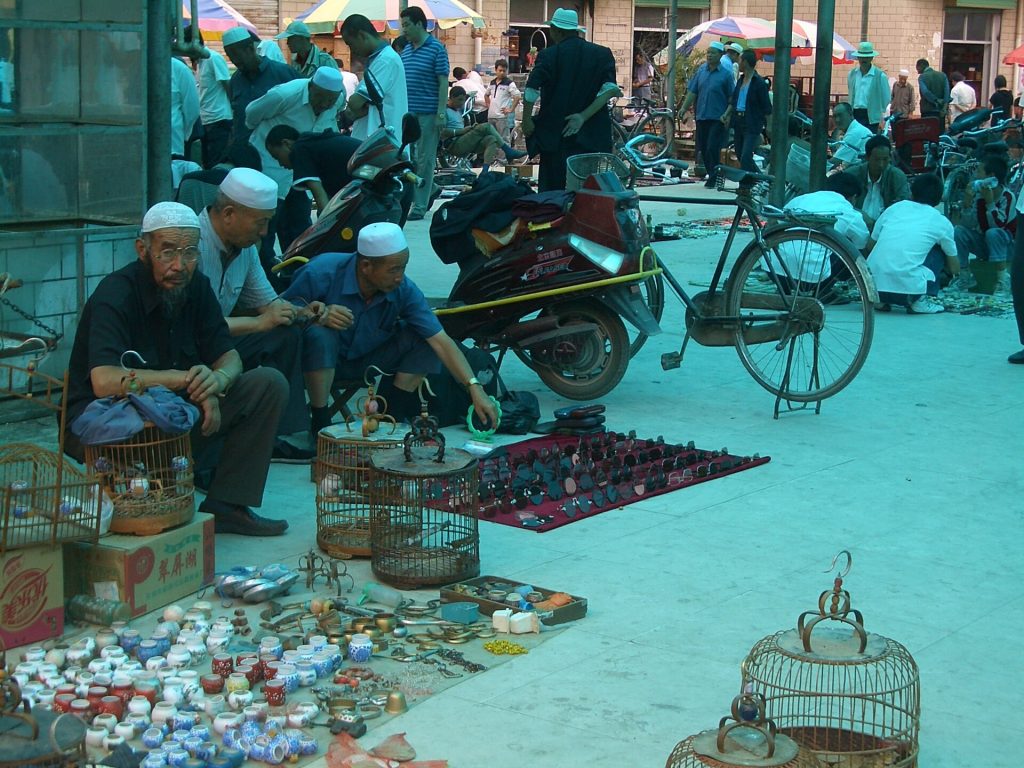
Department stores, branded shops, metro bakery chains, and supermarket shelves are fixed-price worlds. Outdoor souvenir lanes, some antique markets, and loose craft stalls often expect a conversation. If a price is printed on a scanner gun label in a modern mall, do not perform theatre.
Polite bargaining flow
1. Greet, look, ask a price calmly.
2. Counter softly—not with insult comedy about the goods.
3. Be ready to buy if they meet your number; bargaining as pure sport wastes everyone’s time.
4. Walk away smiling if the gap is too wide—often the real second offer appears then.
5. Once agreed, pay promptly with WeChat/Alipay or cash (Alipay and WeChat Pay hub, when you still need cash).
Body language
Keep humor light. Do not throw items. Do not block the stall aisle for a ten-minute performance (queue etiquette foreigners). If the seller is helping someone else, wait. Photographing every object without buying can annoy—ask if unsure.
Quality honesty
Bargaining does not fix broken zippers. Inspect stitching, smell for harsh chemicals on textiles, and confirm whether “jade” claims are a story or a certificate you actually understand. Gift-giving culture still prefers thoughtful intact objects (gift-giving etiquette).
When not to haggle
Marked museum shops, airport duty-free style stores, pharmacies, and most restaurants. Street food priced on a board is usually take-it-or-leave-it—especially at peak dinner (when you still need cash).
Cash and QR after the deal
Agree the number clearly, then scan or hand notes. Changing the price after a QR is already scanned is how friendships end. If small vendors prefer cash, that is normal (when you still need cash).
Common mistakes
Opening with an aggressively tiny offer that signals disrespect; bargaining in a fixed-price Uniqlo; and celebrating loudly after a deal as if you defeated the stall.
November market notes
Cooler evenings make outdoor stalls denser at iconic night markets. Keep a layer and a zipped bag. Combine with city evening walks without turning every lantern street into a shopping compulsion.
Angle: market bargaining etiquette for foreigners—when to haggle, when fixed, walk-away manners—practical not preachy.
Ground-level reminders for this topic
Stay flexible when a counter, app screen, or staff instruction disagrees with a blog. Lovely China orients travellers; live official pages and bilingual signs win. Keep China travel tools page, essential apps for foreigners, and Alipay and WeChat Pay hub bookmarked so logistics stay boring while you focus on the angle of this guide: polite bargaining at China tourist markets and small stalls for foreigners—when to haggle, when prices are fixed, body language and walk-away manners.
Documents and screenshots worth keeping
Before you lose Wi-Fi, capture passport biodata clarity, booking codes, Chinese addresses, and any payment success screens (hotel Wi-Fi login with passport, offline maps for foreigners). Hotel desks and station staff solve problems faster when you show one clear screen at a time rather than five half-loaded apps (hotel registration for foreigners).
Weather, crowds, and November pacing
November and early December often mean cooler mornings, clearer light, and earlier sunsets across much of eastern and northern China. Weekend leisure crowds thicken at iconic spots—leave buffers, wear layers, and protect phone battery for maps (Amap Baidu English mode, power bank airport security). City hubs like Beijing first-visit guide and Shanghai first-visit guide punish tight back-to-back plans.
Related Lovely China reading
For payments, start with Alipay and WeChat Pay hub and WeChat Pay vs Alipay for tourists. For trains, keep high-speed rail first-timers guide and 12306 passport signup for foreigners handy. City hubs: Beijing first-visit guide, Shanghai first-visit guide. Connectivity: roaming vs local SIM honest guide, pocket Wi-Fi vs eSIM for China, offline maps for foreigners. Bookmark China travel tools page.
Practical checklist
- Confirm official rules on the relevant government, park, airline, or bank page near your travel week
- Screenshot bookings, tickets, and QR codes while you still have stable Wi-Fi
- Save hotel and attraction names in Chinese characters in your phone notes
- Carry passport, a backup payment method, and a small cash float (why cash is still needed)
- Test one small mobile payment before you rely on wallets at a gate or taxi
- Keep the China travel tools page page bookmarked for related Lovely China hubs
FAQ
Is this culture advice official?
No. Lovely China orients travellers. Verify live rules on official pages, apps, and counters near your travel week.
Will every city behave the same?
No. Airports, stations, parks, and markets differ. Use local signage and staff instructions when they conflict with a general guide.
What should I screenshot before I lose Wi-Fi?
Bookings, tickets, hotel Chinese address, pickup pins, and payment success screens.
Notes for late 2026 travellers
November and early December bring cooler mornings, earlier sunsets, and comfortable walking weather across much of eastern and central China. Pack layers and leave extra time on clear weekends at popular sights.
This article does not invent ticket prices, opening hours, processing times, consular fees, or official statistics. When a number matters, verify it on the official site, app screen, or ticket board near your travel week.
If an official rule page disagrees with this guide, follow the official page. Lovely China orients English-speaking travellers; we are not an immigration, banking, or medical authority.