Stepping out for your first meal or taxi ride in China often brings a familiar traveler dilemma: should you leave a tip? For visitors coming from North America, Europe, or other regions where tipping is baked into daily commerce, navigating China’s distinct service culture requires a complete reset. In China, tipping is traditionally neither expected nor practiced in everyday situations. Understanding where gratuities are unnecessary—and where exceptions quietly apply—will save you from awkward moments, confused service staff, and unnecessary spending during your trip throughout the late 2026 travel season.
The Core Rule: Zero Tipping Culture
In mainstream Chinese society, service is viewed as a fundamental part of the transaction rather than an underpaid role dependent on discretionary bonuses. Leaving extra money on a table or handing cash directly to a service worker can cause genuine confusion. Staff members may chase you down the street to return “forgotten” money or politely refuse it, interpreting it as an overpayment rather than a reward for good service. Respecting local norms means embracing the absence of tipping as a cultural standard rather than an omission, allowing you to interact naturally with service professionals without transactional pressure.
Everyday Services: Restaurants, Cafes, and Taxis
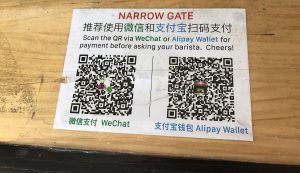
For casual dining, neighborhood noodle shops, modern coffee chains, and standard street-side vendors, tipping is completely absent from the exchange. Your bill reflects the exact total, and payments are routinely handled via digital scanning apps rather than physical currency.
Taxis and ride-sharing services follow the exact same rule. Whether you hail a street cab or use taxi cash vs QR for foreigners, drivers do not expect a tip, and meters or app totals are settled to the exact digit. If you use app-based transit, setup guides like the Alipay and WeChat Pay hub show how smooth these exact electronic transactions have become across major cities heading into the winter months of late 2026.
Exceptions and Edge Cases: Where Rules Shift
While everyday venues maintain a strict no-tip baseline, certain internationalized environments and high-end sectors operate differently:
Upscale Western Hotels and International Chains: High-end hotels catering primarily to international business travelers and luxury tourists sometimes accept tips for bellhops or housekeeping, though it remains entirely optional rather than mandatory.
High-End Fine Dining and Banquet Venues: Luxury restaurants or hotel dining rooms frequently add an automatic service charge directly onto the bill. When a service fee is already included, additional tipping is completely redundant. If you are participating in formal corporate meals or social events, reviewing guidelines like Chinese banquet seating etiquette helps clarify other nuances of dining hospitality.
Private Tour Guides and Drivers: If you hire a private guide or a dedicated chartered vehicle through an agency for multi-day sightseeing, international tourism standards have introduced tipping expectations in these specific niches. While still not universal among local travelers, tour operators catering to foreign expats or overseas visitors may suggest a token of appreciation for exceptional full-day service. Always check your tour booking terms beforehand.
How Digital Payments Eradicated Small Cash
The widespread adoption of mobile payment ecosystems has further eliminated casual tipping habits. Because almost all transactions—from buying bottled water to paying for high-speed rail tickets—are conducted digitally through mobile wallets, people rarely carry physical renminbi coins or small-denomination notes. When comparing options via WeChat Pay vs Alipay for tourists, you will notice that neither platform features a gratuity prompt at checkout. Transactions close cleanly, reinforcing the cultural baseline that tips do not belong in standard digital commerce.
Practical Checklist for Your Trip
As you prepare for travel through November and December 2026, keep these actionable steps in mind:
Verify receipts: Always glance at restaurant or hotel bills to check for an automatic service charge before deciding on extra payments.
Avoid forcing cash: Refrain from leaving loose change on tables; it causes logistical confusion for restaurant staff.
Ask tour operators directly: If traveling with a private guide or driver, clarify their agency’s policy regarding gratuities ahead of time.
Verify local advisories: For specific regional guidelines or travel updates, consult official bodies such as the local Municipal Bureau of Culture and Tourism near your travel week.
FAQ
What should I do if a server tries to return money I left on the table?
Smile, politely accept the cash back, and explain that it was a simple mistake or a misunderstanding of local custom. Do not insist they keep it, as forced tipping can create awkward social friction.
Are service charges mandatory in Chinese hotels and restaurants?
Yes, when an explicit service fee is printed on your itemized bill, it is a mandatory charge added by the establishment. You do not need to add any additional tip on top of that fee.
Do tour guides expect tips if they are booked through a local agency?
It depends on whether the agency caters specifically to international travelers. Standard local domestic tours do not include tipping, but private international operators may outline recommended gratuities in your tour packet.
Can I tip food delivery couriers or ride-share drivers through their apps?
Most major delivery and ride-hailing apps in China do not feature native tipping functions. Transactions are strictly automated based on distance and service tiers, so extra gratuities are neither built into the software nor expected by drivers.
Related Lovely China reading
For payments, start with Alipay and WeChat Pay hub and WeChat Pay vs Alipay for tourists. For trains, keep high-speed rail first-timers guide and 12306 passport signup for foreigners handy. City hubs: Beijing first-visit guide, Shanghai first-visit guide. Connectivity: roaming vs local SIM honest guide, pocket Wi-Fi vs eSIM for China, offline maps for foreigners. Bookmark China travel tools page.
Practical checklist
- Confirm official rules on the relevant government, park, airline, or bank page near your travel week
- Screenshot bookings, tickets, and QR codes while you still have stable Wi-Fi
- Save hotel and attraction names in Chinese characters in your phone notes
- Carry passport, a backup payment method, and a small cash float (why cash is still needed)
- Test one small mobile payment before you rely on wallets at a gate or taxi
- Keep the China travel tools page page bookmarked for related Lovely China hubs
FAQ
Is this people advice official?
No. Lovely China orients travellers. Verify live rules on official pages, apps, and counters near your travel week.
Will every city behave the same?
No. Airports, stations, parks, and markets differ. Use local signage and staff instructions when they conflict with a general guide.
What should I screenshot before I lose Wi-Fi?
Bookings, tickets, hotel Chinese address, pickup pins, and payment success screens.
Notes for late 2026 travellers
November and early December bring cooler mornings, earlier sunsets, and comfortable walking weather across much of eastern and central China. Pack layers and leave extra time on clear weekends at popular sights.
This article does not invent ticket prices, opening hours, processing times, consular fees, or official statistics. When a number matters, verify it on the official site, app screen, or ticket board near your travel week.
If an official rule page disagrees with this guide, follow the official page. Lovely China orients English-speaking travellers; we are not an immigration, banking, or medical authority.