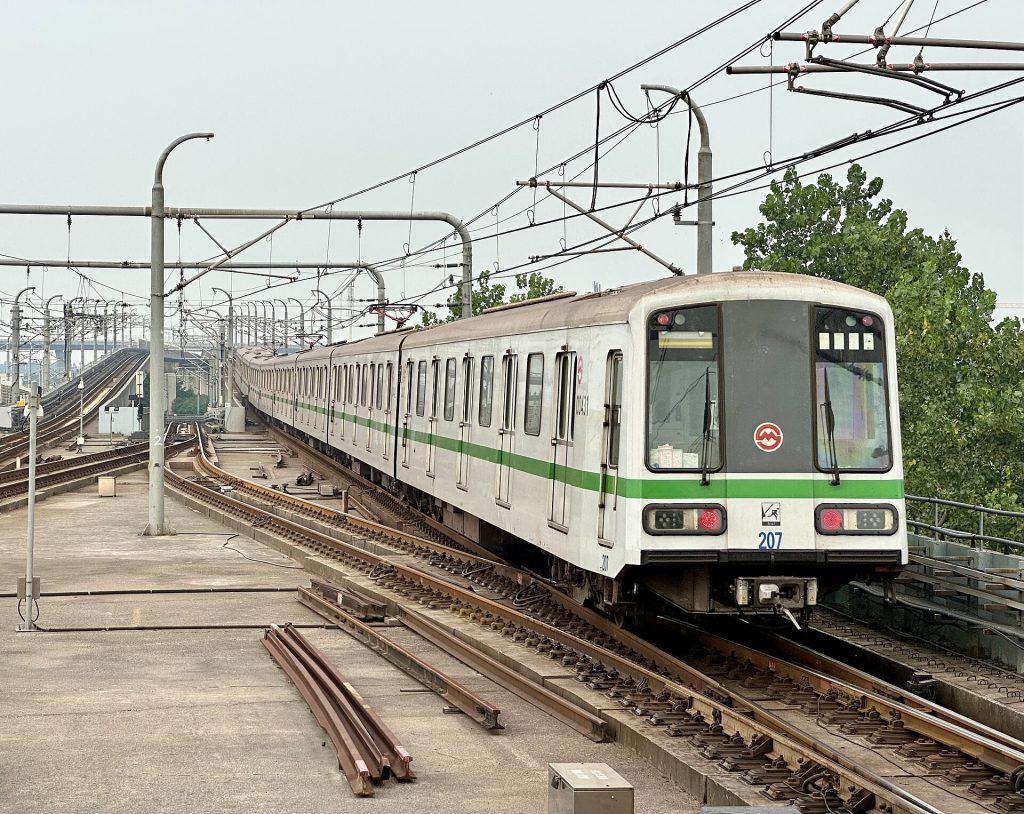
Navigating the sprawling network of the Shanghai Metro as a first-time foreign visitor can feel daunting at first glance, but with clear bilingual signage, widespread digital transit options, and a logical layout, you can move across the city efficiently. Whether you are arriving for a late autumn business trip or exploring festive holiday sights in November and December 2026, mastering the metro will save you significant time and ground transportation costs. According to updates from the Shanghai Municipal Government and Shanghai Shentong Metro Group, transit channels continue to streamline digital and card access for international travellers, though it is always wise to verify operating details on official municipal portals near your travel week.
1. Choosing Your Fare Option: Apps vs. Station Tickets
The most flexible way to ride the Shanghai Metro is setting up a digital transit code before you arrive. Most international visitors bind foreign Visa, Mastercard, or American Express cards via digital wallets. For a comprehensive walkthrough on setting up your digital payment capabilities, consult our Alipay and WeChat Pay hub. Within applications like Alipay or the official Shanghai Metro Daduhui app, you can generate a transit QR code to scan directly at turnstiles without needing local bank accounts.
If you prefer physical ticketing or experience app connectivity issues underground, station service desks and modern ticket vending machines feature POS card acceptance for foreign credit cards and contactless payment methods. Single-journey tickets, one-day passes, and multi-day tourist cards can be purchased directly from these machines. Always inspect your app’s city selection settings before reaching the gate to ensure Shanghai is active, preventing failed scans during morning and evening commutes.
2. Airport Connections and Major Hub Transfers
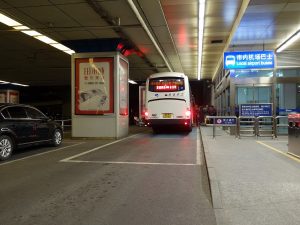
Getting from Shanghai’s major transport hubs into the city center is straightforward via the metro network. Both Pudong International Airport and Hongqiao International Airport are directly linked to multiple trunk lines that connect seamlessly to downtown commercial and residential districts. For high-speed airport transit options and terminal access, check our overview on Shanghai Maglev and metro, which covers high-speed rail connections alongside standard subway routes.
When transferring between lines at massive central interchanges like People’s Square, Century Avenue, or Xujiahui, follow the bright overhead signs written in both Chinese characters and English. Interchanges can involve walking through long subterranean corridors, so allow an extra five to ten minutes for complex transfers during peak transit hours. Pay close attention to line numbers and terminal direction names posted on platform walls to ensure you board the correct train.
3. Security Screening and Luggage Etiquette
Every passenger entering a Shanghai Metro station must pass through automated security screening. All backpacks, suitcases, and large shopping bags must go through the X-ray belt scanner, while passengers walk through a metal detector archway. Station security staff are accustomed to international travelers and bulky luggage, but prompt cooperation keeps queues moving smoothly for everyone.
During cooler months like November and December, passengers often carry heavy winter coats, scarves, and extra luggage. Keep your bags close to your body and be mindful of your personal belongings in crowded carriages. When boarding, always let passengers exit the train completely before stepping onto the platform, and avoid blocking doorways with large bags or suitcases during peak commute windows. Weekend crowds near major shopping districts can surge during late autumn holidays and weekends, so patience and orderly queueing are essential.
4. Practical Checklist for Your First Metro Journey
Before heading underground for your first ride, run through this concise preparation checklist to ensure a seamless transit experience across the network:
Digital Setup: Download, verify, and test your payment app or transit code tool prior to your international departure.
Connectivity: Ensure your mobile data or eSIM remains active while underground so your dynamic QR code generates correctly at exit gates.
Navigation Tools: Familiarize yourself with station layouts, line numbers, and terminal station names rather than relying solely on color codes.
Backup Option: Keep a physical contactless bank card or emergency cash available in case your mobile wallet requires re-authentication or data fails.
Local Reference: For broader city preparation and itinerary tips, review the guidance provided in our Shanghai first-visit guide.
FAQ
Can I use my international credit card directly at the turnstiles?
Direct contactless card tap availability varies by line and gate type, though many stations have upgraded hardware. For the most reliable mobile experience, linking an international card inside a supported transit app or purchasing a single ticket via station POS machines is recommended. Verify current turnstile hardware specifications on official municipal transport websites before you travel.
What should I do if my metro QR code fails to scan at the gate?
First, check that your app has Shanghai selected as the active city and that your mobile data connection is working. If the error persists, step aside and visit the customer service center located right beside the gates. Station attendants can assist with resetting your digital transit status or helping you purchase a physical single-journey ticket.
How do I navigate complex station transfers during peak hours?
Look up at the overhead hanging signs, which feature clear English text, line numbers, and directional arrows. Avoid stopping abruptly in the middle of busy corridors; step to the side if you need to check your map. Allow extra transfer time during late autumn and winter weekend rush hours when crowds increase around downtown commercial hubs.
Are English translations available throughout the network?
Yes, all station announcements, digital destination boards, platform signs, and exit markers feature English alongside Mandarin Chinese. Ticket vending machines and station service windows also support multilingual navigation to assist international travellers in finding their destinations without difficulty.
Related Lovely China reading
For payments, start with Alipay and WeChat Pay hub and WeChat Pay vs Alipay for tourists. For trains, keep high-speed rail first-timers guide and 12306 passport signup for foreigners handy. City hubs: Beijing first-visit guide, Shanghai first-visit guide. Connectivity: roaming vs local SIM honest guide, pocket Wi-Fi vs eSIM for China, offline maps for foreigners. Bookmark China travel tools page.
Practical checklist
- Confirm official rules on the relevant government, park, airline, or bank page near your travel week
- Screenshot bookings, tickets, and QR codes while you still have stable Wi-Fi
- Save hotel and attraction names in Chinese characters in your phone notes
- Carry passport, a backup payment method, and a small cash float (why cash is still needed)
- Test one small mobile payment before you rely on wallets at a gate or taxi
- Keep the China travel tools page page bookmarked for related Lovely China hubs
FAQ
Is this travel advice official?
No. Lovely China orients travellers. Verify live rules on official pages, apps, and counters near your travel week.
Will every city behave the same?
No. Airports, stations, parks, and markets differ. Use local signage and staff instructions when they conflict with a general guide.
What should I screenshot before I lose Wi-Fi?
Bookings, tickets, hotel Chinese address, pickup pins, and payment success screens.
Notes for late 2026 travellers
November and early December bring cooler mornings, earlier sunsets, and comfortable walking weather across much of eastern and central China. Pack layers and leave extra time on clear weekends at popular sights.
This article does not invent ticket prices, opening hours, processing times, consular fees, or official statistics. When a number matters, verify it on the official site, app screen, or ticket board near your travel week.
If an official rule page disagrees with this guide, follow the official page. Lovely China orients English-speaking travellers; we are not an immigration, banking, or medical authority.