Traveling to China as an expat or visitor in late 2026 presents an exciting mix of ultra-modern digital convenience and unique connectivity hurdles. Staying connected is essential for everything from high-speed rail ticketing to digital payments, but maintaining access to your home country’s banking, messaging, and authentication apps is equally vital. By leveraging modern phone technology—specifically dual-SIM functionality and electronic SIMs (eSIMs)—you can keep your home number active for crucial two-factor authentication (2FA) texts while utilizing local or regional data for your day-to-day navigation across the mainland.
Dual-SIM and eSIM Setup Patterns for China
Balancing a home country phone number with local data access requires understanding how modern smartphones handle multiple active lines. Most recent iPhone, Samsung, and Google Pixel models support a combination of physical nano-SIM cards and embedded eSIM profiles, allowing you to run two active lines simultaneously.
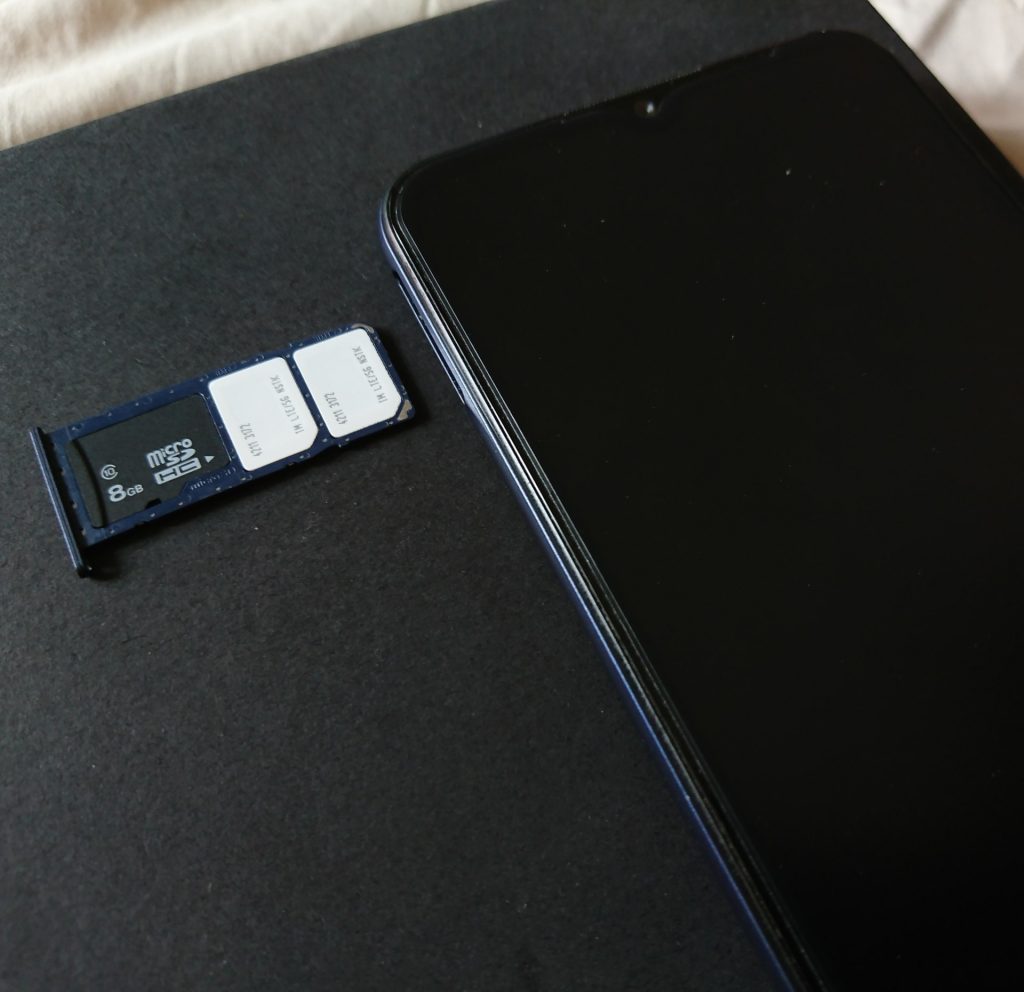
Physical Home SIM + Data eSIM: This is the most common configuration for international travelers. You keep your home carrier’s physical SIM card in your phone to receive incoming text messages and voice calls (ideal for bank OTPs and urgent family contact), while installing a data-focused eSIM profile for your time in China.
Dual eSIM Configuration: If your device supports dual active eSIMs (such as newer iPhone models), you can store both your home carrier profile and your China travel profile digitally without swapping physical chips.
Data Line Management: In your phone’s cellular settings, explicitly designate your home SIM for voice and SMS only, while assigning your data eSIM as the primary source for mobile data. This prevents unexpected roaming data charges on your home bill.
For a deeper dive into how digital profiles compare against traditional physical setups, review the SIM vs eSIM carriers compare guide. Furthermore, if you are deciding between a virtual profile or traditional hardware, comparing options like pocket Wi-Fi vs eSIM for China can help clarify which hardware setup best fits your travel style.
Messaging Expectations and Service Realities
When using a foreign data line or international roaming plan inside mainland China, it is important to set realistic expectations regarding app accessibility and communication protocols.
Messaging Apps: Standard internet-based messaging platforms operate according to network routing policies. For a detailed breakdown of how standard communication tools behave under different data connections, consult the WhatsApp / iMessage expectations resource.
Home Carrier Roaming vs. Local Data: Relying purely on international roaming through your home provider routes your data traffic back through your home country’s servers, which can introduce latency. Conversely, utilizing a specialized travel data profile routes traffic regionally, though standard mainland internet filtering policies still apply to foreign web services.
Authentication and Verification: Always ensure your home mobile number remains active for SMS reception before departure. Many international banking apps and email providers send mandatory verification codes via text message, which will arrive directly through your active home SIM line even while your data line is handling web browsing.
Hardware Practicalities: Battery, Signal, and Activation Timing
Running two simultaneous cellular connections places an extra demand on your smartphone’s hardware. Managing these technical nuances ensures a smooth journey from arrival to departure.
Battery Consumption: Dual-radio standby—maintaining a connection to your home network tower via your physical SIM while simultaneously polling local towers for your data eSIM—draws significantly more battery power than a single SIM setup. Carry a reliable portable power bank, especially during long days of transit or sightseeing.
Activation Logistics: Timing your digital profile installation is critical. Depending on whether you prefer getting connected right as you touch down or settling into your accommodation first, read through the considerations outlined in eSIM airport pickup vs ship-to-hotel and eSIM activate before departure to choose the best workflow for your itinerary.
Network Switching: If your phone loses connection upon crossing regional borders, toggling airplane mode on and off forces your device to refresh its local tower handshake and re-establish stable data flow.
FAQ
Will I still receive text messages from my home bank while in China?
Yes, as long as your home physical SIM or home eSIM remains active and set to allow roaming for cellular calls and SMS. Keep in mind that while incoming text messages for two-factor authentication are typically free to receive, you should check your home carrier’s specific rates for accidental voice calls or outbound messaging.
Can my phone use my home SIM for calls and my travel eSIM for data at the same time?
Yes. Modern smartphones are engineered for dual-SIM dual-standby (DSDS) operation. You can designate your home line strictly for voice and SMS while forcing all internet traffic, app usage, and map navigation through your travel data profile.
How does mainland internet filtering affect foreign data profiles?
If you are using an international travel data profile or roaming directly with a foreign carrier, your data connection may still be subject to standard mainland network governance and firewall policies. It is always wise to verify essential communication needs and download necessary domestic transport apps—such as official rail portals like 12306 or local metro apps—before arriving.
Should I activate my data eSIM before leaving my home country?
Many data profiles can be installed prior to departure so that your device is ready to connect the moment you land. However, check the specific activation terms of your data provider; some profiles begin their validity countdown the moment they connect to a supported foreign cellular network, while others only activate upon first data usage in the destination country.
Related Lovely China reading
For payments, start with Alipay and WeChat Pay hub and WeChat Pay vs Alipay for tourists. For trains, keep high-speed rail first-timers guide and 12306 passport signup for foreigners handy. City hubs: Beijing first-visit guide, Shanghai first-visit guide. Connectivity: roaming vs local SIM honest guide, pocket Wi-Fi vs eSIM for China, offline maps for foreigners. Bookmark China travel tools page.
Practical checklist
- Confirm official rules on the relevant government, park, airline, or bank page near your travel week
- Screenshot bookings, tickets, and QR codes while you still have stable Wi-Fi
- Save hotel and attraction names in Chinese characters in your phone notes
- Carry passport, a backup payment method, and a small cash float (why cash is still needed)
- Test one small mobile payment before you rely on wallets at a gate or taxi
- Keep the China travel tools page page bookmarked for related Lovely China hubs
FAQ
Is this people advice official?
No. Lovely China orients travellers. Verify live rules on official pages, apps, and counters near your travel week.
Will every city behave the same?
No. Airports, stations, parks, and markets differ. Use local signage and staff instructions when they conflict with a general guide.
What should I screenshot before I lose Wi-Fi?
Bookings, tickets, hotel Chinese address, pickup pins, and payment success screens.
Notes for late 2026 travellers
November and early December bring cooler mornings, earlier sunsets, and comfortable walking weather across much of eastern and central China. Pack layers and leave extra time on clear weekends at popular sights.
This article does not invent ticket prices, opening hours, processing times, consular fees, or official statistics. When a number matters, verify it on the official site, app screen, or ticket board near your travel week.
If an official rule page disagrees with this guide, follow the official page. Lovely China orients English-speaking travellers; we are not an immigration, banking, or medical authority.