Early December brings a distinct atmosphere to Beijing. The autumn tour crowds have thinned, the municipal heating grid is running at full capacity, and crisp, dry northern air settles over the capital. While temperatures hover around freezing, visiting during early December 2026 offers calm courtyard strolls, uncrowded imperial sights, and clear vistas along the mountain ridges. Successfully navigating this transition into deep winter requires understanding two key factors: Beijing’s short daylight hours and the sharp contrast between freezing outdoor winds and intensely heated indoor spaces.
December Realities: Daylight, Heating, and Weather
Visiting northern China in early December means adjusting your schedule to the winter sun. By early December, the sun sets around 4:45 PM, meaning outdoor exploration must shift to morning and midday hours.
Outdoor Cold vs. Indoor Dry Heat
Beijing’s municipal central heating (nuanqi) is fully active across hotels, metro cars, restaurants, and museums. While outdoor temperatures routinely sit between -4°C (25°F) at night and 6°C (43°F) at midday, indoor spaces are consistently heated to 20°C (68°F) or warmer.
The primary challenge for first-timers is the low relative humidity indoors. The dry radiators can cause chapped lips, dry skin, and throat irritation within 24 hours of arrival.
What to Pack
Pack flexible layers rather than a single heavy, immovable parka so you can adapt quickly when entering heated buildings:
Base Layer: Lightweight merino wool or thermal tops and bottoms.
Mid Layer: Fleece jacket, wool knit, or lightweight down vest.
Outer Layer: Windproof insulated coat covering your thighs, as wind chills through wide imperial plazas can be biting.
Extremities: Fleece-lined gloves (touchscreen-compatible for metro ticketing apps), a warm beanie, and a neck gaiter.
Moisture Care: Heavy-duty lip balm, a small travel tub of moisturizer, and saline nasal spray.
Hydration: An insulated thermos flask. Free hot boiled drinking water stations are standard in Chinese train stations, museums, and airports.
Managing Logistics: Winter Bookings and Transit
Winter operations mean slightly shorter visiting windows at major cultural sites. Always check opening times and booking policies on official ticketing mini-programs or museum platforms prior to finalizing your daily route.
High-Demand Attractions
The Palace Museum (Forbidden City) operates on low-season hours starting in late autumn, typically closing entry by mid-afternoon. If you are comparing this to late-autumn planning, review our notes on Forbidden City November tickets and check the Palace Museum’s official WeChat mini-program seven days ahead of your intended entry date to secure your slot.
Similarly, the National Museum of China and the Chairman Mao Memorial Hall require advance real-name reservations tied to your foreign passport number. Always cross-check entry requirements directly through official booking portals the week you travel.
Getting Around the City
Beijing’s subway system is warm, punctual, and easy to navigate with English signage and audio announcements. To navigate complex intersections and station junctions smoothly, consult our guide to subway transfers.
Keep a contactless payment option or mobile payment setup ready (via Alipay or WeChat Pay linked to an international bank card) to breeze through ticket barriers without waiting in cold station entrances.
A Balanced 3-Day Early December Flow
This calm itinerary balances morning outdoor walks during peak daylight with indoor gallery time and warm northern dining in the late afternoon.
Day 1: The Imperial Core and Jingshan Sunset
Morning (8:30 AM – 1:00 PM): Enter Tiananmen Square (security checks require passport verification) and proceed directly through the Meridian Gate into the Forbidden City. Focus on the central ceremonial axis before drifting into the less-visited eastern courtyards.
Early Afternoon (1:30 PM – 3:30 PM): Exit through the Gate of Divine Might (North Gate) and cross into Jingshan Park. Climb the central pavilion steps for panoramic views of the golden palace roofs against the pale winter sky.
Late Afternoon (4:00 PM – 6:30 PM): As the sun dips and winds pick up, head into a nearby restaurant for traditional Beijing mutton hotpot (shuanyangrou) cooked in copper pots over hot charcoal broth.
Day 2: The Great Wall at Mutianyu
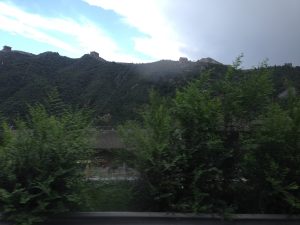
Morning (7:30 AM – 11:30 AM): Depart central Beijing early for the Mutianyu section of the Great Wall. The morning sun provides good visibility, and mountain breezes are lighter before midday.
Midday (11:30 AM – 2:00 PM): Take the cable car up and hike the watchtower steps. The stone battlements can ice over after light flurries, so sturdy footwear with deep traction is mandatory.
Evening: Return to the city center. Rest in your hotel, hydrate, and enjoy a quiet evening in the Sanlitun or Guomao areas.
Day 3: Winter Palaces, Temples, and Hutongs
Morning (9:00 AM – 11:30 AM): Visit the Summer Palace. The vast Kunming Lake begins catching thin ice along its shores in early December, creating stark, quiet vistas around the Seventeen-Arch Bridge.
Midday (12:30 PM – 2:30 PM): Head east to the Lama Temple (Yonghegong). The fragrant incense smoke and warm temple halls offer a peaceful counterpoint to the brisk courtyard air.
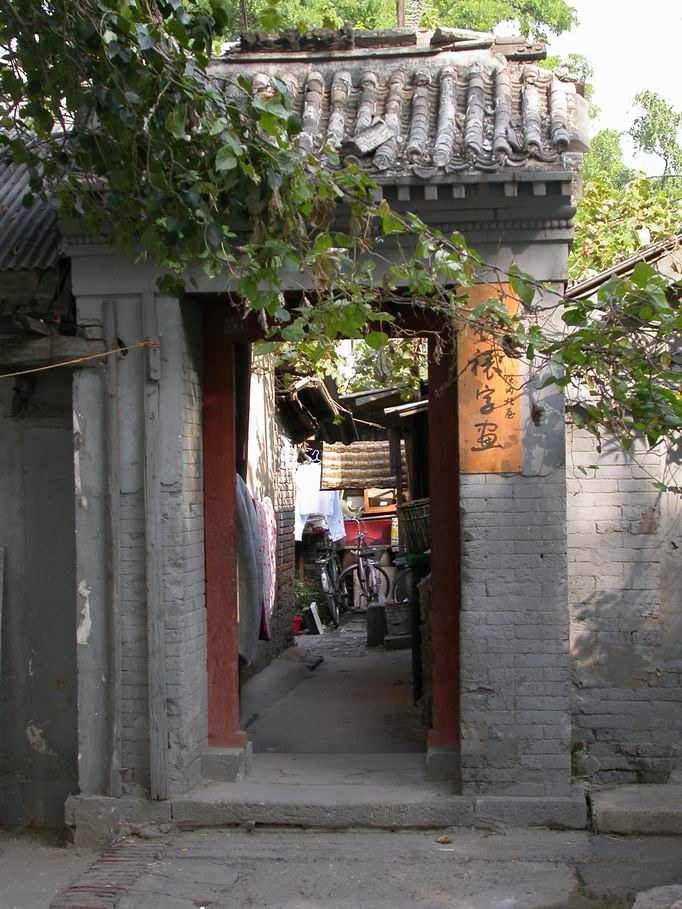
Late Afternoon (3:00 PM – 5:00 PM): Wander through the surrounding Dongcheng hutongs (such as Wudaoying or Guozijian) before dark. Pop into neighborhood tea houses or independent bakeries to warm up. For more foundational advice on structuring your stops, check our broad Beijing first-visit overview.
Practical Winter Travel Checklist
Before boarding your train or flight to Beijing, run through this practical checklist:
Verify Passports and Visas: Confirm your entry documentation with the National Immigration Administration (NIA) regulations, including eligibility under the 24/72/144-hour visa-free transit policies if transiting through Beijing Capital (PEK) or Beijing Daxing (PKX).
Download Digital Tools: Set up Alipay, WeChat, and a localized transit navigation map prior to departure. Confirm that roaming or an international eSIM is active.
Inspect Winter Footwear: Pack insulated, flat-soled boots. Polished flagstones outside imperial gates become exceptionally slick in sub-zero conditions.
Related Lovely China reading
For payments, start with Alipay and WeChat Pay hub and WeChat Pay vs Alipay for tourists. For trains, keep high-speed rail first-timers guide and 12306 passport signup for foreigners handy. City hubs: Beijing first-visit guide, Shanghai first-visit guide. Connectivity: roaming vs local SIM honest guide, pocket Wi-Fi vs eSIM for China, offline maps for foreigners. Bookmark China travel tools page.
Practical checklist
- Confirm official rules on the relevant government, park, airline, or bank page near your travel week
- Screenshot bookings, tickets, and QR codes while you still have stable Wi-Fi
- Save hotel and attraction names in Chinese characters in your phone notes
- Carry passport, a backup payment method, and a small cash float (why cash is still needed)
- Test one small mobile payment before you rely on wallets at a gate or taxi
- Keep the China travel tools page page bookmarked for related Lovely China hubs
FAQ
Is this travel advice official?
No. Lovely China orients travellers. Verify live rules on official pages, apps, and counters near your travel week.
Will every city behave the same?
No. Airports, stations, parks, and markets differ. Use local signage and staff instructions when they conflict with a general guide.
What should I screenshot before I lose Wi-Fi?
Bookings, tickets, hotel Chinese address, pickup pins, and payment success screens.
Notes for late 2026 travellers
November and early December bring cooler mornings, earlier sunsets, and comfortable walking weather across much of eastern and central China. Pack layers and leave extra time on clear weekends at popular sights.
This article does not invent ticket prices, opening hours, processing times, consular fees, or official statistics. When a number matters, verify it on the official site, app screen, or ticket board near your travel week.
If an official rule page disagrees with this guide, follow the official page. Lovely China orients English-speaking travellers; we are not an immigration, banking, or medical authority.