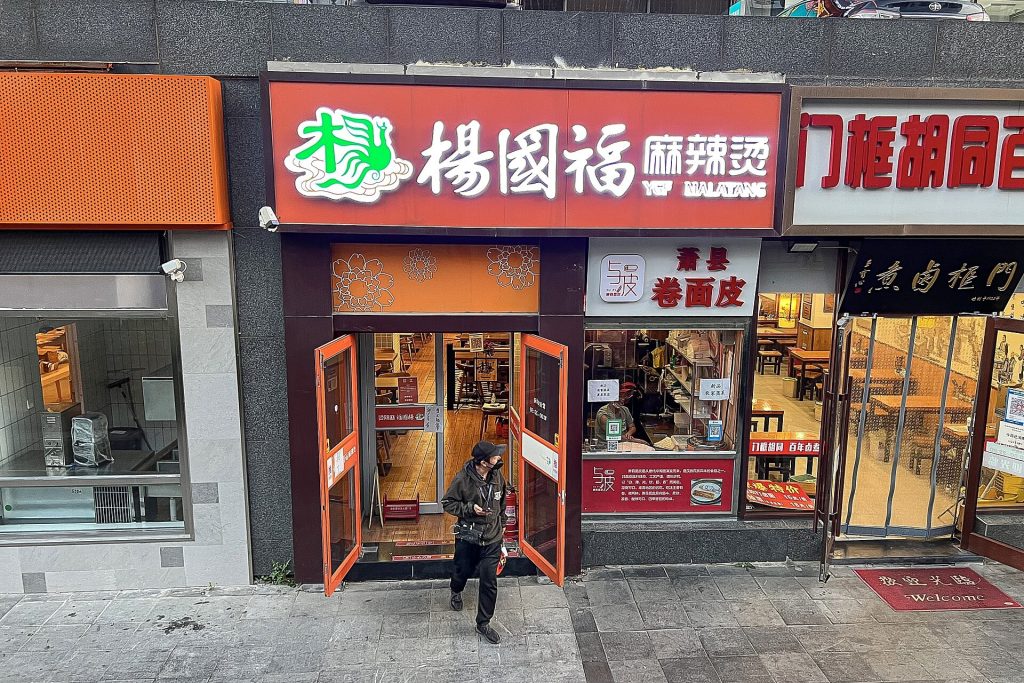
As November and December 2026 bring a sharp chill to cities across China, there is no greater comfort food than a steaming, customized bowl of malatang. Translating roughly to “spicy numb soup,” malatang is the ultimate Chinese fast food. It gives you complete control over what goes into your bowl and exactly how much heat hits your palate. If you want to order malatang as a first-timer in China: pick ingredients, set a spice level you can finish, and pay without surprises—start milder than the staff suggests, and follow these practical steps.
The Basics: Malatang vs. Hotpot
Many visitors confuse malatang with traditional hotpot, but the dining experiences are fundamentally different. While a sit-down meal with friends requires boiling raw ingredients at your table—a communal experience you can master with our guide to Chengdu hotpot first-timers—malatang is a fast, casual, and often solo affair. You choose your raw ingredients, hand them to the kitchen staff, and they do the cooking for you in a massive vat of seasoned broth. A few minutes later, you receive a large, personalized bowl of soup.
Step 1: The Self-Serve Wall vs. The Street Stall
The process begins the moment you walk through the door. Most modern malatang franchises feature a brightly lit, self-serve refrigerator wall spanning the length of the restaurant. Upon entering, grab a large plastic basket and a pair of metal tongs stacked near the entrance.
If you are ordering from a traditional street stall or an older neighborhood shop, the setup looks slightly different. Instead of loose ingredients in bins, the vegetables and meats will be threaded onto wooden skewers. You still pick what you want, but you place the pre-skewered items into a designated tray for the vendor.
Step 2: Choosing Your Ingredients
With your basket and tongs in hand, approach the refrigerated shelves. Building a balanced bowl is part of the fun, and you will typically find the ingredients separated into clear categories.
Leafy Greens and Vegetables: Spinach, bok choy, lettuce, enoki mushrooms, wood ear mushrooms, sliced lotus root, and broccoli are staples. These soak up the broth beautifully.
Tofu and Bean Curd: You will see everything from firm tofu slices to deep-fried tofu puffs, yuba (tofu skin), and frozen tofu. Tofu puffs act like sponges, absorbing maximum flavor.
Meats and Seafood: Look for thinly sliced beef and lamb, quail eggs, spam, meatballs, fish balls, crab sticks, and sometimes more adventurous cuts like tripe or chicken gizzards.
Carbohydrates: To turn your soup into a filling meal, add noodles. Options usually include instant ramen blocks, thick udon, wide sweet potato noodles, and thin rice vermicelli.
Step 3: Weighing and Paying
Once you have filled your basket to your liking, take it to the checkout counter.
In modern shops, the cashier will place your entire basket on a digital scale. The vast majority of these restaurants charge purely by weight, regardless of whether you selected premium beef or cheap cabbage. The screen will display the weight, usually measured in jin (a Chinese unit equaling 500 grams), and calculate your total automatically.
If you are at a skewer-based street stall, the vendor will simply count the skewers rather than weighing them. Different ingredients are grouped by price, often denoted by the length, thickness, or color of the skewer.
You pay upfront before the food is cooked. Hand over your cash or, as is standard everywhere in China today, scan the merchant’s QR code using Alipay or WeChat Pay.
Step 4: Setting Your Spice Level and Broth
Immediately after weighing your food, the cashier will ask how you want it cooked. This is the most critical moment for your palate.
First, they will ask about the broth base. The classic malatang broth is heavily spiced with Sichuan peppercorns (providing the ma, or numbing sensation) and chili oil (the la, or spicy heat). Some shops also offer a non-spicy tomato broth or a rich bone broth (qing tang).
If you choose the classic spicy broth, you must dictate your heat tolerance. The staff will likely ask, “Wei la, zhong la, or te la?” (Mild, medium, or extra spicy). As a golden rule for foreign palates: start milder than the staff suggests. A “medium” in China can easily overwhelm someone accustomed to Western spice levels. If you have already read up on navigating mapo tofu spice levels, apply that same caution here. Ask for wei la (mild spicy) or bu la (no spice) if you prefer to manually add your own chili oil later.
Step 5: Customizing at the Sauce Station
After paying, the cashier will hand you a buzzer or a numbered token. While your food is boiling in the kitchen, head over to the DIY sauce station.
A defining characteristic of northern-style malatang (popularized by massive chains across the country) is the thick, creamy sesame paste (majiang). It acts as a cooling, nutty counterbalance to the fiery chili oil in the soup.
Ladle a generous scoop of sesame paste into a small dipping bowl. Next, add a splash of black vinegar to cut the richness, a drop of sesame oil, minced garlic, chopped scallions, and fresh cilantro. If you ordered a mild broth but decide you want more heat, you can safely add roasted chili oil or crushed chilies from this station to your own exact preference.
Step 6: Digging In
When your buzzer flashes or your number is called out, retrieve your steaming bowl of soup from the pickup window. Make sure to grab a soup spoon and a pair of chopsticks.
The etiquette here is casual—slurping your noodles is completely acceptable, though standard chopsticks etiquette still applies, meaning you should never leave them sticking vertically out of your bowl. Dip your hot ingredients into your personalized sesame sauce blend before eating them to cool them down and add flavor.
FAQ
Do I have to drink the broth?
Related Lovely China reading
For payments, start with Alipay and WeChat Pay hub and WeChat Pay vs Alipay for tourists. For trains, keep high-speed rail first-timers guide and 12306 passport signup for foreigners handy. City hubs: Beijing first-visit guide, Shanghai first-visit guide. Connectivity: roaming vs local SIM honest guide, pocket Wi-Fi vs eSIM for China, offline maps for foreigners. Bookmark China travel tools page.
Practical checklist
- Confirm official rules on the relevant government, park, airline, or bank page near your travel week
- Screenshot bookings, tickets, and QR codes while you still have stable Wi-Fi
- Save hotel and attraction names in Chinese characters in your phone notes
- Carry passport, a backup payment method, and a small cash float (why cash is still needed)
- Test one small mobile payment before you rely on wallets at a gate or taxi
- Keep the China travel tools page page bookmarked for related Lovely China hubs
FAQ
Is this food advice official?
No. Lovely China orients travellers. Verify live rules on official pages, apps, and counters near your travel week.
Will every city behave the same?
No. Airports, stations, parks, and markets differ. Use local signage and staff instructions when they conflict with a general guide.
What should I screenshot before I lose Wi-Fi?
Bookings, tickets, hotel Chinese address, pickup pins, and payment success screens.
Notes for late 2026 travellers
November and early December bring cooler mornings, earlier sunsets, and comfortable walking weather across much of eastern and central China. Pack layers and leave extra time on clear weekends at popular sights.
This article does not invent ticket prices, opening hours, processing times, consular fees, or official statistics. When a number matters, verify it on the official site, app screen, or ticket board near your travel week.
If an official rule page disagrees with this guide, follow the official page. Lovely China orients English-speaking travellers; we are not an immigration, banking, or medical authority.