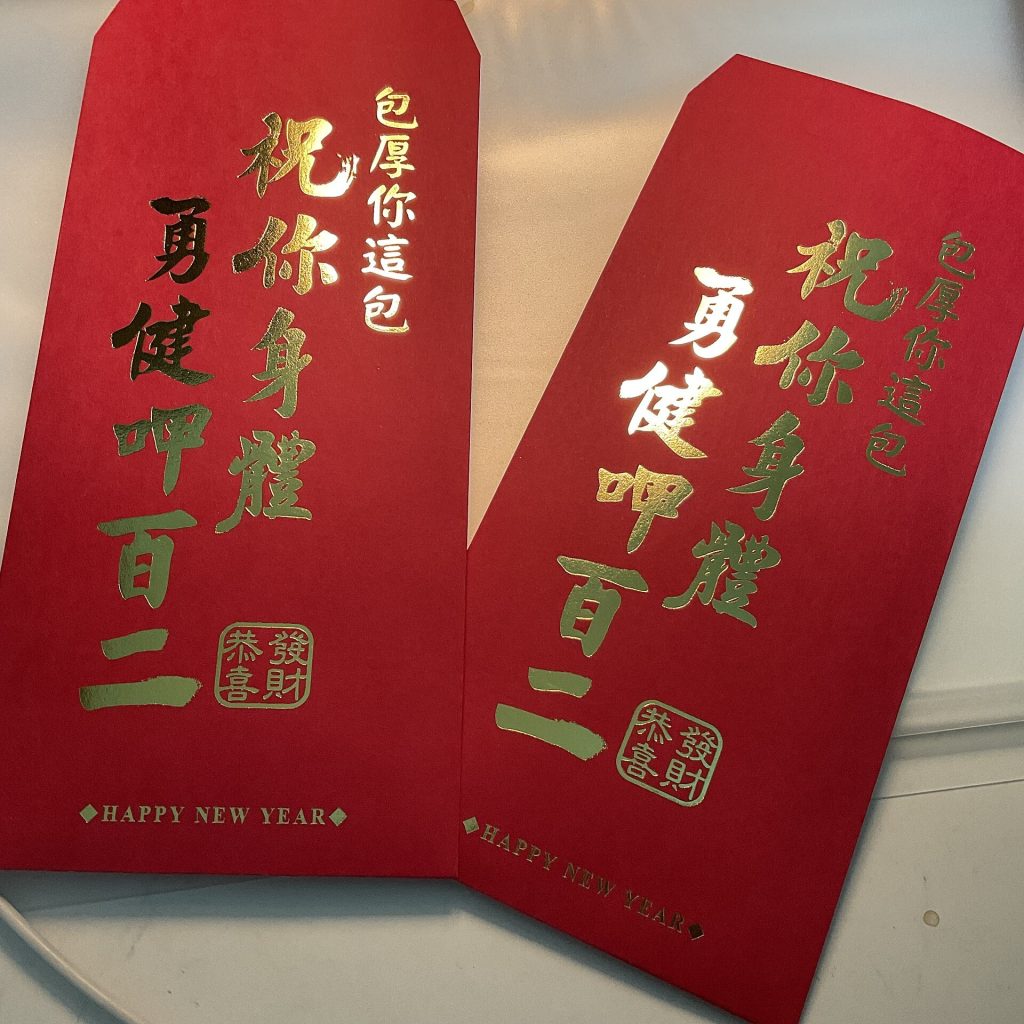
If you join an active WeChat group chat in China—whether for an expat hiking club, a neighborhood compound, or local colleagues planning dinner—you will quickly see bright red envelopes pop up on your screen. These digital red packets (hongbao, 红包) are central to everyday social etiquette and holiday traditions across the country. As November and December approach, end-of-year gatherings and festive banter mean group chats light up with envelopes even more frequently. However, for international visitors relying solely on an international Visa or Mastercard, tapping that red icon often brings confusion, frozen prompts, or unexpected error messages. Here is how WeChat Pay red packets actually work for foreign travelers in 2026, where the limitations lie, and how to handle them gracefully.
Understanding Red Packets vs. Regular Merchant Payments
Visiting China has become substantially easier for international tourists thanks to streamlined digital wallets. Once you complete your initial WeChat setup, paying at corner grocers, coffee shops, high-speed rail concessions, and metro gates with an overseas bank card is generally seamless.
Merchant scanning (scanning a business QR code or having a shop scan your payment code) operates on direct merchant-acquiring rails. In contrast, red packets are peer-to-peer (P2P) social transfers. Under Chinese financial regulations, sending money directly to an individual or distributing funds into a group chat requires real-name verification (KYC) linked to a regulated domestic payment balance or an eligible mainland settlement account. Because of this distinction, an overseas credit or debit card that works perfectly at restaurant checkout counters will often behave completely differently when social features are involved.
What Usually Works: Receiving Group Hongbao
The most common situation you will face in a social chat is a friend or host dropping a group envelope.
Opening “Lucky Money” (Pinshouqi Hongbao)
Group chats frequently use “lucky draw” envelopes (pinshouqi hongbao), where the sender deposits a set amount divided randomly among a fixed number of recipients. When an envelope appears:
Tap the red packet image in the chat window.
Tap the gold Open (開 / 开) button.
The app displays your share along with a ranking of what others received.
Where the Money Goes
If your WeChat account has completed basic identity verification (passport upload under WeChat Pay settings), opening an envelope typically deposits that small sum into your internal WeChat Pay Balance (零钱, Lingqian).
Once credited, this balance can generally be spent on standard domestic merchant transactions—such as buying a convenience store drink, paying a Didi ride, or paying a baker—drawing down your balance before tapping your linked overseas card.
Common Receiving Roadblocks
The Unverified Account Pop-up: If you have only bound a foreign card without completing passport-level identity authentication, WeChat may prompt you to complete real-name verification before allowing you to claim incoming funds.
Wallet Activation Glitches: For deeper step-by-step guidance on resolving balance lockouts when someone sends you funds, consult our guide on how to WeChat Pay receive money.
The “All Grabbed” Screen: If you tap an envelope and see “Hand speed was too slow” (手慢了), the allotted packets were already claimed by other members.
What Usually Fails: Sending Hongbao with Overseas Cards
While receiving modest social packets often works once identity verification is satisfied, sending red packets directly from an overseas credit or debit card usually fails.
[Overseas Visa / Mastercard / Amex]
│
▼
┌───────────────┐
│ Merchant QR? │ ──► YES ──► Payment succeeds (shops, metro, dining)
└───────┬───────┘
│ NO (P2P / Hongbao)
▼
┌───────────────┐
│ Bank Rail │ ──► Overseas cards generally do NOT support
│ Rejection │ funding direct P2P red envelopes
└───────────────┘
When you open a chat dialog, tap +, select Red Packet, enter an amount, and proceed to payment:
The payment selection drawer will display your available funding sources.
Linked international Visa, Mastercard, JCB, or Diners Club cards will typically appear grayed out or marked as unsupported for this transaction type.
If you attempt to select the card anyway, the system presents an in-app prompt stating that the current payment method cannot be used for peer-to-peer transfers or red packets.
The Only Common Exception
If you have previously received enough red packets to build an active internal WeChat Pay Balance, the app will allow you to fund a new red envelope using that accumulated balance. You cannot, however, use a foreign credit card to top up that balance manually.
How to Handle Group Dinners and Shared Expenses
Travelers frequently assume red packets are the primary way locals settle group restaurant bills. In reality, red packets are meant for celebrations, games, and polite greetings—not precise accounting.
If you are dining out with a group:
Use Split Bill Instead: For dividing a shared restaurant check, ask the organizer to initiate an in-app group split. Learn how that system operates in our walkthrough on the AA split bill feature.
Offer Direct Merchant Payment: Volunteer to pay the restaurant bill at the counter using your foreign card via standard merchant scan, then let local dining partners transfer their portions to the group leader.
Keep Alipay as an Active Alternate: Alipay’s international setup offers comparable merchant utility, though it enforces similar domestic restrictions on P2P credit card transfers. Having both apps active ensures you are never stranded.
Carry Small-Denomination Cash: While cash is rarely seen in daily urban life, Chinese businesses and individuals are legally required to accept renminbi banknotes. Carrying several 20, 50, and 100 RMB notes serves as a reliable fallback when group digital tools run into verification hurdles.
Checklist: Setting Up WeChat Pay for Group Participation
Before your departure, complete these technical checks to minimize errors during group interactions:
[ ] Verify Passport Identity: Complete in-app identity submission (Real-Name Verification) under Me > Services > Wallet > Identity Information. Ensure the name matches your passport machine-readable zone exactly.
[ ] Bind an Eligible International Card: Review our tutorial to WeChat Pay bind overseas card before departure so your merchant purchasing rail is established.
Related Lovely China reading
For payments, start with Alipay and WeChat Pay hub and WeChat Pay vs Alipay for tourists. For trains, keep high-speed rail first-timers guide and 12306 passport signup for foreigners handy. City hubs: Beijing first-visit guide, Shanghai first-visit guide. Connectivity: roaming vs local SIM honest guide, pocket Wi-Fi vs eSIM for China, offline maps for foreigners. Bookmark China travel tools page.
Practical checklist
- Confirm official rules on the relevant government, park, airline, or bank page near your travel week
- Screenshot bookings, tickets, and QR codes while you still have stable Wi-Fi
- Save hotel and attraction names in Chinese characters in your phone notes
- Carry passport, a backup payment method, and a small cash float (why cash is still needed)
- Test one small mobile payment before you rely on wallets at a gate or taxi
- Keep the China travel tools page page bookmarked for related Lovely China hubs
FAQ
Is this travel advice official?
No. Lovely China orients travellers. Verify live rules on official pages, apps, and counters near your travel week.
Will every city behave the same?
No. Airports, stations, parks, and markets differ. Use local signage and staff instructions when they conflict with a general guide.
What should I screenshot before I lose Wi-Fi?
Bookings, tickets, hotel Chinese address, pickup pins, and payment success screens.
Notes for late 2026 travellers
November and early December bring cooler mornings, earlier sunsets, and comfortable walking weather across much of eastern and central China. Pack layers and leave extra time on clear weekends at popular sights.
This article does not invent ticket prices, opening hours, processing times, consular fees, or official statistics. When a number matters, verify it on the official site, app screen, or ticket board near your travel week.
If an official rule page disagrees with this guide, follow the official page. Lovely China orients English-speaking travellers; we are not an immigration, banking, or medical authority.